

What is glaucoma in a dog?
You might notice your dog squinting more at mealtime or avoiding bright sunlight—these small changes could be early signs of a serious eye condition.
When Emma noticed her golden retriever Max seemed slightly less enthusiastic about his morning walks, she initially chalked it up to aging. After all, at nine years old, it seemed natural for him to slow down a bit. But looking back, she realizes this subtle change was actually one of the early signs of stomach cancer in dogs that many pet owners miss.
Stomach cancer in dogs, while not as common as some other forms of cancer, affects thousands of pets each year across the United States. What makes this condition particularly challenging is its ability to develop quietly, often masquerading as minor digestive issues or natural aging processes. Unlike more obvious health problems, the early symptoms of stomach cancer in dogs can be so subtle that even the most attentive pet owners might overlook them.
The reality is that stomach cancer typically develops slowly in our canine companions, with symptoms gradually becoming more apparent over weeks or months. This gradual progression can work against early detection, as pet owners naturally adapt to their dog's changing behavior patterns. However, understanding these subtle signs of canine stomach cancer can make the difference between catching the disease early and facing a more challenging prognosis later.
Early detection truly matters when it comes to stomach cancer in dogs. The sooner we can identify potential warning signs, the more treatment options become available. Veterinary oncologists consistently emphasize that dogs diagnosed in earlier stages often have better outcomes and quality of life during treatment. This isn't just about extending life – it's about preserving the joy and comfort that make our dogs' lives meaningful.
The challenge lies in recognizing that what appears to be normal aging or minor digestive upset might actually be something more serious. Dogs are remarkably good at hiding discomfort, an evolutionary trait that served them well in the wild but can work against them in domestic settings. This means we need to become detectives, watching for changes that might seem insignificant but could indicate underlying health issues.
How to detect stomach cancer in dogs early starts with understanding behavioral changes that might seem completely unrelated to stomach issues. You might notice your dog hesitating before eating, taking longer to finish meals, or showing less enthusiasm for treats they once devoured eagerly. These subtle shifts in eating behavior often represent one of the earliest indicators that something isn't quite right.
Some dogs begin drinking water differently – either noticeably more or less than usual. While increased water consumption often signals various health issues, decreased drinking can be equally concerning. Your dog might also start seeking out cooler spots in the house, lying on bathroom tiles instead of their usual warm bed, which could indicate mild nausea or discomfort.
Energy levels provide another window into your dog's health status. The changes aren't always dramatic – instead of bounding up the stairs, your dog might take them more slowly. Instead of eagerly greeting visitors, they might acknowledge them from their resting spot. These behavioral changes indicating stomach cancer in dogs are often so gradual that we unconsciously adjust our expectations.
Sleep patterns can shift as well. Dogs experiencing early stomach discomfort might change their preferred sleeping positions, avoiding lying on their stomachs or choosing different locations throughout the house. They might also become restless during the night, moving around more frequently or seeking comfort from their human family members.
Physical signs of stomach cancer often develop alongside these behavioral changes, though they can be equally subtle initially. Weight loss might occur so gradually that it's only noticeable when you really look for it – perhaps when grooming your dog or during routine handling. The weight loss might be most apparent around the face and hindquarters, areas where muscle mass typically decreases first.
Vomiting presents one of the more obvious signs, but early-stage stomach cancer might only cause occasional episodes. These aren't the dramatic, frequent vomiting sessions that immediately send pet owners to the emergency vet. Instead, you might notice your dog vomiting once or twice a week, perhaps with undigested food or small amounts of bile. The intermittent nature of these episodes often leads owners to attribute them to eating too quickly or minor dietary indiscretions.
Changes in stool consistency can provide valuable information about digestive health. While not always present, some dogs with developing stomach cancer experience periodic loose stools, constipation, or changes in stool color. These changes might not follow any obvious pattern, making them easy to dismiss as temporary digestive upset.
Abdominal discomfort in dogs rarely presents as obvious pain behaviors. Instead, you might notice your dog becoming more sensitive about being picked up, avoiding rougher play with other pets, or showing reluctance to jump onto furniture they previously accessed easily. Some dogs develop a slightly hunched posture or become more careful about how they position themselves when lying down.
The breath can sometimes offer clues as well. While dog breath isn't typically pleasant, a noticeable change in odor – particularly a sweet, unusual smell – might indicate digestive issues. This change usually develops gradually and might only be apparent to family members who interact closely with the dog daily.
Knowing when these subtle changes warrant veterinary attention requires trusting your instincts as a pet owner. If you notice two or more of these signs persisting for more than a week or two, it's worth scheduling a consultation with your veterinarian. The key is recognizing that these signs don't need to be severe to be significant.
When you do visit your veterinarian, come prepared with specific observations. Note when you first noticed changes, how frequently they occur, and any patterns you've observed. This information helps veterinarians determine appropriate diagnostic steps, which might include blood work, imaging studies, or more specialized tests depending on your dog's specific symptoms.
Remember that many conditions can cause similar symptoms, and stomach cancer isn't the most likely explanation for these changes. However, ruling out serious conditions like cancer allows you and your veterinarian to focus on treating whatever is actually causing your dog's discomfort.
If diagnostic tests do reveal stomach cancer, remember that you're not alone in this journey. Modern veterinary medicine offers various treatment approaches, from surgical options to chemotherapy protocols designed specifically for dogs. Many dogs continue to enjoy good quality of life during treatment, especially when cancer is caught early.
Supporting your dog through this process involves maintaining routines that provide comfort and security. Small, frequent meals might be easier to digest than larger portions. Keeping a symptom diary helps track your dog's response to treatment and provides valuable information for your veterinary team.
The most important thing to remember is that being vigilant about subtle changes in your dog's behavior and health isn't about living in constant worry. It's about being the advocate your dog needs, since they can't tell us when something feels wrong. Those small changes that might seem insignificant – the slightly decreased appetite, the minor shift in energy levels, the occasional digestive upset – these are your dog's way of communicating that something deserves attention.
Early detection of stomach cancer in dogs isn't about panic or fear. It's about love, attention, and the commitment to providing our canine companions with the best possible care throughout their lives. By staying aware of these subtle signs and maintaining open communication with your veterinary team, you're giving your dog the greatest gift possible – the chance for early intervention and the best possible outcome, whatever that might be.
You might notice your dog squinting more at mealtime or avoiding bright sunlight—these small changes could be early signs of a serious eye condition.
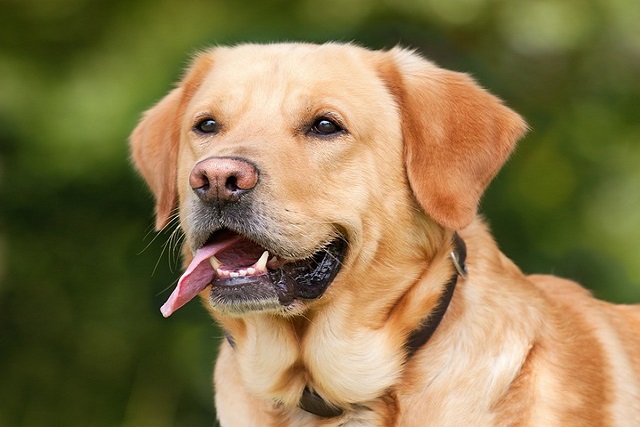
Let’s set the scene: It’s a sweltering Phoenix afternoon—105°F outside—and you rushed your 2-year-old Lab mix, Cooper, on a quick walk to “get it over with.”

Let’s get real: You’re in your Miami apartment, watching your 3-year-old Corgi, Loki, struggle to climb the stairs to your second-floor unit.
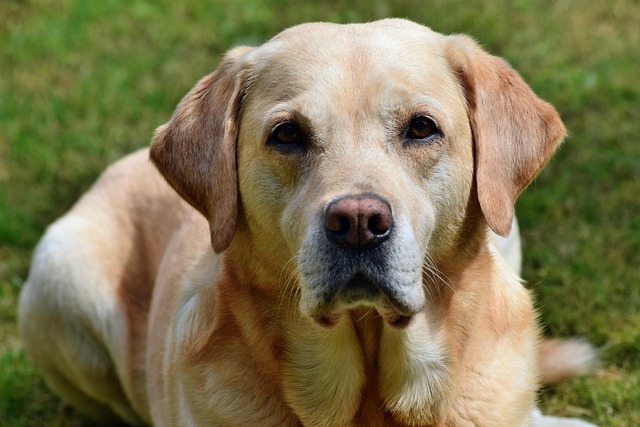
Many dog owners brush off occasional scratching as just “dog behavior,” but persistent itching often signals something more—like a food allergy.

You might first notice your dog scratching more than usual—chewing at their paws until the fur looks thin, or rubbing their face against the couch nonstop.

Let’s be real: You’re standing in your Chicago apartment, watching your 3-year-old Beagle, Max, huff and puff just to climb onto the couch.