
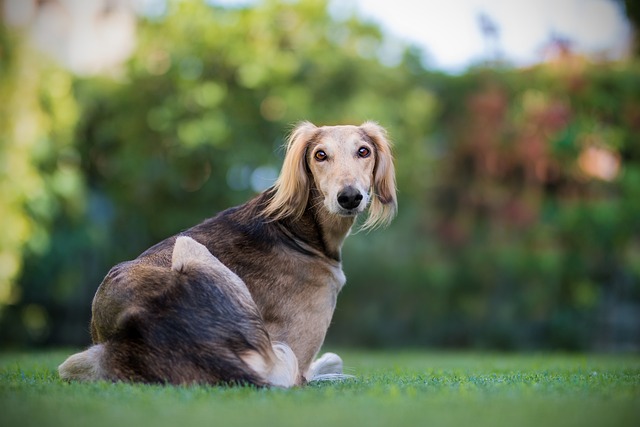
How do i train my dog to be obedient?
Watching your dog dart across the park ignoring your calls isn’t just frustrating—it can put them at risk near busy streets or public spaces.
That puppy eyeing the agility tunnel might melt your heart, but starting too soon risks lifelong harm. The hard truth? Most dogs aren’t physically ready until 18–24 months—when growth plates fully seal. Giant breeds like Great Danes may need 30 months. Ignoring this isn’t just risky; in Germany or Sweden, forcing immature dogs into high-impact sports could breach animal welfare laws, inviting fines or legal action. Puppy bones are soft, and repetitive jumps stress vulnerable growth plates, increasing orthopedic injury risks fourfold. Breeds like Dachshunds face spinal damage, while brachycephalics (Bulldogs, Pugs) risk respiratory collapse. Even energetic Border Collies shouldn’t jump before 18 months—studies link early impact to hip dysplasia.
The solution? Foundation training. From 8–12 weeks, European clubs (notably in Finland and the Netherlands) focus on safe pre-agility skills: building focus with treat puzzles, teaching directional cues on flat ground ("left/right"), and acclimating to low, stable planks—never jumps. Urban U.S. trainers call this "flatwork," emphasizing impulse control near distractions. This builds confidence and teamwork while waiting for skeletal maturity. Breed matters intensely: a Jack Russell’s plates close around 12 months; a Labrador’s at 18. Scandinavian clubs mandate breed-specific assessments, and the UK Kennel Club requires vet clearance (including hip X-rays) before competition.
Critically, even at 18+ months, watch for red flags: hesitation on new surfaces, stiffness after rest, or stress signs like panting or avoidance. EU regulations (like France’s 2021 law) penalize trainers pushing anxious or painful dogs. Start jumps at ankle height only after vet approval, limit sessions to 10 minutes on grass/padded turf, and partner with force-free clubs (APDT-affiliated). For unsuitable breeds? Scent work or puzzle games offer safer enrichment.
Ultimately, agility rewards patience. Rushing for ribbons risks your dog’s health—but waiting builds resilient, joyful athletes. In a world where animal sports face increasing scrutiny, starting right isn’t just smart training; it’s your legal and ethical duty.
Watching your dog dart across the park ignoring your calls isn’t just frustrating—it can put them at risk near busy streets or public spaces.
New puppy owners often find themselves rushing to clean up accidents before they set in, and that’s where puppy pad training becomes a game-changer.
If you've noticed your dog's waistline disappearing and your veterinarian has mentioned those few extra pounds, your first instinct might be to simply reduce the amount of food in their bowl.

Training a dog to use a designated spot indoors isn’t as daunting as many new owners fear, but it does take consistency and an understanding of your pet’s needs.
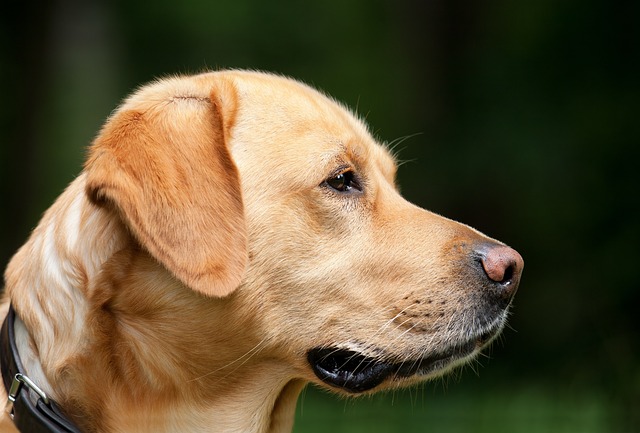
That moment of dread on a walk is all too familiar for many new dog owners. You see another dog approaching down the sidewalk of your neighborhood
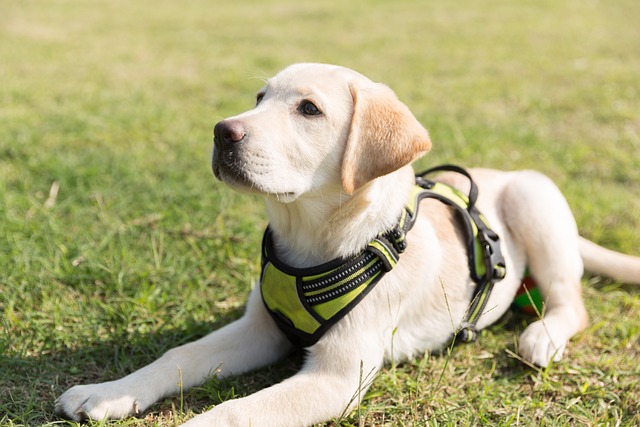
If the sight of another dog on your neighborhood walk makes your heart sink as your own dog erupts into a frenzy of barking and lunging, you're not alone.