

How do i train my dog to be obedient?
Watching your dog dart across the park ignoring your calls isn’t just frustrating—it can put them at risk near busy streets or public spaces.
Watching a tiny puppy stumble around the house, curiosity shining in their eyes, it’s easy to wonder when the chaos of accidents will ease up. New owners often fixate on a magic number, but house training isn’t about hitting a specific age—it’s about matching the process to your puppy’s growing ability to control their bladder and bowels. Most puppies start showing signs they’re ready between 8 and 12 weeks old, right around when they leave their litter and join your home. Before that, their little bodies simply can’t hold it; a 6-week-old pup might need to go every 20 minutes, making consistent training all but impossible.
Timing matters, but so does your approach. Starting too early—pushing a 7-week-old to “hold it” longer than their bladder allows—only leads to frustration for both of you. Those tiny accidents aren’t defiance; they’re biology. Wait until they can go 30 to 60 minutes between potty breaks, a milestone that usually clicks in by 8 weeks. Even then, keep sessions short and positive. Take them out first thing in the morning, after naps, meals, and playtime—those are prime times they’ll need to go. When they do their business outside, cheer loudly and offer a tiny treat. That excitement tells them, “This is exactly what I should do,” planting the seed that going in the right spot brings good things.
 Rushing the process because you think they “should” be trained by 6 months is a mistake. Small breeds often take longer than larger ones—their bladders are tinier, after all. A Chihuahua puppy might not master it until 8 or 9 months, while a Labrador could get the hang of it by 4 months. Comparing your pup to a friend’s dog only adds stress, and stress slows learning. If accidents happen past the “average” age, don’t panic. Keep sticking to the routine: same potty spots, same rewards, same calm cleanup when things go wrong (skip scolding—they won’t connect it to the accident hours later).
Ignoring their signals is another misstep. By 10 weeks, most puppies start giving clues they need to go: circling, sniffing the floor, or darting toward the door. Missing those hints—too busy scrolling your phone or finishing a chore—means more messes, and messes teach them that going inside is “normal.” Instead, when you see that telltale circle, scoop them up gently and head to their designated spot (whether that’s the yard or a puppy pad). Over time, they’ll learn to associate that action with relief, and soon they’ll be nudging your hand or standing by the door themselves.
Outdoor training means keeping an eye on local rules, too. Many areas require leashes in public spaces, even for puppies, so get them used to a lightweight leash early—fussing with a tangled lead while they’re mid-urgency defeats the purpose. And always clean up after them; not only is it polite, but in most places, it’s the law. Those small acts of responsibility make the process smoother, turning each trip outside into a chance to bond, not just a chore.
There’s no finish line carved in stone. Some puppies nail it by 4 months; others take 6 months or more, especially if they’re a small breed with a tiny bladder. What matters most is starting when their bodies are ready, staying patient, and celebrating the small wins—a successful trip outside, a deliberate nudge to the door. Before you know it, those midnight potty runs will fade, replaced by a dog who knows exactly where to go.
Watching your dog dart across the park ignoring your calls isn’t just frustrating—it can put them at risk near busy streets or public spaces.

New puppy owners often find themselves rushing to clean up accidents before they set in, and that’s where puppy pad training becomes a game-changer.

If you've noticed your dog's waistline disappearing and your veterinarian has mentioned those few extra pounds, your first instinct might be to simply reduce the amount of food in their bowl.

Training a dog to use a designated spot indoors isn’t as daunting as many new owners fear, but it does take consistency and an understanding of your pet’s needs.

That moment of dread on a walk is all too familiar for many new dog owners. You see another dog approaching down the sidewalk of your neighborhood
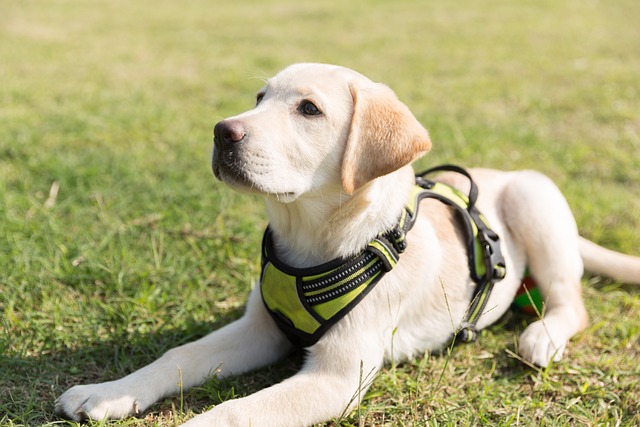
If the sight of another dog on your neighborhood walk makes your heart sink as your own dog erupts into a frenzy of barking and lunging, you're not alone.