

How can I tell if my dog's heatstroke is serious
Let’s be real: It’s a sticky August morning in Los Angeles, and you took your 2-year-old Golden Retriever, Max, for a walk a little later than usual
When the Border Collie runs towards us with a vigorous pace and a bright light in its eyes, it is hard not to love it. With their super high IQ and excellent athletic ability, they have become the favorites of many pet lovers. However, even such a nearly perfect dog breed is bound to have some bad habits that are a headache. Behind these habits, there are not only their innate nature, but also closely related to factors such as living environment and owner guidance. Understanding these bad habits is not to be picky about them, but to help these lovely fur children better integrate into human life in a more scientific way, so that the owner and them can get along more harmoniously and warmly.
Border Collies are energetic. If the amount of exercise is not satisfied, destructive behavior will occur frequently. They are born with strong sports genes. As excellent shepherd dogs in the past, they need to run and work for a long time every day to release energy. In a family environment, if the owner cannot guarantee more than 2-3 hours of high-intensity exercise every day, the excess energy will make them restless. Therefore, the sofa, shoes, curtains and other items in the house may become "victims" of their energy release.
Overly strong herding instincts can also lead to some behaviors that bother the owner. Border Collies need to drive and control the flock when herding. This nature makes them try to "herd" other pets in the house, or even children, in daily life. When they see a kitten walking around the room or a child running in the living room, they may rush over and try to "return it" by barking, biting the heels, etc. Although Border Collies have no malicious intent, this behavior will not only scare other pets, but may also scare children. Moreover, when encountering other animals or pedestrians outdoors, their herding instincts may also be stimulated, and they may chase and bark, which will not only cause trouble to others, but may also put Border Collies in danger.
 The high intelligence of Border Collies sometimes turns into stubbornness and stubbornness. They have their own judgment on instructions, and if they feel that the current task is boring or does not conform to their "ideas", they may choose to ignore the owner's orders. For example, during training, when they have mastered a skill, they may show a perfunctory attitude and no longer cooperate as actively as they did at the beginning. Or when playing, once their attention is attracted, even if the owner calls loudly, they may pretend not to hear and continue to immerse themselves in their own world. This kind of "little willfulness" often makes the owner laugh and cry. It is obviously the intelligence that they are proud of, but sometimes it becomes an obstacle to training and management.
Separation anxiety is also a common problem for border collies. They have a deep emotional dependence on their owners. When the owner leaves home, the strong sense of uneasiness will cause them to bark excessively and destroy the house. They will call the owner by barking, trying to get the owner to come back to them; and destroying the house is because the inner anxiety and fear have nowhere to be released. Some border collies even have a loss of appetite and apathy due to separation anxiety. When the owner returns home and sees the tired appearance of the border collie due to anxiety, his heart is full of guilt and heartache. They accompany us with their lifelong loyalty, but the short separation makes them so painful, which also makes the owner pay more attention to alleviating their separation anxiety and giving them more sense of security.
Although Border Collies have these bad habits, each Border Collie is a unique treasure in the owner's heart. Behind these habits are their unique nature and emotional expressions. As owners, we should not blindly blame them, but use scientific training methods and sufficient patience with an understanding and tolerant attitude to help them correct their bad habits. In this process, our relationship with Border Collies will become deeper. When we see that they, who used to be naughty, gradually become well-behaved and sensible, and can get along with us in harmony, all our efforts will turn into full happiness and sense of accomplishment.
Let’s be real: It’s a sticky August morning in Los Angeles, and you took your 2-year-old Golden Retriever, Max, for a walk a little later than usual

You're enjoying a summer afternoon at the park when you notice your dog has stopped panting and appears disoriented - their gums are bright red

Let’s paint the picture: You’re in your Denver apartment, watching your 4-year-old Boston Terrier, Ruby, plop down mid-play session with her favorite toy

Many dog owners notice their pets nails seem shorter after regular walks,but how much does this daily activity actually help?The answer depends on where you walk—concrete sidewalks or asphalt streets gently file nails as a dog's paws hit the ground
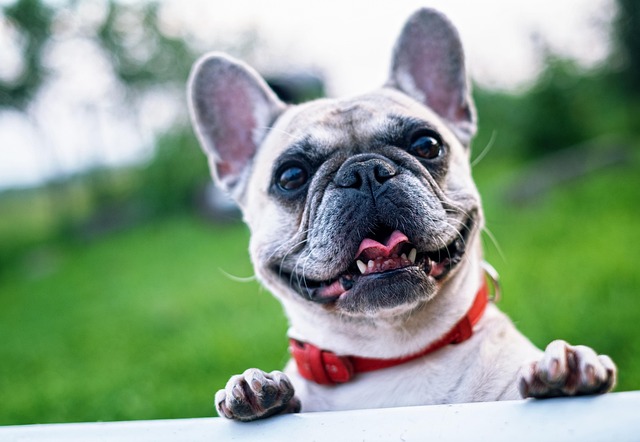
Most dog owners notice their pup scooting across the carpet at some point, but few connect it to impacted anal glands. These small sacs near a dog’s rectum secrete a scent for marking territory

Most vets agree that regular dog teeth cleaning is key to avoiding painful dental issues later. For healthy adult dogs, a professional cleaning at the vet’s office every 12 to 18 months usually works well.