

What is glaucoma in a dog?
You might notice your dog squinting more at mealtime or avoiding bright sunlight—these small changes could be early signs of a serious eye condition.
During the time spent with dogs, every look and every tail wag of theirs carries endless trust and dependence. However, when diseases approach quietly, especially silent renal failure, they may inadvertently threaten their lives and health. Dogs cannot speak and cannot tell their physical discomfort. They can only send distress signals to their owners through subtle changes. Understanding these early signs is not only the application of professional pet care knowledge, but also the embodiment of our deep love for our fur children, and the first line of defense to protect their health.
The dog's kidney is an important organ to maintain the normal functioning of the body. It undertakes key functions such as filtering blood, excreting metabolic waste, regulating electrolyte balance and maintaining blood pressure stability. When the kidneys fail, these functions are gradually damaged, and the body will have a series of abnormal reactions. Renal failure is divided into two types: acute and chronic. Although the pathogenesis is different, there are traces in the early stage. As long as the owner is careful enough, these danger signals can be captured.
One of the most easily observed early symptoms is the change in the amount of water a dog drinks and urinates. Healthy dogs drink relatively stable water and urinate regularly. But when the kidneys begin to fail, their ability to concentrate urine declines, and they are unable to recycle water normally, causing the dog to become thirsty frequently and drink a lot more water. A dog that originally only needed to drink a small amount of water a day may keep running to the water bowl, drinking water in big gulps, and even actively signaling to the owner that they need to replenish water. At the same time, the amount of urine will increase accordingly. The owner will find that the dog urinates more frequently than usual, and the color of the urine may become lighter. This is because the kidneys cannot effectively concentrate urine, which increases the water content in the urine. This seemingly normal "drink more water, urinate more" phenomenon is actually a distress signal from the kidneys, reminding the owner that it can no longer work properly.
 Loss of appetite is also a common manifestation of early renal failure in dogs. Impaired kidney function can cause toxins to accumulate in the body. These toxins irritate the stomach and intestines, affect digestion, and gradually reduce the dog's appetite. Dogs that were once passionate about food and excited when they saw the bowl of rice began to lose interest in food. Even their favorite snacks, they just smelled them and turned away. As the disease progresses, the loss of appetite will become more serious, and the dog may completely refuse to eat, resulting in gradual weight loss. Watching the once lively and greedy fur child becoming thinner and thinner, the owner is filled with heartache and worry, and this declining appetite is a strong proof that renal failure is eroding the dog's health.
In terms of behavior and mental state, dogs in the early stages of renal failure will also undergo obvious changes. They are no longer as energetic as before, but become lazy and sleepy, lying in the corner most of the time, losing interest in everything around them. Even if the owner calls their name and takes out their favorite toys, the response they get is just a weak head raise or a slight wag of the tail. This mental depression is not a simple "tantrum", but because the decline in kidney function leads to metabolic disorders and insufficient energy supply, making the dog feel exhausted. Some dogs may also become anxious and restless, constantly walking around, or frequently changing their resting positions. This is a helpless expression of their physical discomfort but inability to express it.
Observing the dog's mouth and breath can also reveal clues of renal failure. Because the toxins in the body cannot be discharged normally, the dog's breath will become extremely unpleasant, with a pungent smell similar to ammonia, which is the smell produced by the decomposition of metabolic waste such as urea in the mouth. At the same time, the dog's gums may become pale and lack the healthy light pink color. This is because the impaired kidney function affects the production of red blood cells, leading to anemia. Some dogs may also develop oral ulcers, and they will be more resistant to food because of the pain when eating, further aggravating the symptoms of loss of appetite.
In addition, dogs in the early stages of renal failure may also have other less obvious symptoms, such as the coat becoming rough and dull, losing its former softness; the body becomes easily tired, panting after a little exercise; the perception of the surrounding environment becomes dull and the reaction is no longer sensitive. These subtle changes, like the undercurrent hidden under the calm water, seem inconspicuous, but they indicate that the kidney function is gradually declining.
In the face of the early symptoms of renal failure that may occur in dogs, it is crucial for the owner to detect and pay attention to it in time. Once any abnormality is found in the dog, it should be taken to the pet hospital for examination as soon as possible. The veterinarian will accurately judge the dog's kidney function through professional means such as blood tests and urine analysis, and formulate a corresponding treatment plan. Early detection of renal failure, through timely treatment and scientific care, can effectively delay the progression of the disease, improve the quality of life of dogs, and allow them to continue to accompany us.
Every dog is an indispensable member of the family. They give us endless warmth and happiness with their lifelong loyalty and companionship. What we can do is to observe every change of them carefully and lend a helping hand in time when the disease comes. Understanding the early signs of dog renal failure is our affectionate response to this precious companionship. I hope that every owner can become the guardian of the dog's health, so that they can spend every beautiful day happily under the care of love.
You might notice your dog squinting more at mealtime or avoiding bright sunlight—these small changes could be early signs of a serious eye condition.
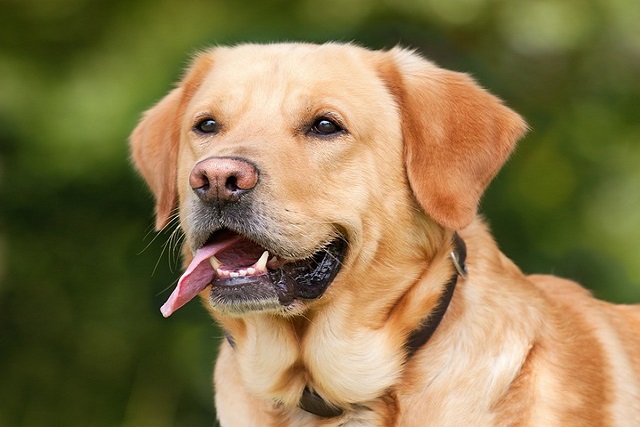
Let’s set the scene: It’s a sweltering Phoenix afternoon—105°F outside—and you rushed your 2-year-old Lab mix, Cooper, on a quick walk to “get it over with.”
Let’s get real: You’re in your Miami apartment, watching your 3-year-old Corgi, Loki, struggle to climb the stairs to your second-floor unit.
Many dog owners brush off occasional scratching as just “dog behavior,” but persistent itching often signals something more—like a food allergy.

You might first notice your dog scratching more than usual—chewing at their paws until the fur looks thin, or rubbing their face against the couch nonstop.
Let’s be real: You’re standing in your Chicago apartment, watching your 3-year-old Beagle, Max, huff and puff just to climb onto the couch.