
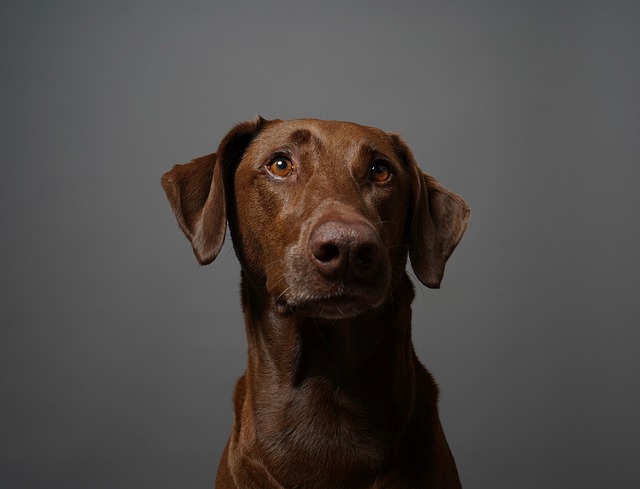
What is glaucoma in a dog?
You might notice your dog squinting more at mealtime or avoiding bright sunlight—these small changes could be early signs of a serious eye condition.
Elbow dysplasia often starts with small, easy-to-miss changes in how your dog moves. Maybe they hesitate before jumping up on the couch, or take a little longer to get up after napping. These aren’t just signs of a lazy pup—they could be the first whispers of something more. Pay attention when they walk; one front leg might seem a little wobbly, especially after playtime in the yard.
Dogs with early elbow issues often show stiffness after rest. You might notice them stretching their front legs more than usual when they stand, as if trying to “work out the kinks.” After a long walk or a game of fetch, that stiffness can turn into a slight limp. It usually fades once they warm up, but that back-and-forth is a red flag worth noting.
Large and giant breeds are more prone, but no pup is immune. Puppies growing quickly might start favoring one leg during play, or resist going up stairs they used to zoom up. It’s not stubbornness—their joints could be sending pain signals. If your dog suddenly avoids putting weight on a front paw when standing, don’t brush it off as a minor scrape.
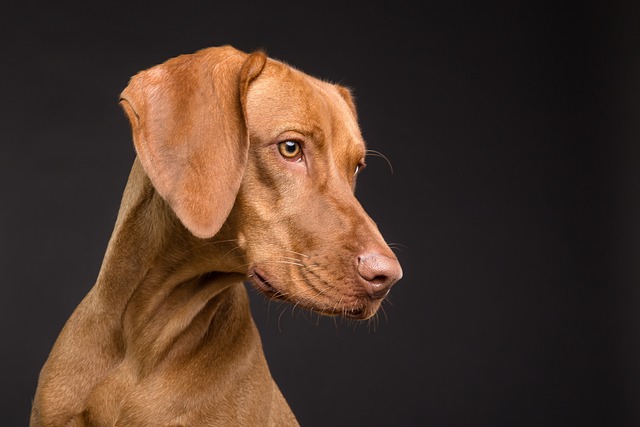 Restlessness at night can be another clue. Dogs in early stages might shift positions more, struggling to get comfortable. You might hear soft whimpers when they lie down, or they might avoid lying on their front legs altogether. These quiet signs are their way of telling you something’s off, even if they can’t put it into words.
When these signs pop up, reaching out to your vet quickly matters. Many areas require proper documentation of pet health issues, and early care can prevent long-term damage. Vets might suggest X-rays or mobility tests—simple steps that can make a huge difference. Remember, waiting for “it to get better” can let small issues turn into bigger, harder-to-fix problems.
Your dog relies on you to notice the little things. Those tiny hesitations, the extra stretches, the subtle limp after play—they’re all pieces of the puzzle. Catching elbow dysplasia early isn’t just about comfort; it’s about giving them the full, active life they deserve. After all, a happy dog is one who can run, jump, and cuddle without pain.
You might notice your dog squinting more at mealtime or avoiding bright sunlight—these small changes could be early signs of a serious eye condition.
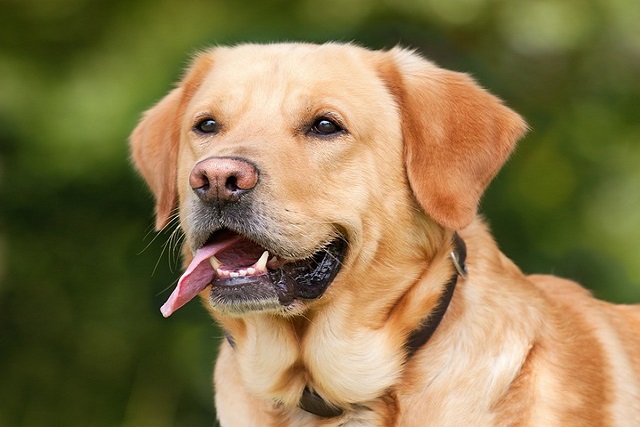
Let’s set the scene: It’s a sweltering Phoenix afternoon—105°F outside—and you rushed your 2-year-old Lab mix, Cooper, on a quick walk to “get it over with.”
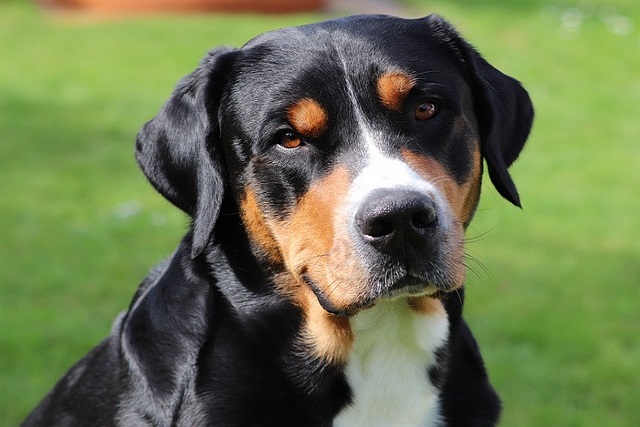
Let’s get real: You’re in your Miami apartment, watching your 3-year-old Corgi, Loki, struggle to climb the stairs to your second-floor unit.
Many dog owners brush off occasional scratching as just “dog behavior,” but persistent itching often signals something more—like a food allergy.
You might first notice your dog scratching more than usual—chewing at their paws until the fur looks thin, or rubbing their face against the couch nonstop.
Let’s be real: You’re standing in your Chicago apartment, watching your 3-year-old Beagle, Max, huff and puff just to climb onto the couch.