
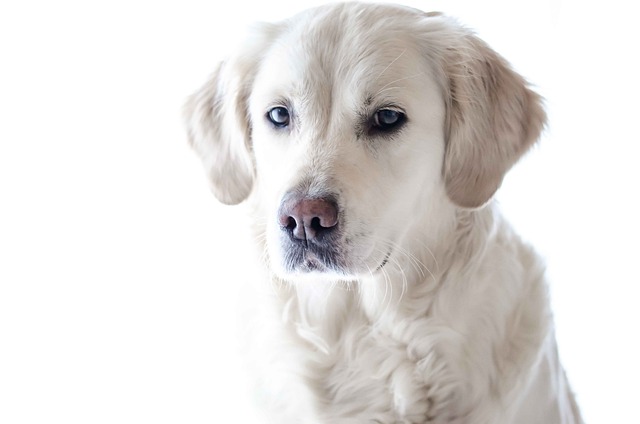
How can I tell if my dog's heatstroke is serious
Let’s be real: It’s a sticky August morning in Los Angeles, and you took your 2-year-old Golden Retriever, Max, for a walk a little later than usual
When we happily watch our dogs running and playing at home and enjoying the joyful time with them, a lurking disease - hip dysplasia - may be threatening the health of our dogs. This is a genetic disease that commonly affects medium and large dogs, and even some small dogs can suffer from it. It is like a silent "thief" that stealthily steals the vitality and health of the dogs without us realizing it. Understanding the initial symptoms of hip dysplasia in dogs becomes the first line of defense for us to protect their health. Every captured subtle symptom is filled with our deep love and concern for the dogs. We eagerly hope to detect any signs of the disease in the early stage and make the dogs suffer less.
Hip dysplasia in dogs essentially means that there are abnormalities in the growth and development of the hip joint, resulting in the acetabulum and the femoral head not fitting properly, and the joint stability decreases. In the early stage of the disease, the most observable symptom is the change in gait. Dogs that used to have a light and free gait start to show abnormal walking postures. They may have a slight limp when walking, especially after a long period of exercise or running, and this limp is more obvious. Just like a person who used to walk steadily suddenly limps, it's easy to tell that something is wrong. Some dogs may exhibit a "bunny hop" gait, that is, both hind legs jump forward at the same time instead of stepping alternately as normal. This is because they try to reduce the pressure on the hip joint and relieve the pain in this way. When we find that the dog that used to be lively and active no longer walks naturally, a sense of unease surges in our hearts, which is our deep concern for its health condition.
The decrease in activity level is also an important sign in the early stage of hip dysplasia in dogs. Dogs that were once enthusiastic about playing and excited at the thought of going out start to be less active in sports. They no longer chase toys or run and play as actively as before. Even simple actions like going up and down the stairs or jumping on the sofa become cautious, and they hesitate to do them. When the owner calls them to play, they may just wag their tails symbolically but are reluctant to get up and move. Watching the dog lose its former vitality and curl up in the corner, our hearts are filled with distress. We desperately want to know what's wrong with it and share its discomfort. This is because the pain in the hip joint makes the dog instinctively reduce its activity to avoid further irritating the damaged joint.
When resting, attentive owners may also notice that the dog's posture is somewhat special. They try to avoid putting too much pressure on their hind legs. They often stretch their hind legs to one side of their bodies or frequently change their lying postures, finding it difficult to get into a comfortable state. Sometimes, dogs may unconsciously lick or bite their hip joint area, which is a manifestation of their attempt to relieve the pain in this way. When we see the dog making these abnormal movements, a feeling of distress wells up in our hearts, and we wish we could immediately relieve its pain. We gently stroke it, hoping to give it some comfort, and at the same time, we secretly decide in our hearts to figure out what's wrong with it.
As the disease progresses, the mild symptoms in the early stage gradually worsen. The dog may experience muscle atrophy, especially in the hind legs. Due to the decrease in activity and the influence of pain, the muscles do not get normal exercise and become thinner. The hind legs that used to be full and strong gradually lose their former strength. Moreover, when the hip joint area is touched, the dog will show obvious resistance and may even whine. This is because the joint is very sensitive at this time, and even a slight touch can cause pain. When we comb the dog's fur or gently touch it in daily life and feel its resistance to the hip joint area, a sense of distress and self-blame arises. We regret not discovering the problem earlier and making it suffer less.
The initial symptoms of hip dysplasia in dogs are subtle, but as long as we observe carefully, we can detect them in a timely manner. Every abnormal gait, every resistance to exercise, and every special resting posture are distress signals sent by the dog to us. As owners, we should be the guardians of their health, using our keen observation and full of love to capture these initial symptoms. Once we find that the dog shows signs of hip dysplasia, we should take it to a pet hospital for professional examination, such as an X-ray examination, to confirm the diagnosis and formulate an appropriate treatment plan. In this "race" against the disease, the earlier we find the symptoms, the less pain the dog will suffer. Because in our hearts, the dog has long been an indispensable member of the family, and their health and happiness are worthy of our attention to every detail with all our patience and professional knowledge, and accompanying them through every healthy and wonderful day.
Let’s be real: It’s a sticky August morning in Los Angeles, and you took your 2-year-old Golden Retriever, Max, for a walk a little later than usual
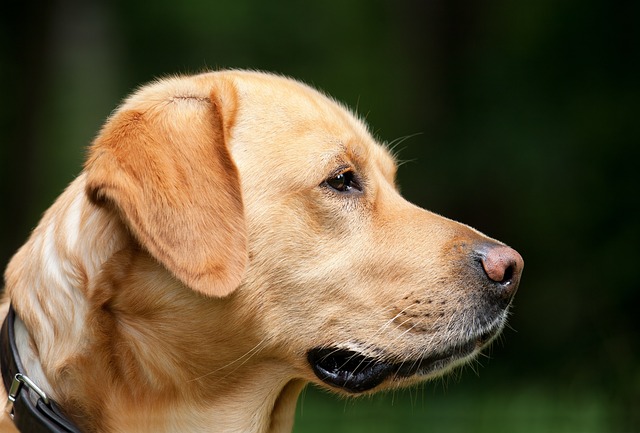
You're enjoying a summer afternoon at the park when you notice your dog has stopped panting and appears disoriented - their gums are bright red
Let’s paint the picture: You’re in your Denver apartment, watching your 4-year-old Boston Terrier, Ruby, plop down mid-play session with her favorite toy

Many dog owners notice their pets nails seem shorter after regular walks,but how much does this daily activity actually help?The answer depends on where you walk—concrete sidewalks or asphalt streets gently file nails as a dog's paws hit the ground
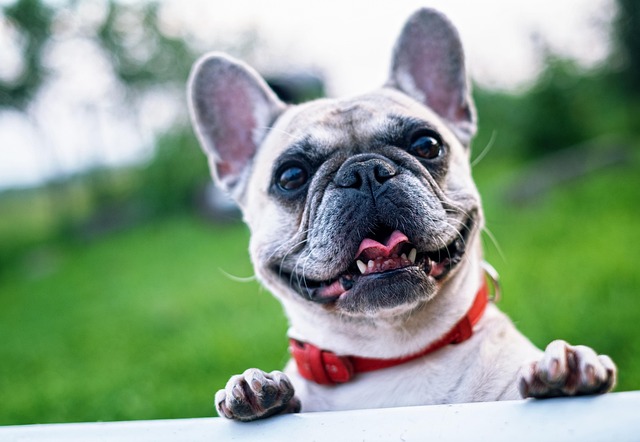
Most dog owners notice their pup scooting across the carpet at some point, but few connect it to impacted anal glands. These small sacs near a dog’s rectum secrete a scent for marking territory
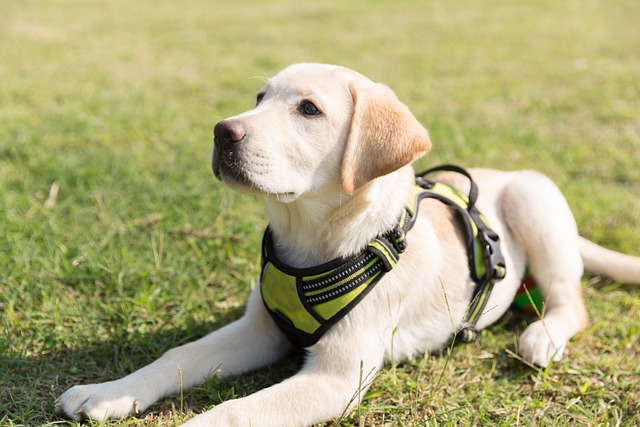
Most vets agree that regular dog teeth cleaning is key to avoiding painful dental issues later. For healthy adult dogs, a professional cleaning at the vet’s office every 12 to 18 months usually works well.