
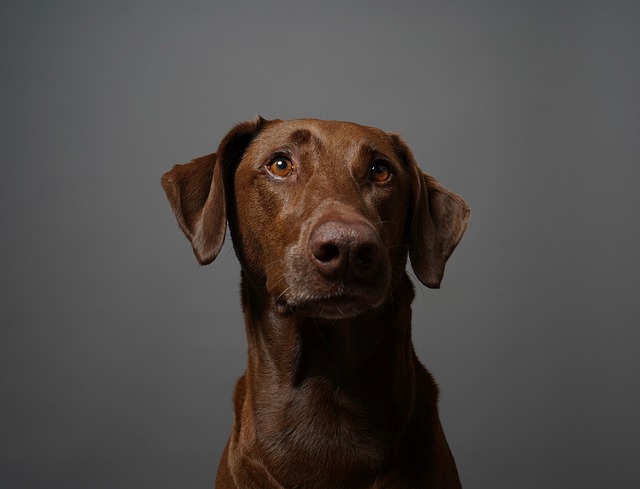
What is glaucoma in a dog?
You might notice your dog squinting more at mealtime or avoiding bright sunlight—these small changes could be early signs of a serious eye condition.
Your morning walk usually ends with your dog tugging excitedly at their leash to get back home for breakfast—but today, they hang back, tail low, barely lifting their paws. You might think it’s just the cool weather slowing them down, but small shifts in energy or behavior can be the first hints of canine influenza.
Many dog owners first notice their pups acting off—maybe skipping a favorite treat or lagging on walks—before more obvious signs pop up. Canine influenza often starts with a low-grade fever, though it’s easy to miss if your dog still seems playful. Within a day or two, most develop a dry, hacking cough that might sound like they’re trying to clear something stuck in their throat. Some also get a runny nose, with discharge that can shift from clear to yellow or green as the infection progresses.
Young puppies, senior dogs, and those with weak immune systems are hit hardest, sometimes showing more severe symptoms like trouble breathing or lethargy. If your dog seems too tired to stand up or refuses water for more than 12 hours, it’s time to call the vet right away. Keep in mind that canine influenza spreads easily in places dogs gather—dog parks, groomers, or boarding facilities—so even a quick trip can put them at risk. Wiping their paws and coat with a pet-safe disinfectant after these outings can help lower the chance of exposure.
 In many areas, local laws don’t require canine influenza vaccines, but some dog care businesses mandate them before your pup can visit. Checking with your groomer or boarding facility ahead of time can save you a last-minute hassle. It’s also smart to keep records of your dog’s vaccinations handy—some cities ask for proof if there’s an outbreak in the community. Following these rules isn’t just about compliance; it’s a way to protect other dogs and keep your own pet healthy.
Vets can test for canine influenza using a simple swab, and treatment usually involves rest, fluids, and sometimes antiviral meds for severe cases. Never give your dog human cold or flu drugs—many contain ingredients that are toxic to them, like acetaminophen or ibuprofen. Instead, create a cozy spot for them to recover, away from drafts, and offer small sips of water frequently to prevent dehydration.
Spotting the symptoms early makes a big difference in how quickly your dog gets better. A mild case might clear up in a week, but severe infections can take longer, especially without proper care. By knowing what to look for, keeping up with recommended precautions, and following local pet health rules, you can help your dog stay happy and flu-free.
You might notice your dog squinting more at mealtime or avoiding bright sunlight—these small changes could be early signs of a serious eye condition.
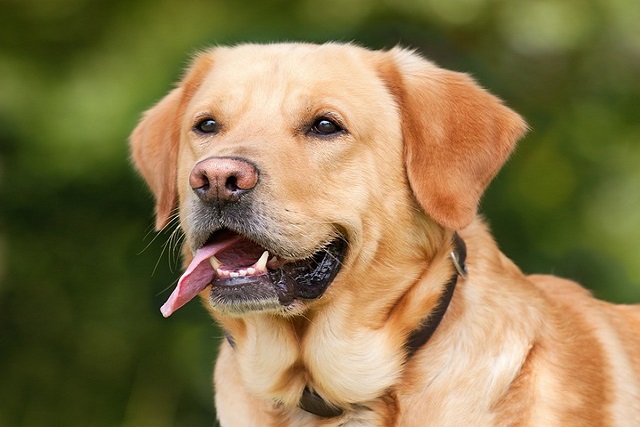
Let’s set the scene: It’s a sweltering Phoenix afternoon—105°F outside—and you rushed your 2-year-old Lab mix, Cooper, on a quick walk to “get it over with.”
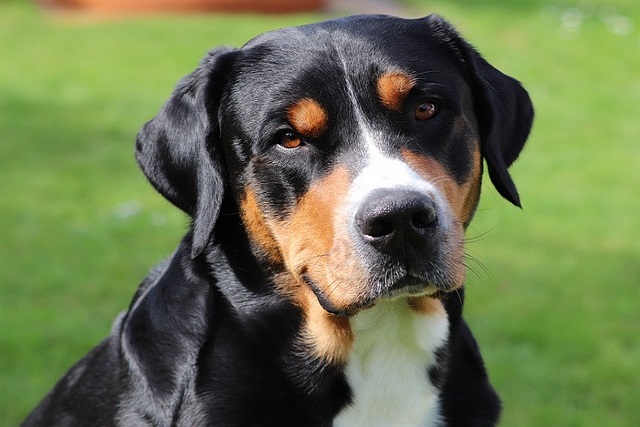
Let’s get real: You’re in your Miami apartment, watching your 3-year-old Corgi, Loki, struggle to climb the stairs to your second-floor unit.
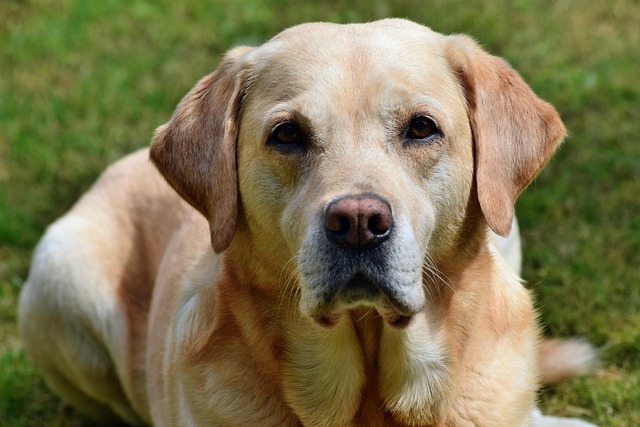
Many dog owners brush off occasional scratching as just “dog behavior,” but persistent itching often signals something more—like a food allergy.
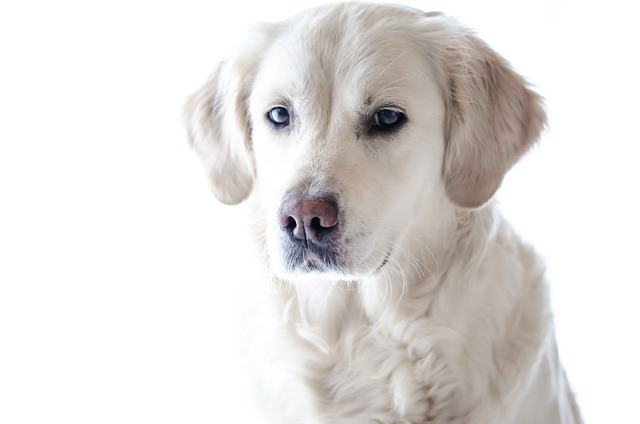
You might first notice your dog scratching more than usual—chewing at their paws until the fur looks thin, or rubbing their face against the couch nonstop.
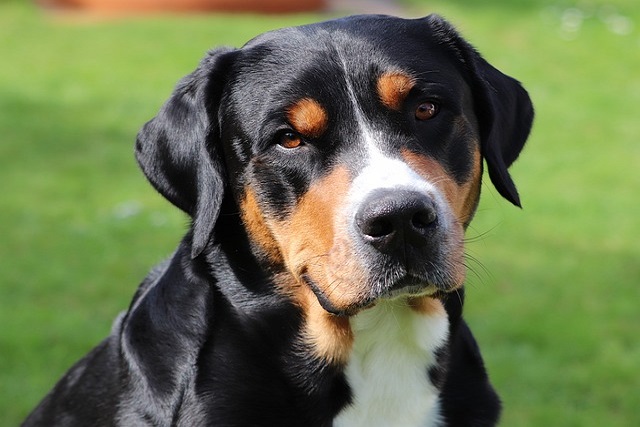
Let’s be real: You’re standing in your Chicago apartment, watching your 3-year-old Beagle, Max, huff and puff just to climb onto the couch.