

What is glaucoma in a dog?
You might notice your dog squinting more at mealtime or avoiding bright sunlight—these small changes could be early signs of a serious eye condition.
As a dog owner, few things tug at your heartstrings like seeing your furry friend in discomfort. While we’re vigilant about fleas and ticks, eye parasites often lurk in the shadows, ready to cause havoc. Understanding the telltale signs of dog eye diseases caused by parasites isn't just crucial for your pet’s well - being—it’s a legal responsibility in many regions. Let’s dig into what to watch for and why early detection matters.
The first noticeable symptom is often excessive tearing or discharge. You might notice your dog constantly wiping their face on the carpet or furniture, leaving behind streaks of sticky fluid. This isn't just a messy nuisance; it could indicate the presence of tiny invaders like the eyeworm, Thelazia callipaeda. In some areas, failing to address this promptly isn’t just cruel—it violates animal welfare regulations that mandate proper veterinary care for sick pets. What looks like simple eye gunk could be a sign of a parasite burrowing into the conjunctiva, causing inflammation and triggering your dog’s body to produce more tears to flush out the irritant.
Redness and swelling around the eyes are another major red flag. Picture your dog’s eyes looking like they’ve been through a round with a boxing glove—puffy, bloodshot, and clearly uncomfortable. This could be due to nematodes or protozoa taking up residence in the eye’s delicate tissues. In many localities, pet owners are legally required to maintain their dogs in good health, and ignoring such visible symptoms could land you in hot water. Beyond the legal implications, the discomfort for your dog is palpable. They might squint, blink rapidly, or even avoid bright lights, behaviors that mirror how we humans react when our eyes are irritated.
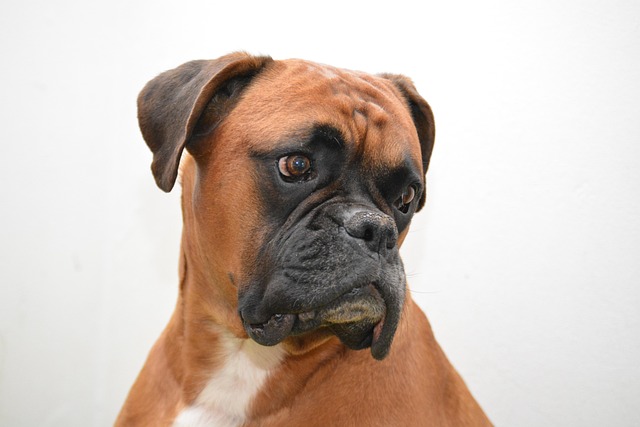 Cloudiness in the eye, which can make it look like there’s a foggy film over your dog’s iris, is a symptom that demands immediate attention. Parasites can cause damage to the cornea, leading to this cloudy appearance. It’s not just an aesthetic issue; it can severely impact your dog’s vision. Some areas have specific laws regarding the prevention of blindness in domestic animals, as it’s considered a form of neglect if not properly addressed. You might notice your dog bumping into furniture or being less sure - footed, behaviors that signal their world is becoming a blur.
Unusual behavior, such as excessive pawing at the eyes or rubbing the face against objects, can also indicate a parasitic eye problem. Dogs can’t tell us in words that they’re in pain, so these actions are their way of communicating distress. In many communities, there are animal cruelty laws that protect pets from self - harm caused by untreated medical conditions. By ignoring these signs, you risk not only your dog’s quality of life but also potential legal consequences. It’s easy to dismiss these behaviors as quirks, but they’re often the first cries for help from your four - legged companion.
If you suspect your dog has an eye parasite, don’t rely on DIY remedies. Over - the - counter treatments might seem convenient, but they can do more harm than good. In many places, selling or using unregulated veterinary products is illegal, and it’s essential to follow proper channels for diagnosis and treatment. Reach out to a licensed veterinarian who can conduct a thorough examination, which may include microscopic analysis of eye secretions to identify the specific parasite. Remember, different parasites require different medications, and only a professional can ensure the right course of treatment.
Prevention is just as important as treatment. Regular veterinary check - ups aren’t just a good idea; in some regions, they’re a legal obligation. Keep your dog away from stagnant water, where protozoan parasites like Toxoplasma gondii can thrive. Also, follow local leash laws and avoid areas with high wildlife activity, as contact with wild animals can increase the risk of parasite transmission. And always clean your dog’s bedding and toys regularly—good hygiene goes a long way in keeping parasites at bay.
In the world of dog ownership, knowledge is power. Recognizing the symptoms of dog eye disease with parasites can save your pet from unnecessary suffering and keep you on the right side of the law. Your dog depends on you to be their advocate, and being vigilant about their eye health is one of the most loving things you can do. So, the next time you notice something off about your dog’s eyes, don’t hesitate—take action, because their bright, healthy gaze is worth every effort.
You might notice your dog squinting more at mealtime or avoiding bright sunlight—these small changes could be early signs of a serious eye condition.

Let’s set the scene: It’s a sweltering Phoenix afternoon—105°F outside—and you rushed your 2-year-old Lab mix, Cooper, on a quick walk to “get it over with.”

Let’s get real: You’re in your Miami apartment, watching your 3-year-old Corgi, Loki, struggle to climb the stairs to your second-floor unit.

Many dog owners brush off occasional scratching as just “dog behavior,” but persistent itching often signals something more—like a food allergy.

You might first notice your dog scratching more than usual—chewing at their paws until the fur looks thin, or rubbing their face against the couch nonstop.

Let’s be real: You’re standing in your Chicago apartment, watching your 3-year-old Beagle, Max, huff and puff just to climb onto the couch.