
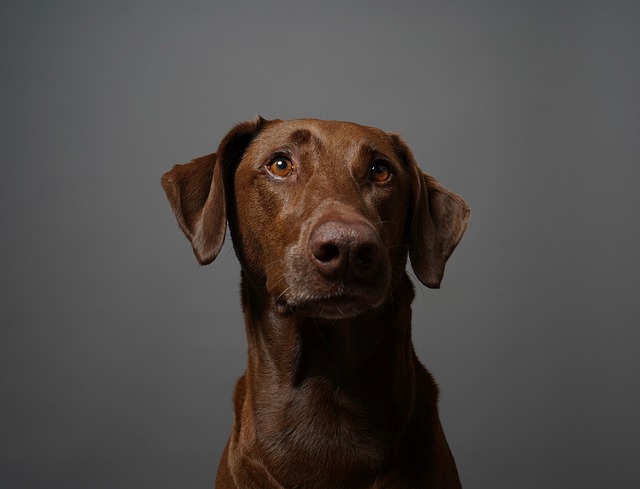
What is glaucoma in a dog?
You might notice your dog squinting more at mealtime or avoiding bright sunlight—these small changes could be early signs of a serious eye condition.
What breed of dog has the most eye problems? If you’re a new dog owner, chances are you’ve wondered this while scrolling through adoption photos of those squishy-faced pups at the local shelter. It turns out, certain breeds are more prone to eye issues, and understanding why can save you and your furry friend from unnecessary discomfort. Let’s break it down, with practical tips tailored to life in the U.S.
Take Bulldogs, for example. That adorable wrinkly face comes with a catch—their large, round eyes sit prominently, making them easy targets for scratches from their own loose skin. Last winter, my neighbor Lisa adopted a Bulldog named Tank. Within a month, she noticed he was squinting a lot during their morning walks in the park. The vet diagnosed him with corneal abrasion, a common issue in the breed because their eyes don’t sit as deeply in the socket. Pugs and Shih Tzus face similar struggles; their short snouts and folded skin often trap dirt, leading to conjunctivitis—that red, goopy irritation you might spot after a dusty hike. Cocker Spaniels, on the other hand, tend to develop cataracts earlier than many breeds, a genetic trait linked to their breeding history for hunting, where close-range vision was prioritized over long-term eye health.
 Why do these breeds top the list? It’s mostly about anatomy. Breeding for specific looks—like the flat face of a Boston Terrier or the large eyes of a Cavalier King Charles Spaniel—has altered their eye structure over generations. Their tear ducts might be too small to drain properly, leaving eyes moist and prone to infection. Genetic predispositions play a role too; a 2022 study from the University of California found that 30% of purebred Pugs carry the gene for glaucoma, a painful condition that can lead to blindness if untreated.
So, what can you do as a new owner? Start with daily checks. Make it part of your morning routine—while you’re refilling their water bowl, take 30 seconds to look at their eyes. They should be clear, not cloudy, with no thick discharge. If you see crustiness, gently wipe it away with a warm, damp cloth (avoid cotton balls, which can leave fibers). For breeds with folds, like Shar-Peis, use a soft brush to keep the skin around the eyes dry—moisture here is a breeding ground for bacteria. If your dog starts rubbing their eye with their paw or avoiding bright light, don’t wait. Schedule a vet visit; these could be signs of something serious, like a scratched cornea or high eye pressure.
Living with a dog in the U.S. means balancing care with community rules. Remember, every state requires rabies vaccines—check your local animal control website for booster schedules. When you’re out walking, always carry poop bags; in cities like Chicago, failing to clean up after your dog can result in fines up to $500. And never scold your dog for eye-related discomfort—if Tank squints because his eyes hurt, yelling will only make him anxious. Instead, reward calm behavior with a treat when you check his eyes, turning a chore into a bonding moment. In apartments, keep noise down during early mornings or late nights—your neighbors will appreciate it, and a relaxed dog is less likely to rub their eyes from stress.
Caring for a breed prone to eye issues isn’t just about treating problems—it’s about preventing them. With daily checks, gentle cleaning, and a little know-how about local rules, you’ll help your pup see the world clearly for years to come.
You might notice your dog squinting more at mealtime or avoiding bright sunlight—these small changes could be early signs of a serious eye condition.
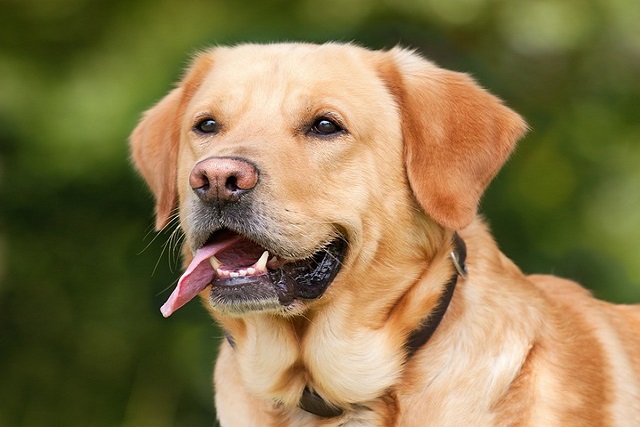
Let’s set the scene: It’s a sweltering Phoenix afternoon—105°F outside—and you rushed your 2-year-old Lab mix, Cooper, on a quick walk to “get it over with.”
Let’s get real: You’re in your Miami apartment, watching your 3-year-old Corgi, Loki, struggle to climb the stairs to your second-floor unit.
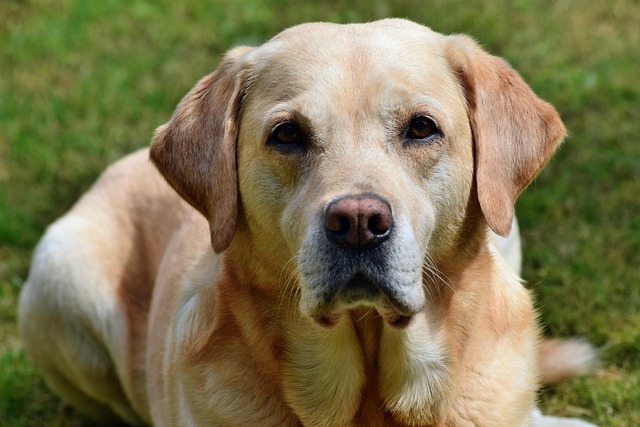
Many dog owners brush off occasional scratching as just “dog behavior,” but persistent itching often signals something more—like a food allergy.

You might first notice your dog scratching more than usual—chewing at their paws until the fur looks thin, or rubbing their face against the couch nonstop.
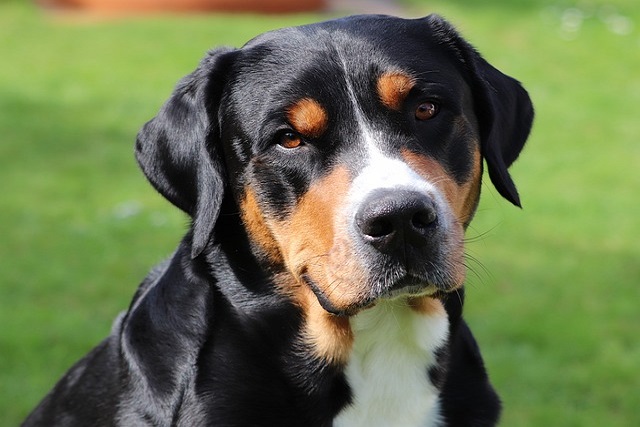
Let’s be real: You’re standing in your Chicago apartment, watching your 3-year-old Beagle, Max, huff and puff just to climb onto the couch.