
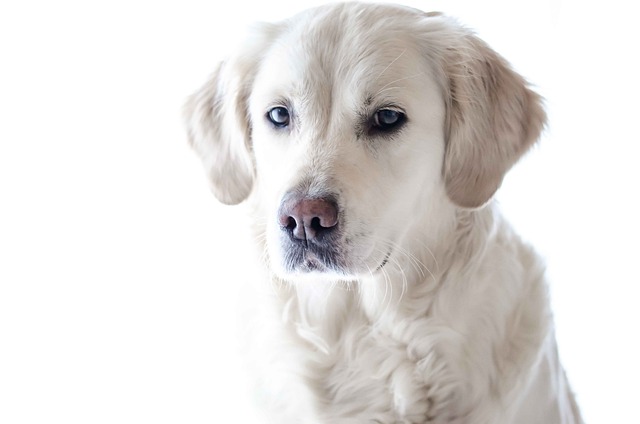
How can I tell if my dog's heatstroke is serious
Let’s be real: It’s a sticky August morning in Los Angeles, and you took your 2-year-old Golden Retriever, Max, for a walk a little later than usual
It’s a common scenario for new pup parents: you fill your dog’s water bowl, but they sniff it and walk away, leaving you wondering if there’s something else they’d prefer. While water is always the best choice for keeping your dog hydrated, there are safe alternatives to mix things up—if you know what to avoid. The key is remembering that dogs’ bodies aren’t built like ours; some drinks we love (like coffee or soda) can be toxic to them. Let’s break down what’s okay, what’s not, and how to keep your pup happy and hydrated.
First, let’s talk science: dogs need about an ounce of water per pound of body weight daily, depending on activity and weather. This keeps their kidneys working, their joints lubricated, and their energy up. But sometimes, a little variety can encourage a picky drinker. The safest swaps are low-sugar, no-additive options that mimic water’s hydrating properties without extra junk. For example, unsalted broth—think plain chicken or beef broth with no onions, garlic, or salt—can be a hit. My friend in Atlanta uses this for her Shih Tzu, who turns up his nose at water; she mixes 1 part broth with 3 parts water, and he laps it up. Just check the label: onions and garlic (common in store-bought broths) are toxic to dogs, so stick to homemade or “dog-safe” brands.
Another option is diluted coconut water—but only a splash. It has electrolytes, which can help after a long walk on a hot day, but too much sugar (yes, even natural sugar) can upset their stomach. A tablespoon mixed into their water bowl works for small breeds like Chihuahuas; larger dogs like Labradors can handle a bit more, but moderation is key. Pumpkin juice (100% pure, no added sugar) is another winner—my neighbor in Chicago freezes it into ice cubes for her husky, who loves crunching them on hot days. It’s hydrating and adds a little fiber, which is gentle on their tummies.
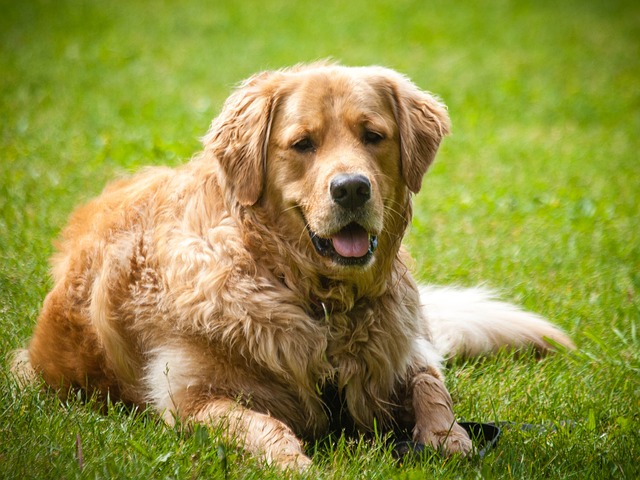
Now, what to skip? Alcohol, coffee, and tea are huge no-nos—they contain caffeine or ethanol, which can cause seizures or even death in dogs. Milk is tricky too: many adult dogs are lactose intolerant, leading to diarrhea. And avoid fruit juices with added sugar; a tiny bit of apple juice (diluted 5:1) is okay occasionally, but too much can lead to obesity. Remember, these are treats, not replacements—water should still make up 90% of their intake.
For apartment dwellers, keep water bowls clean (scrub daily!) to prevent slime buildup—picky pups hate dirty water. When you’re out walking in the neighborhood, carry a portable dog water bottle (they’re designed to let them lap without spilling). It’s not just polite—it ensures they don’t drink from puddles, which might have bacteria or chemicals. And don’t forget: along with keeping them hydrated, staying on top of vaccines (rabies is required by law in all U.S. states) and packing poop bags (fines for forgetting hit $200 in LA) are part of being a responsible owner.
At the end of the day, the goal is to keep your pup sipping happily. A little broth in their bowl now and then? That’s a win. But when in doubt, stick to good old H2O—it’s never let a dog down.
Let’s be real: It’s a sticky August morning in Los Angeles, and you took your 2-year-old Golden Retriever, Max, for a walk a little later than usual
You're enjoying a summer afternoon at the park when you notice your dog has stopped panting and appears disoriented - their gums are bright red
Let’s paint the picture: You’re in your Denver apartment, watching your 4-year-old Boston Terrier, Ruby, plop down mid-play session with her favorite toy

Many dog owners notice their pets nails seem shorter after regular walks,but how much does this daily activity actually help?The answer depends on where you walk—concrete sidewalks or asphalt streets gently file nails as a dog's paws hit the ground
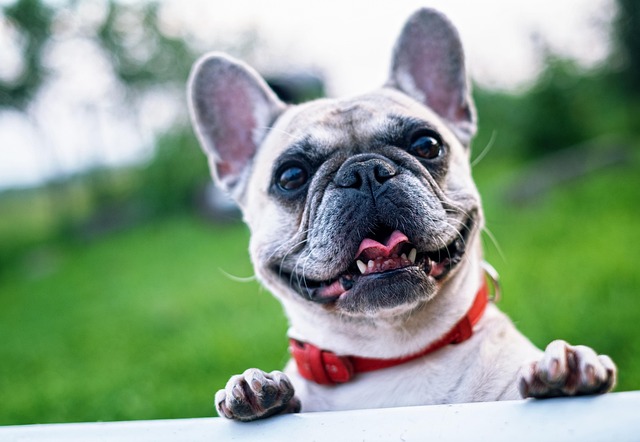
Most dog owners notice their pup scooting across the carpet at some point, but few connect it to impacted anal glands. These small sacs near a dog’s rectum secrete a scent for marking territory
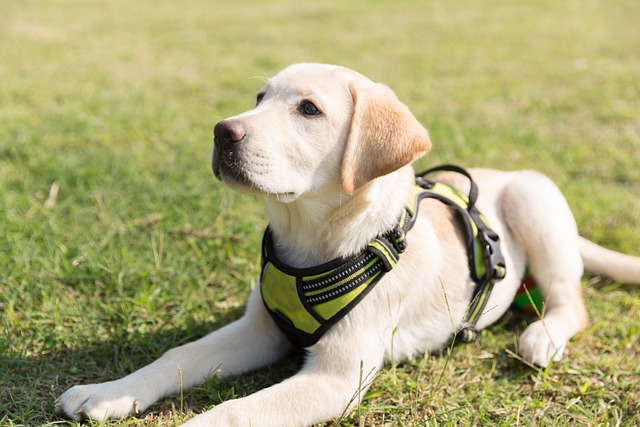
Most vets agree that regular dog teeth cleaning is key to avoiding painful dental issues later. For healthy adult dogs, a professional cleaning at the vet’s office every 12 to 18 months usually works well.