

How can I tell if my dog's heatstroke is serious
Let’s be real: It’s a sticky August morning in Los Angeles, and you took your 2-year-old Golden Retriever, Max, for a walk a little later than usual
If you've ever buried your face in your dog's fur only to recoil at an unexpected whiff, you're not alone. That distinctive "dog smell" is a natural part of canine life, but it doesn't have to dominate your home or your clothing. The good news? There are plenty of safe, effective, and even eco-friendly solutions that can keep your furry friend smelling fresh without compromising their health or the environment.
First things first: understanding the source of the odor. Dogs have scent glands in their skin, ears, and paws, and their fur traps everything from outdoor debris to natural body oils. Bacteria love feasting on these oils, creating that classic doggy aroma. Wet weather, allergies, or certain medical conditions can exacerbate the problem. Before reaching for a quick fix, rule out any underlying health issues with a vet check – especially if the smell is suddenly pungent or accompanied by itching or redness.
Now, let's talk solutions. Shampoo is the obvious choice, but not all formulas are created equal. Look for plant-based shampoos free of parabens, sulfates, and artificial fragrances. Many local pet stores stock brands that meet strict EU animal welfare standards or are cruelty-free certified by organizations like Leaping Bunny. Remember, over-bathing can strip your dog's coat of essential oils, so aim for once every 4-6 weeks unless your vet recommends otherwise.
 For between-baths freshness, consider waterless options. Dry shampoos, usually in powder or spray form, absorb excess oil and neutralize odors. Just make sure to choose products labeled "for dogs" – human dry shampoos can contain ingredients harmful if ingested. Some pet owners swear by DIY solutions like mixing baking soda with a few drops of pet-safe essential oils (think lavender or chamomile), but always spot-test first to avoid skin irritation.
Grooming tools can also be game-changers. A high-quality bristle brush removes dirt and distributes natural oils evenly, reducing buildup. Dental hygiene plays a huge role too – bad breath often contributes to overall body odor. Opt for vet-approved dental chews or toothpaste formulated for dogs, and brush their teeth at least 2-3 times a week. In many regions, neglecting your pet's oral health can lead to fines or even animal welfare investigations, so it's both a hygiene and legal imperative.
When it comes to topical treatments, be cautious. While products like scented bandanas or collars might seem cute, check local regulations regarding chemical additives. Some areas restrict the use of certain fragrances or insect repellents due to environmental concerns. Instead, try natural alternatives like spritzing a diluted apple cider vinegar solution (1 part vinegar to 3 parts water) on your dog's coat – it neutralizes odors without harmful chemicals. Just avoid the eyes, nose, and mouth.
For pet parents on the go, odor-absorbing accessories can be lifesavers. Microfiber towels are great for wiping muddy paws, and many car seat covers now come with built-in odor-blocking technology. If you're traveling with your dog, research pet-friendly accommodations that won't penalize you for a slightly scented companion. Some hotels even offer in-room pet spa services!
Finally, don't forget about your home environment. Wash your dog's bedding regularly in hot water with pet-safe detergent, and use air purifiers with HEPA filters to capture pet dander. In some urban areas, bylaws require landlords to disclose pet policies, so make sure your odor-control efforts align with your lease agreement.
Banishing dog smell isn't about masking it – it's about understanding your pet's needs and choosing solutions that prioritize their well-being and your own quality of life. With a little trial and error, you'll find the perfect routine to keep your four-legged friend smelling as sweet as they are. After all, cuddles are much more enjoyable when they come with a side of freshness!
Let’s be real: It’s a sticky August morning in Los Angeles, and you took your 2-year-old Golden Retriever, Max, for a walk a little later than usual
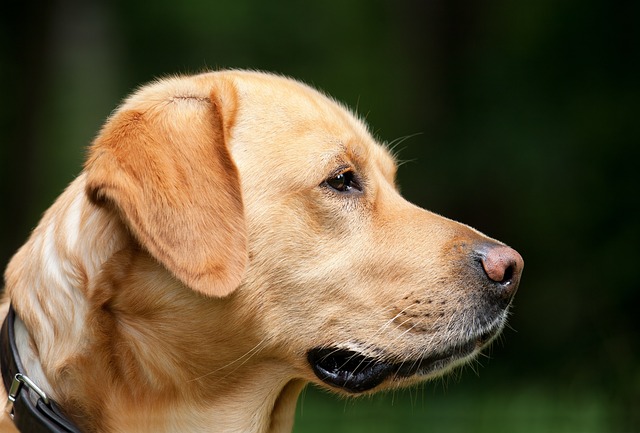
You're enjoying a summer afternoon at the park when you notice your dog has stopped panting and appears disoriented - their gums are bright red
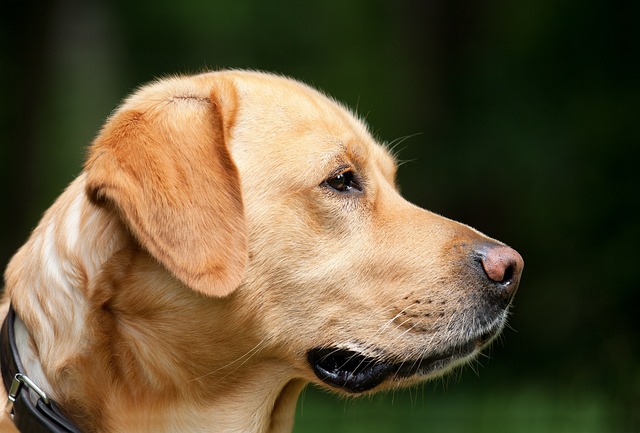
Let’s paint the picture: You’re in your Denver apartment, watching your 4-year-old Boston Terrier, Ruby, plop down mid-play session with her favorite toy

Many dog owners notice their pets nails seem shorter after regular walks,but how much does this daily activity actually help?The answer depends on where you walk—concrete sidewalks or asphalt streets gently file nails as a dog's paws hit the ground
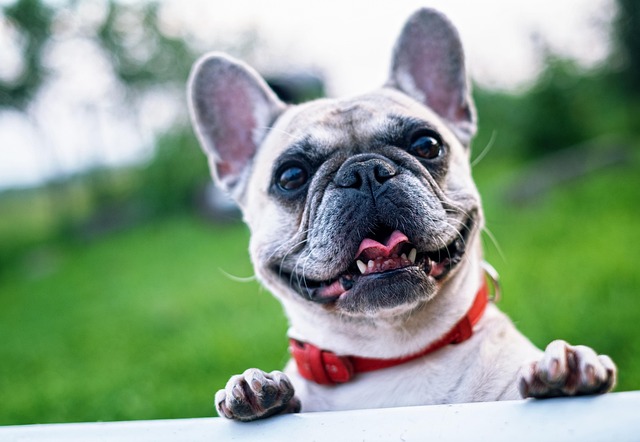
Most dog owners notice their pup scooting across the carpet at some point, but few connect it to impacted anal glands. These small sacs near a dog’s rectum secrete a scent for marking territory

Most vets agree that regular dog teeth cleaning is key to avoiding painful dental issues later. For healthy adult dogs, a professional cleaning at the vet’s office every 12 to 18 months usually works well.