

How can I tell if my dog's heatstroke is serious
Let’s be real: It’s a sticky August morning in Los Angeles, and you took your 2-year-old Golden Retriever, Max, for a walk a little later than usual
You’ve noticed your dog pushing around their food bowl, barely touching their kibble, and you’re left thinking: What can I use as a topper for my dog’s food? Whether you have a picky eater or just want to add some extra nutrition to your dog’s meals, finding the right topper can make a world of difference. Let’s explore some great options that are both safe and appealing for your furry friend.
One of the most popular and nutritious toppers is cooked lean meat. Chicken, turkey, or beef, when boiled or baked without any seasonings, can be a protein - packed addition. Protein is essential for your dog’s muscle growth, immune function, and overall health. Think of it like adding a steak to your own meal—it instantly makes it more enticing. Another excellent choice is canned fish, such as salmon or sardines. These are rich in omega - 3 fatty acids, which promote a healthy coat, reduce inflammation, and support brain function. Just make sure the fish is canned in water, not oil, and has no added salt. Vegetables can also be a great option. Cooked and mashed sweet potatoes, carrots, or green beans add fiber, vitamins, and a bit of natural sweetness to your dog’s food. They’re a healthy way to bulk up the meal and provide a variety of nutrients.
When using these toppers, there are some important steps to follow. First, always introduce new foods gradually. Start with a small amount, about a tablespoon for small dogs or two tablespoons for larger breeds, mixed in with your dog’s regular food. Monitor your dog closely for any signs of digestive upset, like vomiting, diarrhea, or changes in appetite, over the next few days. If all goes well, you can slowly increase the amount. Also, make sure to prepare the food properly. When cooking meat or vegetables, avoid using any spices, garlic, or onions, as these can be toxic to dogs. And if you’re using canned goods, check the labels carefully to ensure there are no harmful additives.

In the context of overall pet care in the U.S., a balanced diet with the right toppers is just one part of keeping your dog healthy. Regular vet check - ups are crucial, and ensuring your dog’s vaccinations, like rabies and distemper shots, are up - to - date is often required by law. A healthy dog is better able to digest and benefit from the added nutrients in toppers. For apartment dwellers, be mindful of any odors that might come from certain toppers, especially fish. Keeping your living space fresh is important, so consider using odor - absorbing products or opening windows for ventilation after feeding. And when you take your dog out for walks, always follow community etiquette. Keep them on a leash as required and clean up after them promptly. A well - fed dog that behaves well both at home and in public is a happy addition to any neighborhood.
Toppers can transform your dog’s mealtime from a chore into a treat. By choosing nutritious options, introducing them carefully, and maintaining good pet care practices, you’ll not only make your dog’s food more appealing but also contribute to their long - term health and happiness.
Let’s be real: It’s a sticky August morning in Los Angeles, and you took your 2-year-old Golden Retriever, Max, for a walk a little later than usual

You're enjoying a summer afternoon at the park when you notice your dog has stopped panting and appears disoriented - their gums are bright red

Let’s paint the picture: You’re in your Denver apartment, watching your 4-year-old Boston Terrier, Ruby, plop down mid-play session with her favorite toy

Many dog owners notice their pets nails seem shorter after regular walks,but how much does this daily activity actually help?The answer depends on where you walk—concrete sidewalks or asphalt streets gently file nails as a dog's paws hit the ground
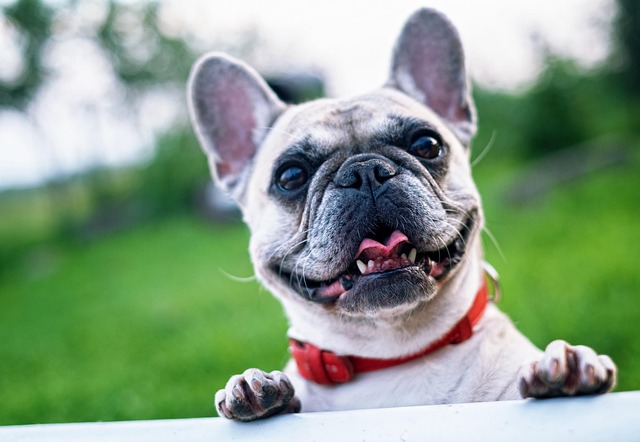
Most dog owners notice their pup scooting across the carpet at some point, but few connect it to impacted anal glands. These small sacs near a dog’s rectum secrete a scent for marking territory

Most vets agree that regular dog teeth cleaning is key to avoiding painful dental issues later. For healthy adult dogs, a professional cleaning at the vet’s office every 12 to 18 months usually works well.