

How can I tell if my dog's heatstroke is serious
Let’s be real: It’s a sticky August morning in Los Angeles, and you took your 2-year-old Golden Retriever, Max, for a walk a little later than usual
Imagine returning home on a frosty evening to find your dog curled up shivering, not in its usual playful spirit. Hypothermia, that silent threat lurking in cold conditions, can quickly turn a normal day into a veterinary emergency. Unraveling what triggers this dangerous drop in body temperature equips us to shield our beloved pets from harm.
Puppies with their boundless energy often forget their vulnerability. A romp through a dew-kissed lawn at dawn or an extended play session in an air-conditioned home can sap their warmth faster than expected. Senior dogs, too, face challenges—stiff joints might keep them from seeking out warm spots, leaving them exposed to the cold seeping through hard floors or drafts.
Certain breeds seem built for the couch rather than the cold. Those sleek Greyhounds lounging by the window during winter, or tiny Chihuahuas trembling in a drafty room, lack the natural insulation that huskies or Newfoundlands possess. Their thin coats and low body fat reserves mean they rely on us to layer them up before venturing outside or create cozy indoor havens.
 Weather conditions can turn treacherous in an instant. A surprise rain shower during an afternoon walk can soak through fur, chilling a dog's body as the wind whips through. Snowstorms aren't just fun for frolicking—prolonged exposure to icy flakes can lead to hypothermia, especially if paws aren't dried and warmed promptly. Even milder days with a persistent breeze can gradually lower a dog's core temperature.
Underlying health issues play a sneaky role. Dogs managing diabetes might find their body's heat regulation system compromised, while those with thyroid problems often struggle to generate enough warmth. Certain medications can also disrupt normal temperature control. It's a delicate balance, and regular vet check-ups become essential guardians against hidden risks.
Beyond health concerns lies legal responsibility. Local animal welfare laws don't tolerate negligence when it comes to protecting pets from extreme temperatures. Leaving a dog chained outdoors during a cold snap or in a frigid garage without proper shelter isn't just cruel—it's illegal in many areas. Understanding these regulations isn't just about avoiding fines; it's about ensuring our furry friends' legal right to safety.
Spotting hypothermia early can be a lifesaver. A dog's incessant shivering, slow movements, and glazed eyes are urgent warning signs. As the condition progresses, they might stumble or lose consciousness. Wrapping them in warm towels and using heated pads can buy time, but immediate veterinary attention remains non-negotiable.
Guarding our dogs against hypothermia is an ongoing labor of love. From investing in heated pet beds for winter nights to ensuring shaded resting spots in summer, every precaution matters. By staying vigilant, respecting legal requirements, and adapting care to our dogs' unique needs, we can keep those wagging tails happy and healthy through every season.
Let’s be real: It’s a sticky August morning in Los Angeles, and you took your 2-year-old Golden Retriever, Max, for a walk a little later than usual

You're enjoying a summer afternoon at the park when you notice your dog has stopped panting and appears disoriented - their gums are bright red

Let’s paint the picture: You’re in your Denver apartment, watching your 4-year-old Boston Terrier, Ruby, plop down mid-play session with her favorite toy

Many dog owners notice their pets nails seem shorter after regular walks,but how much does this daily activity actually help?The answer depends on where you walk—concrete sidewalks or asphalt streets gently file nails as a dog's paws hit the ground
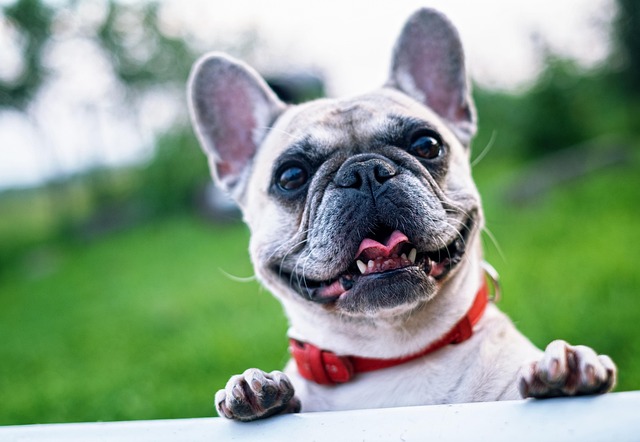
Most dog owners notice their pup scooting across the carpet at some point, but few connect it to impacted anal glands. These small sacs near a dog’s rectum secrete a scent for marking territory

Most vets agree that regular dog teeth cleaning is key to avoiding painful dental issues later. For healthy adult dogs, a professional cleaning at the vet’s office every 12 to 18 months usually works well.