
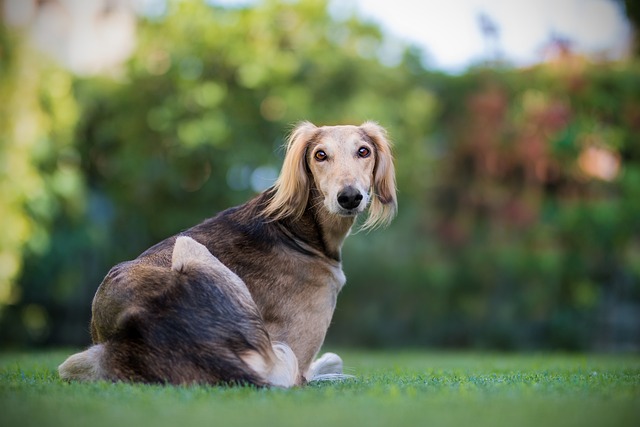
How do i train my dog to be obedient?
Watching your dog dart across the park ignoring your calls isn’t just frustrating—it can put them at risk near busy streets or public spaces.
You thought you had it all figured out. Your puppy was consistently using the pee pads or doing their business outside, and then—seemingly out of nowhere—you find a puddle by the front door. Before you feel frustrated, it’s crucial to understand that potty training regression in dogs is a common hurdle, not a personal failure or a sign of a "spiteful" pet. The causes are usually rooted in one of a few key areas. Medically, a urinary tract infection (UTI), parasites, or other underlying issues can make it physically difficult or painful for your dog to "hold it." Behaviorally, regression is often a response to stress or a change in routine. This could be a move to a new apartment, a new work schedule that leaves them alone longer, the arrival of a new baby or pet, or even loud construction noise nearby. Sometimes, it’s simply that the training wasn’t as cemented as you thought; adolescence brings a surge of independence and distraction that can make a teen dog "forget" their manners.
Your first and most important step is to rule out a medical cause with a visit to your veterinarian. This isn’t just good practice; it’s a fundamental part of responsible ownership. While you’re there, ensure your dog’s vaccinations, like rabies, are up-to-date—a legal requirement across the U.S. that protects both your pet and your community. Once your vet gives the all-clear, go back to Potty Training 101. This means treating your dog like a puppy again: frequent, scheduled trips outside, rewarding successful eliminations enthusiastically with high-value treats, and using a crate or a puppy-proofed area when you can’t supervise directly. This process requires immense patience and absolutely no punishment. Yelling, rubbing their nose in it, or any form of physical discipline is not only culturally unacceptable and potentially illegal in some areas, but it will also backfire spectacularly, damaging your bond and increasing your dog’s anxiety, which worsens the problem.

This mindful, positive approach extends to your living situation. In an apartment, accidents can quickly become a neighborly issue due to odor or noise if a frustrated dog is punished. Being a good neighbor means managing your dog’s needs proactively. Clean up accidents indoors immediately with an enzymatic cleaner to remove the scent entirely, preventing them from remarking the spot. And of course, on those outdoor potty breaks, you must always, without fail, clean up after your dog. Carrying poop bags is non-negotiable; it’s the law in most municipalities and a basic sign of respect for shared spaces. A dog who is anxious or stressed may also vocalize more, so addressing the root cause of their regression helps maintain peace in your building.
Overcoming potty training regression is less about fixing your dog and more about understanding the "why" behind the behavior. By responding with compassion, veterinary care, and a return to foundational training, you’re not just cleaning up a mess—you’re rebuilding your dog’s confidence and strengthening your partnership for the long term.
Watching your dog dart across the park ignoring your calls isn’t just frustrating—it can put them at risk near busy streets or public spaces.

New puppy owners often find themselves rushing to clean up accidents before they set in, and that’s where puppy pad training becomes a game-changer.
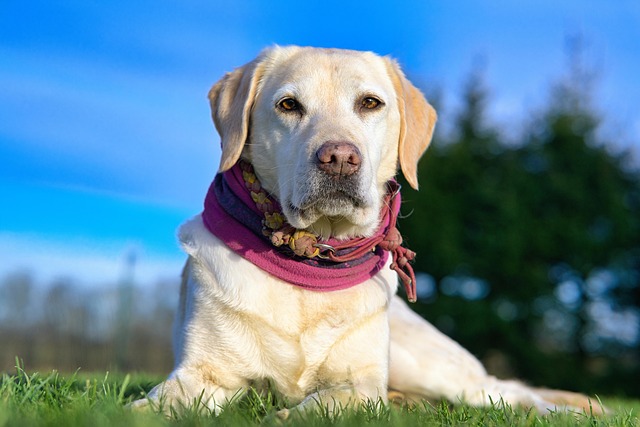
If you've noticed your dog's waistline disappearing and your veterinarian has mentioned those few extra pounds, your first instinct might be to simply reduce the amount of food in their bowl.

Training a dog to use a designated spot indoors isn’t as daunting as many new owners fear, but it does take consistency and an understanding of your pet’s needs.
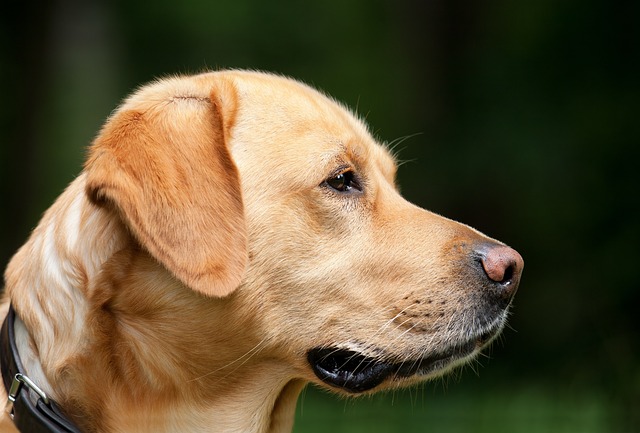
That moment of dread on a walk is all too familiar for many new dog owners. You see another dog approaching down the sidewalk of your neighborhood
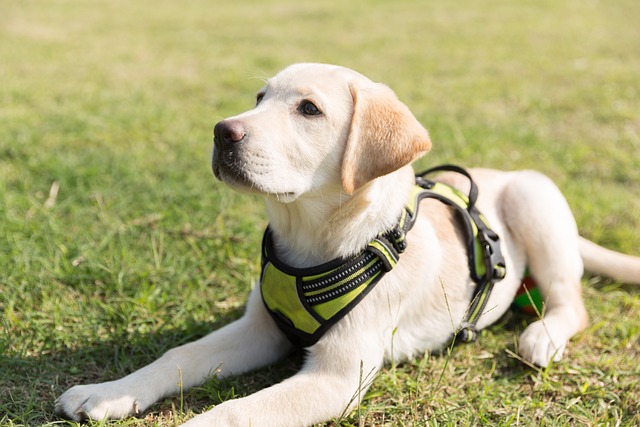
If the sight of another dog on your neighborhood walk makes your heart sink as your own dog erupts into a frenzy of barking and lunging, you're not alone.