
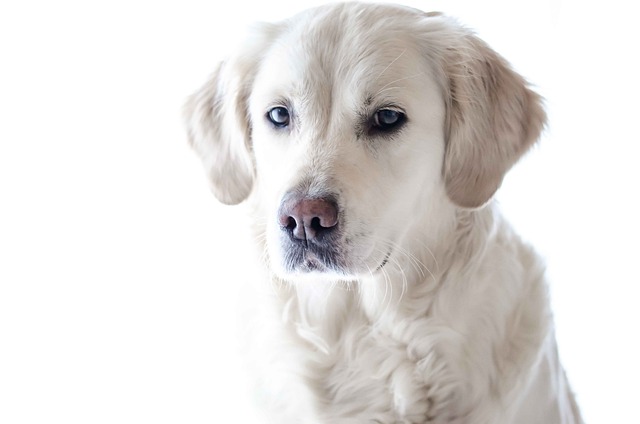
How can I tell if my dog's heatstroke is serious
Let’s be real: It’s a sticky August morning in Los Angeles, and you took your 2-year-old Golden Retriever, Max, for a walk a little later than usual
In the time we spend with dogs, we often feel the unconditional love and loyalty they give. However, when a dog suddenly bares its sharp teeth and emits a low growl at a person or an animal that steps into the territory it has identified, the familiar intimacy is instantly replaced by fear. Territorial aggression not only threatens the safety of others but also damages the originally harmonious relationship between us and the dog. Every dog lover doesn't want to see their dog being misunderstood because of its aggression and is eager to have an in-depth understanding of what exactly causes the dog's territorial aggression, so as to help them get rid of the troubles brought about by this behavior.
From an evolutionary perspective, the ancestors of dogs, wolves, are social animals with a strong sense of territory. They protect food resources, breeding spaces, and the safety of the group by marking their territory and driving away intruders. Although dogs have become human companion animals after a long period of domestication, this innate sense of territory is still deeply ingrained in their genes. When a dog considers a certain area, such as its home, doghouse, or even the space around its owner, as its territory, it will be vigilant against strangers and animals entering the territory. Once it deems the other party a threat, it will launch an attack.
The lack of socialization training is an important cause of a dog's territorial aggression. The puppy stage is the golden period for socialization training. If during this period, a dog doesn't have sufficient contact with different people and animals and doesn't learn how to get along harmoniously with the outside world, then it won't be able to correctly judge which behaviors are normal and which may pose a threat. When encountering a stranger or other animals entering the territory it believes in, the dog will have an excessive stress response due to fear and misunderstanding and then launch an attack. For example, a dog that has been kept at home for a long time and rarely goes out to contact the outside world may show strong aggression when there are guests visiting, because it feels extremely uneasy about the appearance of strangers.
A dog's life experiences, especially negative ones, can also exacerbate its territorial aggression. If a dog has ever been attacked, frightened, or witnessed its kind being hurt within its territory, these traumatic experiences will make its awareness of protecting the territory more sensitive. Even the slightest potential threat may trigger a strong aggressive reaction from it. For instance, a dog that was once bitten by a stray dog in the yard will be highly vigilant against any strange animals approaching the yard, and even some innocent passers-by. Once the other party gets close, it will launch an attack.
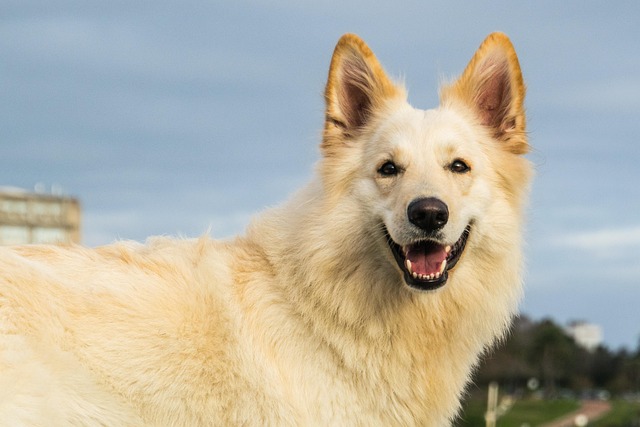
The behavior and attitude of the owner have a profound impact on a dog's territorial aggression. When a dog shows aggressive behavior towards people or animals entering its territory, if the owner doesn't stop it in time but instead encourages or 默许 it, the dog will think that this behavior is approved of and will intensify it. On the contrary, if the owner overprotects the dog, making the dog feel that it is in danger all the time, it will also enhance its awareness of territorial protection. In addition, the owner's own emotional state, such as anxiety and nervousness, will also be transmitted to the dog, making the dog more uneasy and prone to aggression.
A dog's health condition can also affect its behavior. Certain diseases and pains can make a dog irritable and more sensitive to everything around it. For example, diseases such as ear infections and arthritis can make the dog physically uncomfortable. When someone approaches, they may show aggression because they are afraid of being touched on the painful part. In addition, endocrine disorders may also cause mood swings in dogs, increasing the probability of aggression.
Understanding the reasons for a dog's territorial aggression is the first step in helping them overcome this problem. Every dog deserves a healthy and happy living environment, and every owner shoulders the responsibility of guiding the dog to grow up healthily. When we have an in-depth understanding of the dog's inner world, pay attention to their behavioral changes, and use scientific methods for training and guidance, it is possible to help the dog control its territorial aggression and regain that gentle and lovely companion.
In the days to come, let us accompany the dog to overcome territorial aggression with patience, love, and professional knowledge, so that they can get along with the world with a peaceful mind and continue to write a beautiful chapter in the relationship between humans and pets. Every effort is not only for the happiness of the dog but also for creating a beautiful world where humans and animals live in harmony.
Let’s be real: It’s a sticky August morning in Los Angeles, and you took your 2-year-old Golden Retriever, Max, for a walk a little later than usual
You're enjoying a summer afternoon at the park when you notice your dog has stopped panting and appears disoriented - their gums are bright red
Let’s paint the picture: You’re in your Denver apartment, watching your 4-year-old Boston Terrier, Ruby, plop down mid-play session with her favorite toy

Many dog owners notice their pets nails seem shorter after regular walks,but how much does this daily activity actually help?The answer depends on where you walk—concrete sidewalks or asphalt streets gently file nails as a dog's paws hit the ground
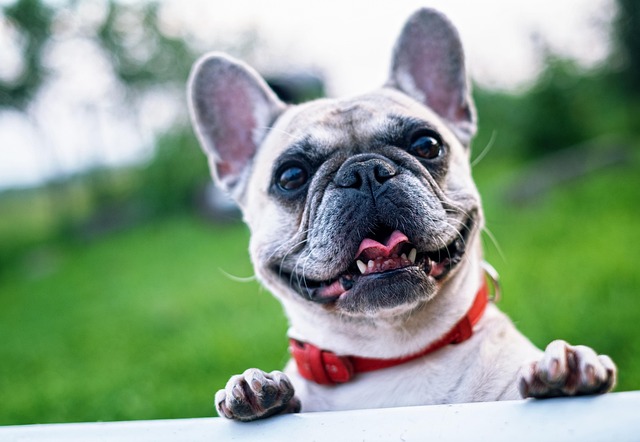
Most dog owners notice their pup scooting across the carpet at some point, but few connect it to impacted anal glands. These small sacs near a dog’s rectum secrete a scent for marking territory
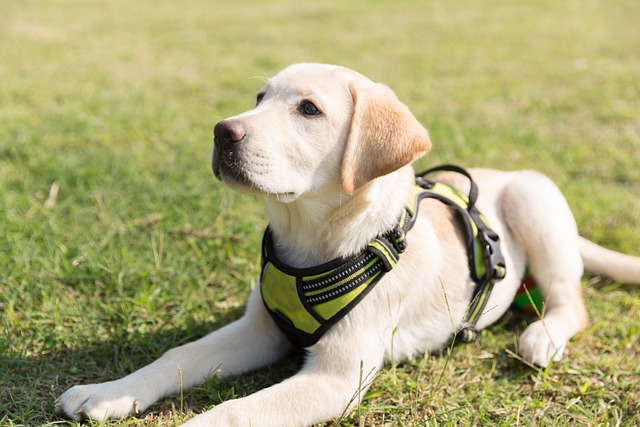
Most vets agree that regular dog teeth cleaning is key to avoiding painful dental issues later. For healthy adult dogs, a professional cleaning at the vet’s office every 12 to 18 months usually works well.