

What is glaucoma in a dog?
You might notice your dog squinting more at mealtime or avoiding bright sunlight—these small changes could be early signs of a serious eye condition.
If you’re a new dog parent, walking into a vet clinic for your first health check can feel like stepping into a foreign country—strange smells, medical tools that look intimidating, and a racing mind wondering, “What exactly are they going to do to my pup?” It’s normal to feel nervous, but understanding what happens during a dog health check turns that anxiety into confidence. These visits aren’t just for when your dog is sick—they’re preventive care, like your own annual physical, designed to catch small issues before they become big problems. Let’s break down what to expect, so you and your furry friend can walk in (and out) feeling prepared.
First, let’s talk about why these checks matter. Dogs can’t tell us when they have a toothache, an achy joint, or a subtle infection. A health check lets your vet spot early signs of trouble—like redness in the ears, a dull coat, or a heart murmur—that you might miss. Science shows preventive care extends dogs’ lifespans by catching issues when they’re easiest to treat. My neighbor in Texas learned this with her 2-year-old Beagle, Charlie. His annual checkup revealed early signs of dental disease—something she hadn’t noticed—and a deep cleaning prevented painful infections later. A local vet explained: “Dogs hide discomfort as a survival instinct. Health checks are how we ‘read’ their bodies when they can’t speak.”
So, what actually happens during a checkup? It starts with basics: weight and temperature. Your vet will weigh your dog to track growth (puppies) or catch weight gain/loss (adults)—Charlie’s vet noted he’d gained 2 pounds, prompting a chat about portion control. Next, they’ll check eyes for clarity, ears for redness or wax buildup (critical for floppy-eared breeds like Cocker Spaniels), and nose for discharge. They’ll run hands over their coat and skin, feeling for lumps, dry patches, or ticks—essential for apartment dogs who might pick up pests on walks. Then, they’ll listen to their heart and lungs with a stethoscope, checking for abnormal sounds. For puppies, this includes reviewing vaccine records—rabies shots aren’t just recommendations; every U.S. state requires them, and most dog parks (like Chicago’s Montrose Beach) demand proof before entry.

Dental checks are a big part too. Vets look for tartar, broken teeth, or gum inflammation. Charlie’s vet showed my neighbor how to brush his teeth at home—using dog-specific toothpaste—to keep his mouth healthy between visits. For senior dogs, blood work or urine tests might be recommended to check organ function, but puppies usually stick to physical exams and vaccine updates.
Now, let’s tie in responsible pet parenting. Health checks go hand-in-hand with other obligations: always carry biodegradable poop bags (fines for skipping start at $50 in most cities) to keep public spaces clean. Vets often discuss training too, emphasizing positive reinforcement over punishment—Charlie’s vet even demonstrated a quick “sit” reward technique, linking health and good behavior. For apartment dwellers, vets might check for stress signs (like excessive licking) and suggest puzzle feeders to keep minds busy without disturbing neighbors.
A dog health check isn’t just a vet visit—it’s a partnership in keeping your pup happy and healthy. Knowing what to expect turns “nerve-wracking” into “empowering,” because you’ll leave with answers, tips, and the peace of mind that comes from caring for your best friend right.
You might notice your dog squinting more at mealtime or avoiding bright sunlight—these small changes could be early signs of a serious eye condition.
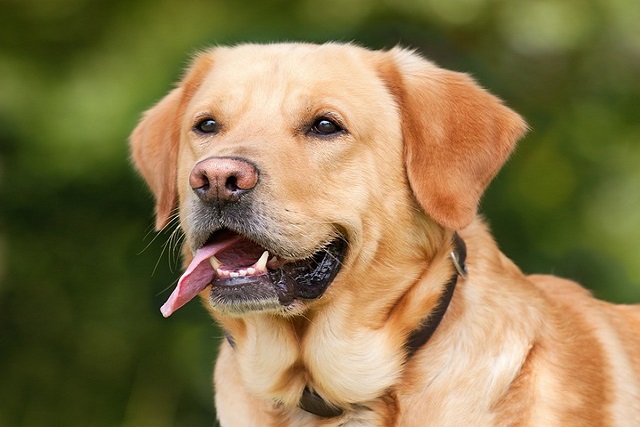
Let’s set the scene: It’s a sweltering Phoenix afternoon—105°F outside—and you rushed your 2-year-old Lab mix, Cooper, on a quick walk to “get it over with.”

Let’s get real: You’re in your Miami apartment, watching your 3-year-old Corgi, Loki, struggle to climb the stairs to your second-floor unit.

Many dog owners brush off occasional scratching as just “dog behavior,” but persistent itching often signals something more—like a food allergy.

You might first notice your dog scratching more than usual—chewing at their paws until the fur looks thin, or rubbing their face against the couch nonstop.

Let’s be real: You’re standing in your Chicago apartment, watching your 3-year-old Beagle, Max, huff and puff just to climb onto the couch.