
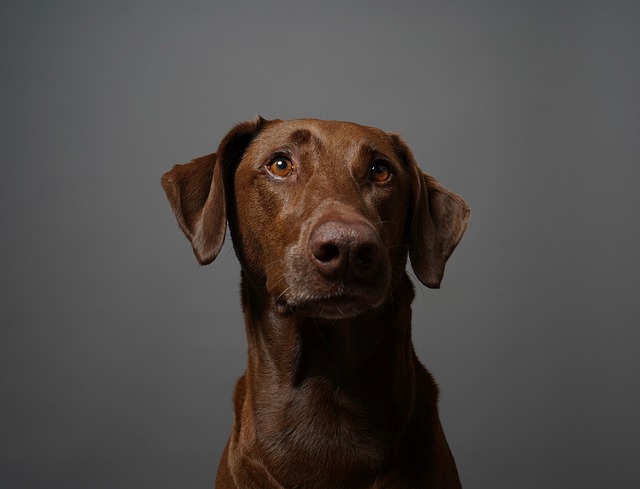
What is glaucoma in a dog?
You might notice your dog squinting more at mealtime or avoiding bright sunlight—these small changes could be early signs of a serious eye condition.
Most dog owners notice little changes in their pup’s movement before anything else—a slight limp after a walk, maybe a hesitation when jumping onto the couch. For dogs with hip dysplasia, these changes often start subtle but get harder to miss over time. The hips, which should move smoothly to support their body, don’t fit together right, making even simple movements a struggle. You might first see it when they walk: a sort of uneven sway, like their back end isn’t keeping up with their front legs.
Watch closely, and other signs pop up. Their hind legs might not push off the ground with the same strength, so their steps feel shorter, almost stilted. Some dogs start “bunny hopping” when they run—both hind legs moving together instead of alternating—because it eases the pressure on their hips. Climbing stairs becomes a chore; you’ll catch them pausing mid-step, tail drooping a little, as if gathering courage to lift a leg. After exercise, that limp might stick around longer, or they might lie down more than usual, avoiding standing if they can help it.
 Puppies with early signs might not run as enthusiastically as their littermates, or they could sit with one hind leg stretched out awkwardly, trying to find a comfortable position. Older dogs might develop a more pronounced sway, their lower backs arching slightly to compensate for weak hips. It’s not just about looks—you can almost feel their discomfort, like when they flinch if you accidentally brush their hip area or hesitate to jump into the car, a place they once bounded into without a second thought.
These changes matter beyond just keeping your dog happy. Catching them early means a trip to the vet, where they can check for hip dysplasia with exams or X-rays. Staying on top of this isn’t just good care—it lines up with what’s expected of responsible pet owners, making sure our dogs get the help they need to stay mobile. Vets might suggest exercises to strengthen their legs, special beds to support their joints, or other treatments to ease pain. The key is noticing those first little shifts in how they move, before things get worse.
Dogs are masters at hiding pain, but their bodies tell the truth. A dog with hip dysplasia might still wag their tail when you come home, but their walk will give them away—slower, less steady, a quiet signal that they need help. Paying attention to these details isn’t just part of loving your dog; it’s how we make sure they stay as healthy and active as possible, for as long as possible. And that’s the best gift we can give them.
You might notice your dog squinting more at mealtime or avoiding bright sunlight—these small changes could be early signs of a serious eye condition.
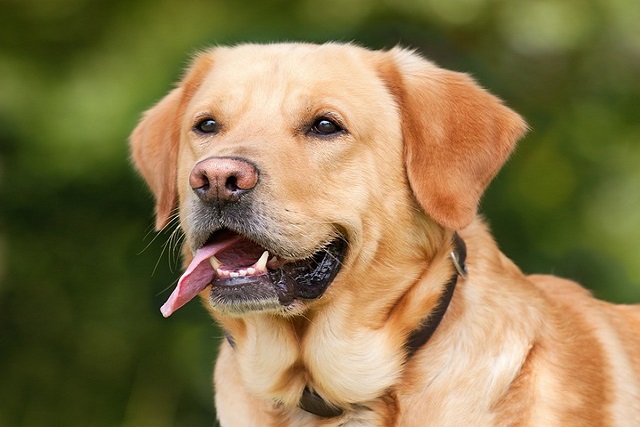
Let’s set the scene: It’s a sweltering Phoenix afternoon—105°F outside—and you rushed your 2-year-old Lab mix, Cooper, on a quick walk to “get it over with.”
Let’s get real: You’re in your Miami apartment, watching your 3-year-old Corgi, Loki, struggle to climb the stairs to your second-floor unit.
Many dog owners brush off occasional scratching as just “dog behavior,” but persistent itching often signals something more—like a food allergy.
You might first notice your dog scratching more than usual—chewing at their paws until the fur looks thin, or rubbing their face against the couch nonstop.
Let’s be real: You’re standing in your Chicago apartment, watching your 3-year-old Beagle, Max, huff and puff just to climb onto the couch.