

How do i train my dog to be obedient?
Watching your dog dart across the park ignoring your calls isn’t just frustrating—it can put them at risk near busy streets or public spaces.
You walk through the front door after a long day, and before you can even drop your bag, there he is – paws planted firmly on your chest, tail whipping like a propeller, a whirlwind of fur and enthusiasm. That adorable, albeit slightly overwhelming, jumping greeting is a scene countless dog owners know intimately. Your dog keeps jumping on you, and while it often stems from pure joy, understanding the "why" behind those airborne paws is the first step towards a calmer, happier connection. It’s not just about muddy paw prints on your clothes; it’s a complex behavior rooted in canine communication and emotion.
So, why does my dog keep jumping on me? At its core, jumping is often a dog's exuberant way of saying, "Hello! I'm SO happy to see you!" or "Look at me! Pay attention to me!" It taps into deeply ingrained instincts. Puppies jump up to lick their mother's face, soliciting food or affection. Your dog might be instinctively replicating this behavior, aiming to get closer to your face for interaction. It’s also a very effective attention-grabbing strategy. If barking gets ignored, but jumping *always* earns a reaction – even if it's a frustrated "Down!" – your dog learns that jumping works. Sometimes, the trigger is sheer overstimulation. The doorbell rings, guests arrive, playtime gets too rowdy – these exciting or chaotic moments can send arousal levels skyrocketing, making jumping an almost involuntary outlet for that pent-up energy. Less commonly, but importantly, jumping can signal anxiety or uncertainty. A dog unsure how to greet politely or feeling stressed might jump as a displacement behavior, a way of coping with internal conflict.
Understanding these common triggers helps us anticipate the behavior. Greeting time is the classic scenario – your arrival home, the arrival of visitors. Play sessions often escalate, with leaping becoming part of the game. Times of high excitement, like preparing for a walk or the jingle of the leash, can be precursors. Even frustration, like being tethered while others play freely, can manifest as jumping. Recognizing *your* dog's specific triggers is crucial. Does it only happen when you come home? Or specifically when Grandma visits? Pinpointing the "when" helps tailor the solution.
This jumping behavior impacts both ends of the leash. For us owners, it can be embarrassing, frustrating, and physically uncomfortable, especially with larger dogs or young children around. We might feel judged or worry our dog isn't well-behaved. For the dog, the emotional consequences are real. If our response is inconsistent – sometimes pushing them away angrily, other times laughing and petting – it creates confusion and anxiety. They genuinely don't understand why their heartfelt greeting is sometimes punished. Over time, this misunderstanding can subtly erode trust and mutual understanding. Addressing the jumping isn't about suppressing their joy; it's about teaching them a way to express that excitement that feels good and safe for everyone involved, strengthening your bond in the process.
Knowing the emotional drivers means our strategies must be compassionate and focus on teaching an alternative behavior rather than just suppressing the jump. The key is consistency and managing the situation. One powerful technique is simply turning away and becoming boring. When your dog jumps, immediately turn your back, cross your arms, and avoid eye contact or speaking. The moment all four paws are on the floor, turn back, praise calmly, and reward. This teaches that jumping earns zero attention, but calmness gets the good stuff. Another effective method is asking for an incompatible behavior *before* the jump happens. Train a solid "Sit" or "Go to Mat" command. Practice it intensely outside of greeting scenarios. Then, as you approach the door or before greeting, ask for the sit. Reward lavishly for compliance. You’re giving them a clear, acceptable job to do. Managing the environment helps too. For super-excited greeters, keep leashes handy at the door to gently prevent the leap before it starts, or ask guests to ignore the dog until calm. Remember, yelling "No!" or kneeing (which can injure) usually just increases arousal or fear. Patience is non-negotiable. Changing an ingrained, emotionally charged behavior takes time. Celebrate tiny wins.
Ultimately, navigating your dog’s jumping behavior is far more than just obedience training; it's a profound exercise in empathy and communication. By seeking to understand the emotional root – whether it's overflowing joy, a bid for connection, or nervous energy – you shift from frustration to compassion. Implementing consistent, positive techniques like rewarding calm alternatives and managing triggers isn't a quick fix, but a commitment to guiding your dog toward understanding what *does* work to get their needs met. This journey requires immense patience. There will be setbacks, days when the old habit resurfaces. But each time you calmly redirect, each time you reward those precious moments of four-on-the-floor, you’re not just stopping a jump; you’re building a deeper language of trust. You’re showing your dog you understand their feelings and offering them a better way to share their exuberant love. The result? A stronger, more harmonious bond where greetings are filled with mutual respect and genuine warmth, minus the airborne paws. That connection, forged through understanding and patience, is truly the most rewarding outcome.
Watching your dog dart across the park ignoring your calls isn’t just frustrating—it can put them at risk near busy streets or public spaces.
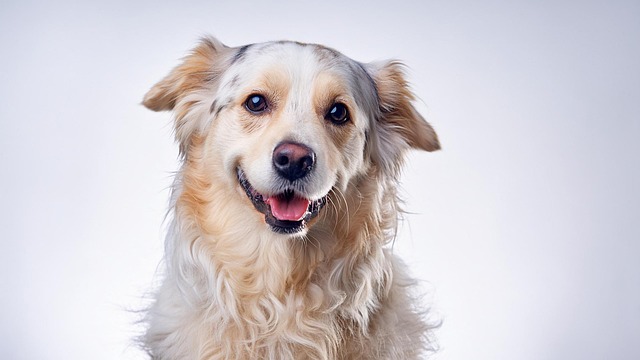
New puppy owners often find themselves rushing to clean up accidents before they set in, and that’s where puppy pad training becomes a game-changer.
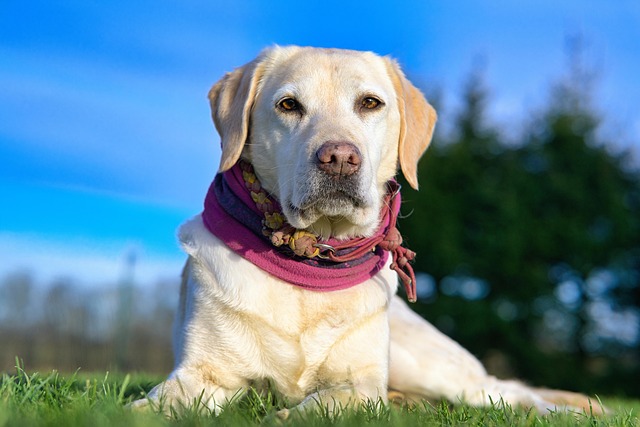
If you've noticed your dog's waistline disappearing and your veterinarian has mentioned those few extra pounds, your first instinct might be to simply reduce the amount of food in their bowl.

Training a dog to use a designated spot indoors isn’t as daunting as many new owners fear, but it does take consistency and an understanding of your pet’s needs.
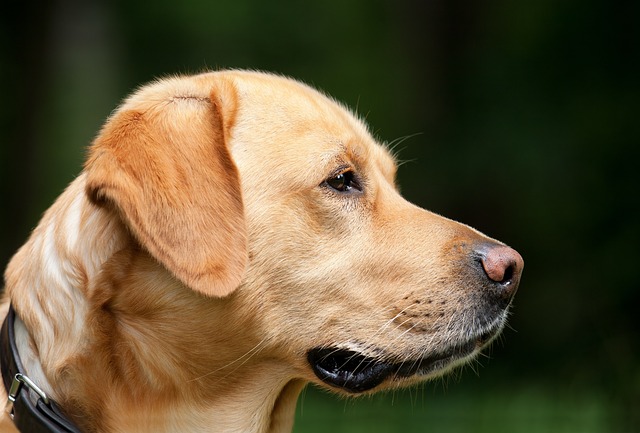
That moment of dread on a walk is all too familiar for many new dog owners. You see another dog approaching down the sidewalk of your neighborhood
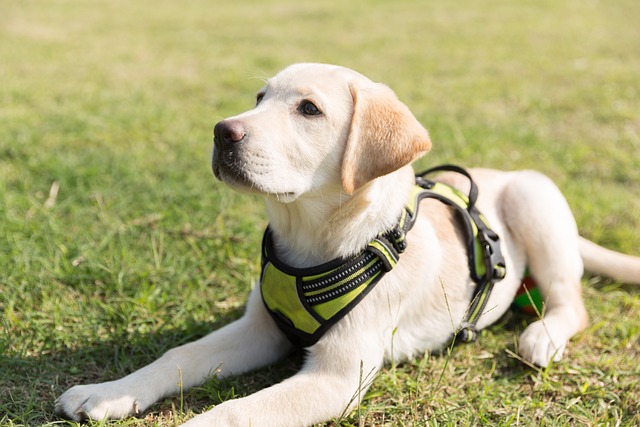
If the sight of another dog on your neighborhood walk makes your heart sink as your own dog erupts into a frenzy of barking and lunging, you're not alone.