

How can I tell if my dog's heatstroke is serious
Let’s be real: It’s a sticky August morning in Los Angeles, and you took your 2-year-old Golden Retriever, Max, for a walk a little later than usual
You might’ve started noticing it lately—your senior pup lingering by the water bowl longer, lapping up more than usual. That extra interest in drinking, especially in an older dog, isn’t just a quirky new habit. It often signals something going on beneath the surface, and paying attention could make a big difference for their well-being.
Older dogs’ bodies go through changes, just like ours. Their organs work a little harder, and sometimes that shows up in how much they drink. Kidney function can shift with age, and when those organs aren’t filtering as efficiently, dogs might drink more to flush out toxins. Then there’s diabetes, a condition that can affect senior dogs too; when blood sugar spikes, their bodies try to balance things out by pulling more water into the system, making them thirsty. It’s not always serious, but these are the kinds of possibilities that deserve a closer look.
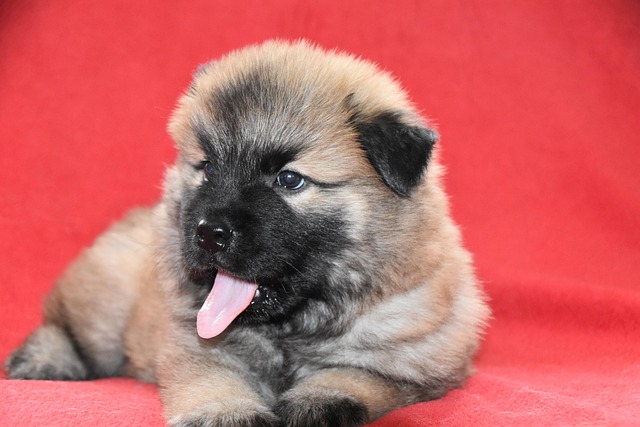 It’s easy to brush off small changes as “just getting old,” but with an older dog, even subtle shifts matter. Maybe they’re urinating more too, having accidents in the house when they never did before. That’s a red flag paired with increased drinking. Think about their energy levels, too—are they napping more, or less interested in walks? These little clues add up, and sharing them with a vet can help pinpoint what’s going on.
Taking your older dog to the vet when you notice excessive drinking isn’t just about keeping them comfortable—it’s part of being a responsible pet owner. Keeping up with their health helps ensure they stay happy, and it aligns with the care standards that matter in our communities. Vets can run simple tests, like checking blood work or urine samples, to get to the bottom of the thirst. Catching issues early often makes treatment more effective, and that means more good days with your furry friend.
Sometimes, environmental factors play a role too. If it’s been hotter than usual, or if they’ve been more active, they might drink more temporarily. But if the change sticks around—lasting more than a few days—it’s time to investigate. Senior dogs thrive on routine, so when something feels off, trusting that gut feeling is usually a good call.
Watching your dog age is a gift, but it comes with noticing these small shifts. That extra trip to the water bowl? It’s their way of telling you something might need attention. By staying alert and acting quickly, you’re giving them the best chance to enjoy their golden years fully. After all, they’ve been there for you through so much—returning that care is one of the best things we can do.
Let’s be real: It’s a sticky August morning in Los Angeles, and you took your 2-year-old Golden Retriever, Max, for a walk a little later than usual
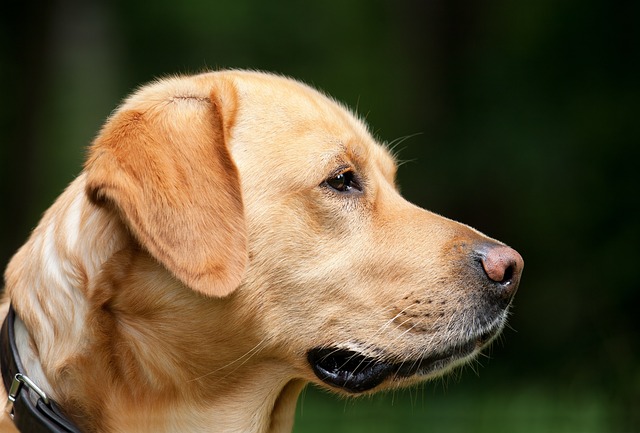
You're enjoying a summer afternoon at the park when you notice your dog has stopped panting and appears disoriented - their gums are bright red
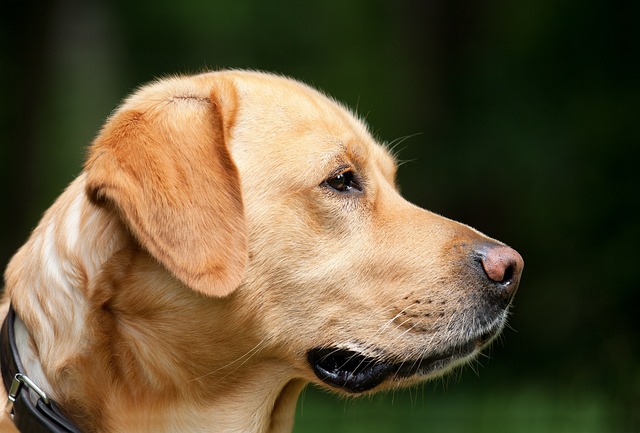
Let’s paint the picture: You’re in your Denver apartment, watching your 4-year-old Boston Terrier, Ruby, plop down mid-play session with her favorite toy

Many dog owners notice their pets nails seem shorter after regular walks,but how much does this daily activity actually help?The answer depends on where you walk—concrete sidewalks or asphalt streets gently file nails as a dog's paws hit the ground
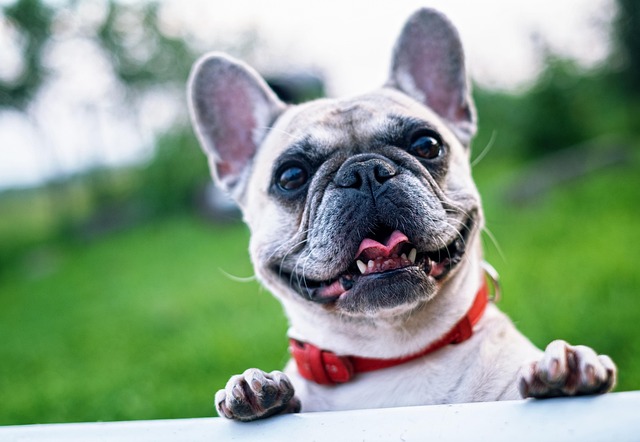
Most dog owners notice their pup scooting across the carpet at some point, but few connect it to impacted anal glands. These small sacs near a dog’s rectum secrete a scent for marking territory
Most vets agree that regular dog teeth cleaning is key to avoiding painful dental issues later. For healthy adult dogs, a professional cleaning at the vet’s office every 12 to 18 months usually works well.