
How can I tell if my dog's heatstroke is serious
Let’s be real: It’s a sticky August morning in Los Angeles, and you took your 2-year-old Golden Retriever, Max, for a walk a little later than usual
When a puppy at home has diarrhea, the owner is often extremely worried, feeling both sorry for the discomfort of the furry little one and concerned about its health. During this special period, making a reasonable choice of diet is of vital importance. It can not only help the puppy relieve gastrointestinal discomfort but also play a crucial role in its recovery to health. Next, let's explore the foods suitable for a puppy with diarrhea together, using science and love to escort its recovery.
A puppy's stomach and intestines are like a sophisticated and fragile instrument that may "malfunction" with the slightest irritation. There are various reasons for a puppy to have diarrhea. It may be due to a sudden change of dog food, accidental ingestion of spoiled food, a cold in the abdomen, or it could also be caused by parasite infections, viral invasions, and so on. When there is a problem with the puppy's stomach and intestines, its digestive function weakens, and the choice of diet at this time must be extremely cautious. The wrong kind of food not only fails to replenish energy for the puppy but may also increase the burden on its stomach and intestines, worsening the condition.
In the initial stage of a puppy's diarrhea, the most crucial thing is to reduce the burden on its stomach and intestines and help restore its digestive function. At this time, fasting is a common and effective practice. The fasting period is usually controlled for 12 to 24 hours. During this period, ensure that the puppy can drink clean warm water at any time to prevent dehydration. Perhaps the owner will feel sorry to see the puppy go hungry, but a short period of fasting can allow the stomach and intestines to rest fully, just like pressing the pause button on a tired machine, leaving room for subsequent recovery. After the fasting period ends, introduce suitable food gradually.
White rice porridge is a gentle and nutritious choice for a puppy with diarrhea. Wash the rice thoroughly, add enough water, and cook it into a soft and mushy porridge until the rice grains are fully cooked and burst. Only take the rice soup and a small amount of rice grains. White rice porridge is rich in carbohydrates, which are easily digested and absorbed by the puppy. At the same time, it can provide energy for the weak body. The colloidal components in the rice soup can form a protective film on the surface of the gastrointestinal mucosa, reducing the irritation of food to the stomach and intestines and relieving diarrhea symptoms. When feeding, pay attention to letting the white rice porridge cool down to a warm temperature to avoid irritating the stomach and intestines with overly hot or cold food.
 In addition to white rice porridge, chicken breast is also a good choice. Wash the fresh chicken breast, cut it into small pieces, and cook it in clean water. Be careful not to add any seasonings. The cooked chicken breast has a tender texture, high protein content, and is easy to digest. Tear the chicken into thin shreds and mix it into the white rice porridge. This can not only improve the taste of the food but also replenish the protein needed for the puppy's body to recover. For a puppy with diarrhea, an appropriate amount of protein helps to enhance immunity and promote physical recovery.
Pumpkin is also a suitable food for a puppy with diarrhea. Pumpkin is rich in dietary fiber and pectin. Dietary fiber can promote intestinal peristalsis and aid digestion; pectin can absorb the excess water in the intestines, making the feces relatively formed, thus relieving diarrhea symptoms. Peel and seed the pumpkin, cut it into small pieces, steam or cook it, and then mash it into a puree. It can also be mixed into the white rice porridge for feeding. The sweet taste of pumpkin is often very appealing to puppies and can stimulate their appetite to a certain extent.
When feeding a puppy with diarrhea, it is essential to follow the principle of small meals and frequent feeding. Divide the day's food into 4 to 6 feedings, with a small amount each time, to avoid overloading the stomach and intestines by eating too much at one time. As the puppy's diarrhea symptoms ease, the amount and variety of food can be gradually increased. However, be careful not to rush back to the normal diet but make a slow transition. For example, after feeding a mixture of white rice porridge, chicken breast, and pumpkin for a few days, try mixing a small amount of the original dog food into it and observe the puppy's reaction. If there are no uncomfortable symptoms, gradually increase the proportion of dog food until the normal diet is fully restored.
It is particularly important to note that during a puppy's diarrhea, avoid feeding greasy, spicy, cold, and raw foods, as well as foods that are highly irritating to the puppy's stomach and intestines, such as milk and chocolate. These foods are not only difficult to digest but may also further damage the gastrointestinal mucosa and exacerbate the diarrhea. At the same time, always pay attention to the puppy's mental state, defecation situation, and body temperature changes. If the diarrhea symptoms do not improve continuously, or serious symptoms such as vomiting, listlessness, and bloody stools occur, immediately take the puppy to a pet hospital for treatment to avoid delaying the illness.
Watching the puppy transform from being weak and listless to being lively and jumping around again, wagging its tail happily, every mouthful of carefully prepared food carries the owner's full love and concern. In the difficult time when the puppy has diarrhea, accompanying it through the difficulties with scientific dietary knowledge and warm care is not only the owner's responsibility but also a testament to the deep affection between them. The patience and effort put into taking care of the puppy will eventually turn into the healthy and lively appearance of the puppy, becoming the warmest comfort in the owner's heart.
Let’s be real: It’s a sticky August morning in Los Angeles, and you took your 2-year-old Golden Retriever, Max, for a walk a little later than usual
You're enjoying a summer afternoon at the park when you notice your dog has stopped panting and appears disoriented - their gums are bright red
Let’s paint the picture: You’re in your Denver apartment, watching your 4-year-old Boston Terrier, Ruby, plop down mid-play session with her favorite toy
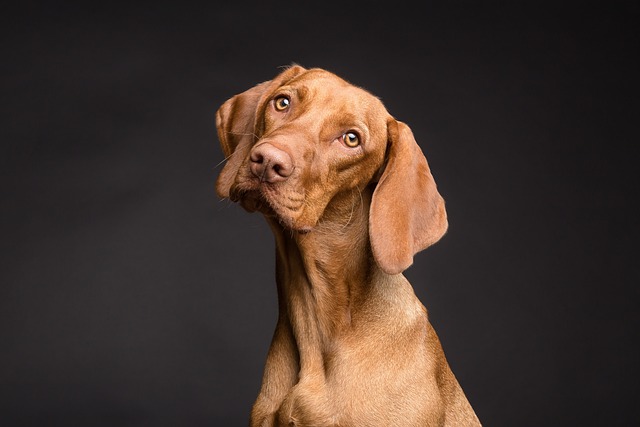
Many dog owners notice their pets nails seem shorter after regular walks,but how much does this daily activity actually help?The answer depends on where you walk—concrete sidewalks or asphalt streets gently file nails as a dog's paws hit the ground
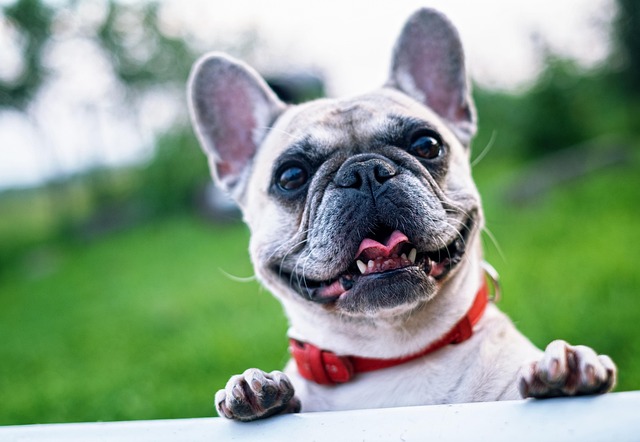
Most dog owners notice their pup scooting across the carpet at some point, but few connect it to impacted anal glands. These small sacs near a dog’s rectum secrete a scent for marking territory
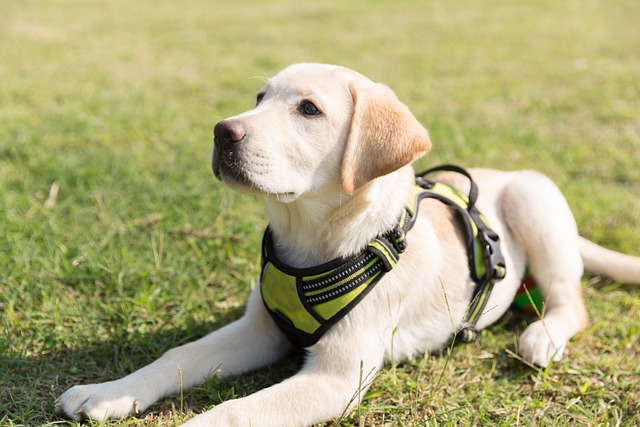
Most vets agree that regular dog teeth cleaning is key to avoiding painful dental issues later. For healthy adult dogs, a professional cleaning at the vet’s office every 12 to 18 months usually works well.