

How can I tell if my dog's heatstroke is serious
Let’s be real: It’s a sticky August morning in Los Angeles, and you took your 2-year-old Golden Retriever, Max, for a walk a little later than usual
Ever notice your dog doing zoomies around the living room like a furry tornado right after dinner? Or maybe that normally sweet Golden Retriever turns into a bouncing ball of energy after a special treat? You're not imagining things, and it often boils down to what's in their bowl. Figuring out what food makes dogs hyperactive is key for new owners wanting a calmer companion, especially in shared apartments or busy neighborhoods.
The science is pretty straightforward. Just like sugary snacks can hype up kids, certain ingredients in dog food cause rapid blood sugar spikes. High-glycemic carbohydrates like corn syrup, white rice, or cheap wheat flour are major culprits. They digest quickly, flooding your dog’s system with glucose, leading to bursts of frenetic energy – that's the classic "zoomies" effect. Artificial colors (think those brightly colored kibble bits) and preservatives like BHA or BHT have also been linked by some studies and owner reports to increased hyperactivity and even anxiety in sensitive dogs. Even too much protein from certain sources without adequate fat balance can sometimes overstimulate, particularly in working breeds. Remember that time Max went bonkers after scarfing down that bacon-flavored jerky strip? That’s this principle in action.
So, what’s the solution? Start playing detective with your dog's dog food ingredients. Check the label: prioritize foods with complex carbs like sweet potato, brown rice, or oats that release energy slowly. Look for "complete and balanced" formulas with recognizable protein sources (chicken, salmon) and healthy fats. Ditch artificial additives – "natural preservatives" like tocopherols (Vitamin E) are better. Portion control is crucial too; even good food can cause spikes if overfed. Split meals into two or three smaller servings throughout the day for steadier energy levels. If hyperactivity persists after dietary changes, absolutely consult your vet. Underlying health issues like thyroid problems can mimic dietary reactions, and regular wellness checks (including legally required rabies vaccines in most US states!) are non-negotiable for responsible ownership.

Managing hyperactivity isn't just about diet; it's intertwined with responsible pet parenting in our communities. Never resort to yelling or physical punishment if your dog acts up – this damages trust and is culturally unacceptable. Instead, use positive reinforcement training techniques. Reward calm behavior with praise or healthy treats (like small bits of carrot or apple). Channel that energy constructively: a brisk 20-minute walk before breakfast helps immensely, especially in apartments. Always carry poop bags – scooping immediately is both a legal obligation in public spaces and basic neighborly courtesy. A well-exercised dog on a suitable diet is far less likely to become a barking nuisance, making apartment living smoother and community walks enjoyable for everyone. By understanding the food-behavior link and embracing these responsible practices, you pave the way for a calmer, happier, and better-behaved furry family member.
Let’s be real: It’s a sticky August morning in Los Angeles, and you took your 2-year-old Golden Retriever, Max, for a walk a little later than usual

You're enjoying a summer afternoon at the park when you notice your dog has stopped panting and appears disoriented - their gums are bright red

Let’s paint the picture: You’re in your Denver apartment, watching your 4-year-old Boston Terrier, Ruby, plop down mid-play session with her favorite toy

Many dog owners notice their pets nails seem shorter after regular walks,but how much does this daily activity actually help?The answer depends on where you walk—concrete sidewalks or asphalt streets gently file nails as a dog's paws hit the ground
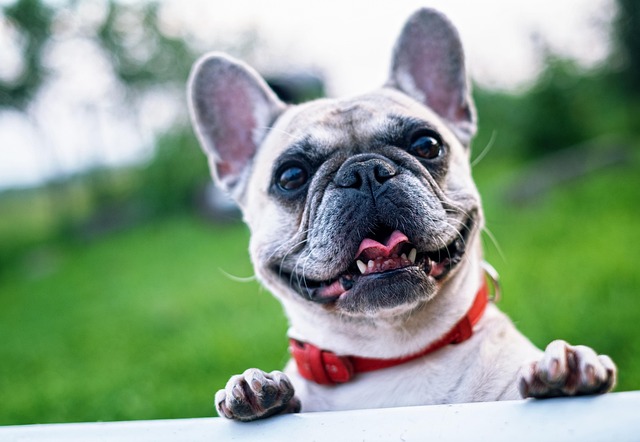
Most dog owners notice their pup scooting across the carpet at some point, but few connect it to impacted anal glands. These small sacs near a dog’s rectum secrete a scent for marking territory

Most vets agree that regular dog teeth cleaning is key to avoiding painful dental issues later. For healthy adult dogs, a professional cleaning at the vet’s office every 12 to 18 months usually works well.