
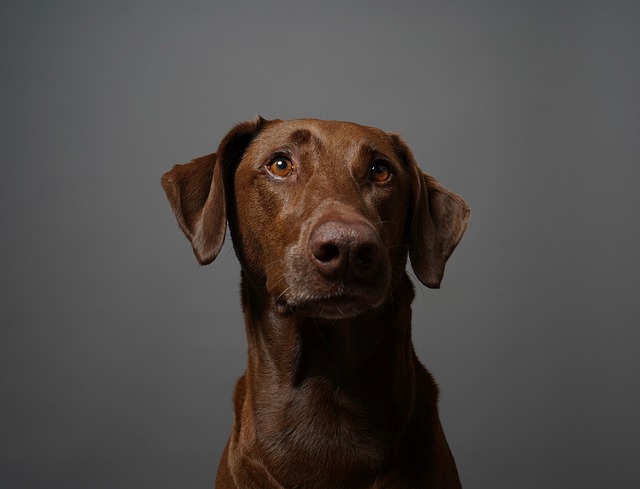
What is glaucoma in a dog?
You might notice your dog squinting more at mealtime or avoiding bright sunlight—these small changes could be early signs of a serious eye condition.
Dogs dealing with urinary issues need extra care when it comes to their diet, and knowing what to keep off their plates can make a big difference in their comfort and recovery. Many pet owners don’t realize that common ingredients in commercial foods or table scraps can worsen conditions like bladder stones, infections, or irritation.
High-sodium foods top the list of culprits. Chips, canned soups, and even some processed dog treats are loaded with salt, which increases thirst and urination. This extra strain on the urinary system can irritate already sensitive bladders, especially in breeds prone to such issues, like Bulldogs or Cocker Spaniels. In some European countries, pet food regulations limit sodium levels, but it’s still smart to check labels—look for “low sodium” or “urinary health” formulas.
Certain proteins might also cause problems. While dogs need protein, some sources like organ meats (liver, kidneys) are high in purines, which break down into uric acid. Too much uric acid can lead to kidney stones, a painful condition that often requires veterinary care. If your dog has a history of stones, ask your vet about switching to a low-purine protein like chicken or fish instead of beef or pork.
 Dairy products are another tricky area. Many dogs are lactose intolerant, and consuming milk, cheese, or yogurt can lead to diarrhea and dehydration. Dehydration thickens urine, making it more likely to form crystals or stones. It’s not just about avoiding obvious dairy—some processed dog foods include whey or milk by-products, so always read the ingredient list carefully.
Sugary snacks and table scraps should be strictly off-limits. Cookies, candy, or even leftover pasta with sauce can spike blood sugar and encourage bacterial growth in the urinary tract, increasing infection risk. In the UK, for example, vets often see cases where holiday leftovers lead to sudden urinary issues in dogs. Sticking to a consistent, vet-recommended diet is far safer than sharing human food.
Finally, remember that every dog is different. What triggers problems in one might be fine for another. Always consult your vet before making major diet changes, especially if your dog is on medication for a urinary condition. They can recommend specific foods or supplements that support bladder and kidney health, helping your pup stay comfortable and active.
By avoiding these problematic foods and working closely with your vet, you can help manage your dog’s urinary issues and reduce the risk of painful flare-ups. A little attention to their diet goes a long way in keeping them happy and healthy.
You might notice your dog squinting more at mealtime or avoiding bright sunlight—these small changes could be early signs of a serious eye condition.
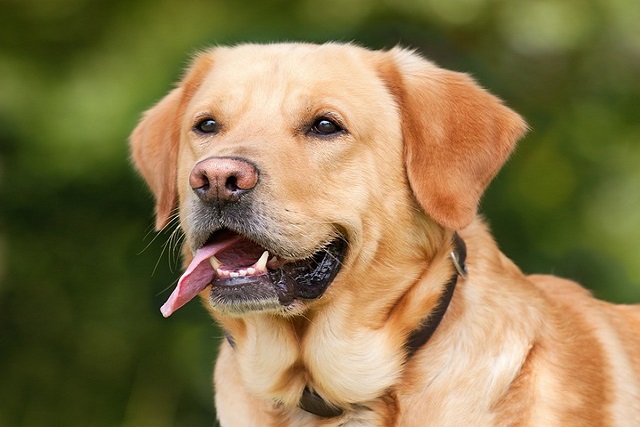
Let’s set the scene: It’s a sweltering Phoenix afternoon—105°F outside—and you rushed your 2-year-old Lab mix, Cooper, on a quick walk to “get it over with.”

Let’s get real: You’re in your Miami apartment, watching your 3-year-old Corgi, Loki, struggle to climb the stairs to your second-floor unit.

Many dog owners brush off occasional scratching as just “dog behavior,” but persistent itching often signals something more—like a food allergy.
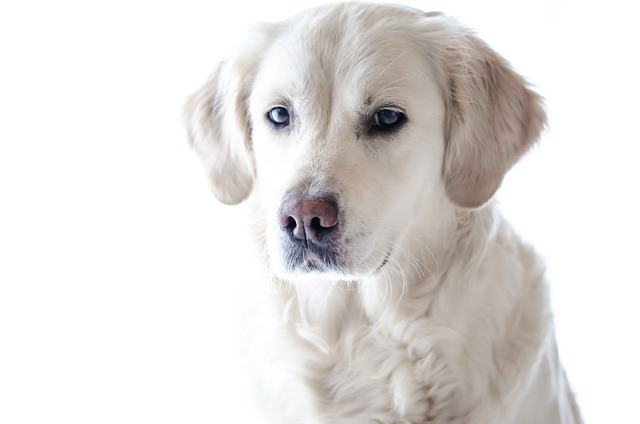
You might first notice your dog scratching more than usual—chewing at their paws until the fur looks thin, or rubbing their face against the couch nonstop.

Let’s be real: You’re standing in your Chicago apartment, watching your 3-year-old Beagle, Max, huff and puff just to climb onto the couch.