
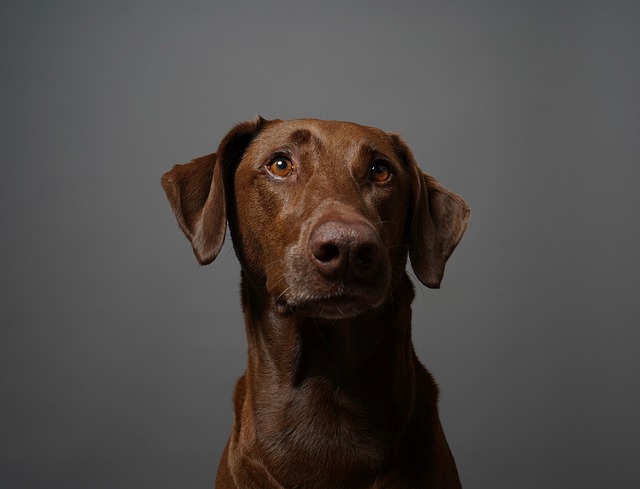
What is glaucoma in a dog?
You might notice your dog squinting more at mealtime or avoiding bright sunlight—these small changes could be early signs of a serious eye condition.
Many dog owners first notice something’s off when their pup starts sneezing more after a trip to the park or a hike—often, that’s the first sign of a nasal fungal infection. This issue happens when fungi like Aspergillus (super common in damp soil or decaying leaves) get into a dog’s nasal passages, where they grow and irritate the delicate tissues. It’s not just a minor sniffle, either; left unchecked, it can cause real discomfort, especially for dogs that love rooting around in grass or digging—habits that up their risk of picking up spores.
Spotting the signs early makes a huge difference. Look for thick, discolored nasal discharge (usually yellow, green, or even blood-tinged), frequent sneezing fits, or your dog rubbing their nose on the carpet to ease itchiness. Some dogs also lose their sense of smell, so they might turn up their nose at favorite treats—a big red flag for any owner who knows their pup’s eating habits. These symptoms aren’t just annoying; they can signal a problem that needs professional help, not home remedies.
 Never try to treat this on your own with over-the-counter meds—EU and U.S. veterinary guidelines are clear that prescription antifungals (like oral meds or nasal rinses) are the only safe way to tackle it. Your vet will likely run tests, like a nasal swab or X-ray, to confirm the infection type, which matters for picking the right treatment. Skipping this step not only delays healing but could also violate local pet care laws, which often require documented veterinary care for contagious or chronic conditions.
Speaking of laws, most U.S. states and EU countries mandate keeping records of your dog’s medical treatments—this includes fungal infections, especially if the fungus could spread to other pets or humans (though human transmission is rare, it’s still a public health note). For example, in California, you’ll need those records if your dog visits dog parks or boarding facilities, and in the UK, they’re required for any pet traveling within the EU. Staying compliant isn’t just paperwork; it keeps your dog and community safe.
At the end of the day, a dog’s nasal fungal infection is totally manageable with the right care—just don’t wait to act. Keep an eye on their post-outdoor behavior, stick to vet-recommended treatments, and hold onto those medical records to meet local laws. Your pup will be back to sniffing out squirrels and begging for snacks in no time, and you’ll have peace of mind knowing you’re doing things the right way.
You might notice your dog squinting more at mealtime or avoiding bright sunlight—these small changes could be early signs of a serious eye condition.
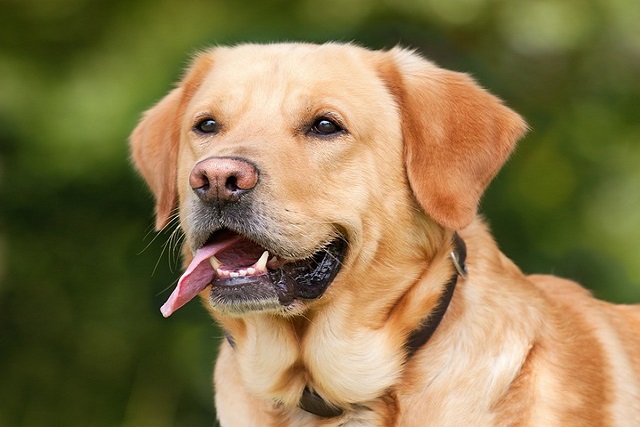
Let’s set the scene: It’s a sweltering Phoenix afternoon—105°F outside—and you rushed your 2-year-old Lab mix, Cooper, on a quick walk to “get it over with.”

Let’s get real: You’re in your Miami apartment, watching your 3-year-old Corgi, Loki, struggle to climb the stairs to your second-floor unit.
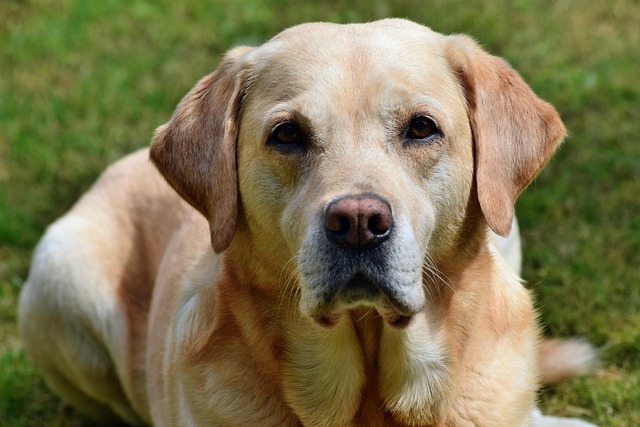
Many dog owners brush off occasional scratching as just “dog behavior,” but persistent itching often signals something more—like a food allergy.
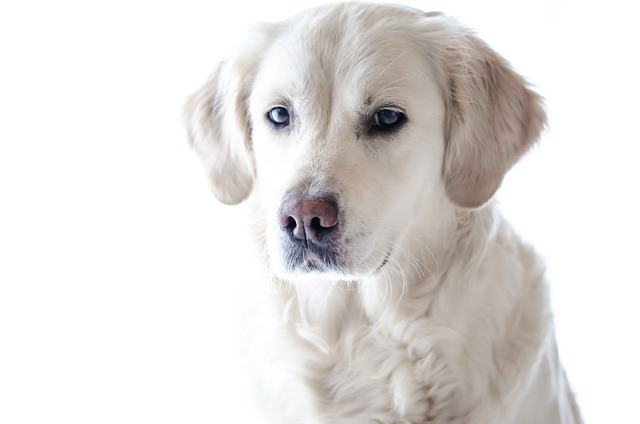
You might first notice your dog scratching more than usual—chewing at their paws until the fur looks thin, or rubbing their face against the couch nonstop.

Let’s be real: You’re standing in your Chicago apartment, watching your 3-year-old Beagle, Max, huff and puff just to climb onto the couch.