

How can I tell if my dog's heatstroke is serious
Let’s be real: It’s a sticky August morning in Los Angeles, and you took your 2-year-old Golden Retriever, Max, for a walk a little later than usual
Watching your pup struggle with pancreatitis is one of the hardest parts of being a dog owner. That dull lethargy, the way they turn away from their bowl—you’d do anything to ease their discomfort. The good news is that the right food can make a world of difference, but figuring out what that looks like isn’t always straightforward.
Pancreatitis in dogs often flares up when their digestive system is overwhelmed, especially by high amounts of fat. Their pancreas, which helps break down food, gets inflamed, and heavy, greasy meals only make it worse. So the first rule? Keep fat content super low. We’re talking single-digit percentages in their food, whether it’s commercial kibble or something you cook at home. But low fat alone isn’t enough—it also needs to be easy to digest, so their body doesn’t have to work overtime.
Think simple, gentle ingredients. Boiled chicken breast (no skin, no bones) mixed with plain white rice or a little pumpkin (not the spiced pie kind) is a go-to for many vets. These foods are mild, low in fat, and easy on a sensitive stomach. Avoid anything processed with hidden fats—those “gourmet” wet foods with gravy or bits of bacon might smell tempting, but they’re usually packed with the very thing your dog’s pancreas can’t handle right now.
 Commercial dog food can work too, but you have to read labels like a detective. Look for formulas specifically made for pancreatitis or labeled “low fat” by trusted brands. Some even include added enzymes to help with digestion, which can be a bonus. Just make sure whatever you pick is approved by your vet—they know your dog’s specific needs, and many regions have regulations around pet food safety that reputable brands follow, so sticking to those gives you extra peace of mind.
Homemade meals sound loving, but they’re trickier than they look. It’s easy to accidentally miss key nutrients, and even a small mistake with fat content can set back their recovery. That’s why working with a vet or a pet nutritionist is non-negotiable. They can tailor a recipe that’s low in fat, balanced, and safe, so you don’t have to second-guess every ingredient.
Timing matters too. Instead of big meals once or twice a day, try smaller portions spread out. It eases the load on their pancreas, which is already working overtime. And always fresh water—dehydration makes everything harder, so keep their bowl full and clean.
Your dog’s road to feeling better might take time, but with the right food and your care, they’ll be back to wagging their tail at mealtime soon. Check in with your vet regularly, adjust as needed, and trust that those small, careful choices are what’ll get them there. After all, seeing them perk up at the sound of their bowl? That’s the best reward.
Let’s be real: It’s a sticky August morning in Los Angeles, and you took your 2-year-old Golden Retriever, Max, for a walk a little later than usual

You're enjoying a summer afternoon at the park when you notice your dog has stopped panting and appears disoriented - their gums are bright red

Let’s paint the picture: You’re in your Denver apartment, watching your 4-year-old Boston Terrier, Ruby, plop down mid-play session with her favorite toy

Many dog owners notice their pets nails seem shorter after regular walks,but how much does this daily activity actually help?The answer depends on where you walk—concrete sidewalks or asphalt streets gently file nails as a dog's paws hit the ground
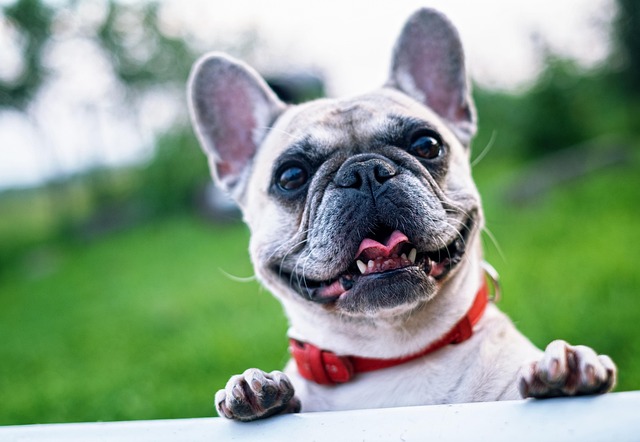
Most dog owners notice their pup scooting across the carpet at some point, but few connect it to impacted anal glands. These small sacs near a dog’s rectum secrete a scent for marking territory

Most vets agree that regular dog teeth cleaning is key to avoiding painful dental issues later. For healthy adult dogs, a professional cleaning at the vet’s office every 12 to 18 months usually works well.