

How can I tell if my dog's heatstroke is serious
Let’s be real: It’s a sticky August morning in Los Angeles, and you took your 2-year-old Golden Retriever, Max, for a walk a little later than usual
Golden Retrievers have a way of making every mealtime feel like a celebration—those bright eyes, that eager tail thump, as if they’re already savoring the first bite. But choosing the right food for these gentle, energetic pups isn’t just about keeping their tummies full; it’s about fueling their boundless energy, supporting their joint health, and keeping that signature golden coat shiny and soft.
The best food for Golden Retrievers starts with high-quality protein, and not just any protein—think real, recognizable sources like chicken, turkey, or salmon. These meats provide the building blocks for their muscles, which get a workout whether they’re chasing a ball or just trotting beside you on a walk. You’ll also want to look for healthy fats, like omega-3s from fish oil, to keep their skin from getting dry and their coats looking that classic Golden glow. Carbs matter too, but opt for whole grains like brown rice or oats over fillers—they digest better and keep your pup full longer without the energy crashes.
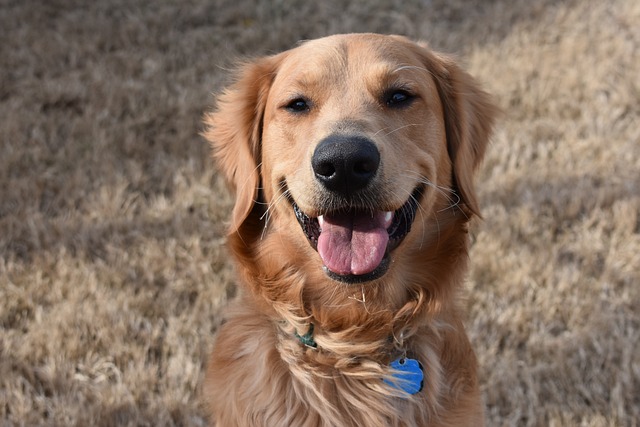 Puppies and seniors have different needs, and that’s where paying attention to life stages matters. A growing Golden puppy needs more calories and protein to support those fast-developing bones and playful zoomies—look for formulas labeled specifically for large-breed puppies to avoid overloading their joints. Older Goldens, on the other hand, might slow down a bit, so a lower-calorie food with glucosamine can help keep their hips and knees happy. It’s like adjusting their diet to match their lifestyle, just like we do for ourselves.
Here’s something easy to overlook: checking the label for no-nos. Avoid foods with artificial colors, flavors, or preservatives—they don’t add any nutrition and can upset sensitive stomachs. And while it’s tempting to share table scraps, some human foods are risky. Grapes, onions, and even too much garlic can be harmful, so stick to treats made for dogs, or ask your vet what’s safe to sneak in. Also, make sure the brand you pick meets regional pet food standards—regulations here are strict for a reason, and choosing a food that’s tested and approved helps keep your pup out of trouble, legally and health-wise.
Many owners wonder about homemade meals, and while it’s possible to make a balanced diet, it’s trickier than it looks. Golden Retrievers need a mix of protein, veggies, and certain vitamins that are easy to miss if you’re winging it. If you go that route, work with a vet or a pet nutritionist to put a plan together—they’ll make sure your pup isn’t missing out on key nutrients, which is way better than guessing.
At the end of the day, the best food for your Golden is one that keeps them healthy, active, and excited for mealtime. It might take a little trial and error—some pups are picky about fish, others turn their nose up at certain grains—but watching them thrive makes it worth it. Keep an eye on their energy levels, their coat, and how they digest their food, and don’t hesitate to chat with your vet if you’re unsure. After all, those big, loving dogs deserve the very best.
Let’s be real: It’s a sticky August morning in Los Angeles, and you took your 2-year-old Golden Retriever, Max, for a walk a little later than usual

You're enjoying a summer afternoon at the park when you notice your dog has stopped panting and appears disoriented - their gums are bright red

Let’s paint the picture: You’re in your Denver apartment, watching your 4-year-old Boston Terrier, Ruby, plop down mid-play session with her favorite toy

Many dog owners notice their pets nails seem shorter after regular walks,but how much does this daily activity actually help?The answer depends on where you walk—concrete sidewalks or asphalt streets gently file nails as a dog's paws hit the ground
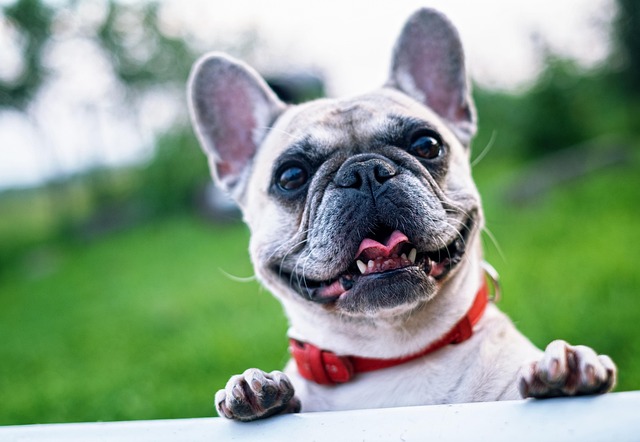
Most dog owners notice their pup scooting across the carpet at some point, but few connect it to impacted anal glands. These small sacs near a dog’s rectum secrete a scent for marking territory

Most vets agree that regular dog teeth cleaning is key to avoiding painful dental issues later. For healthy adult dogs, a professional cleaning at the vet’s office every 12 to 18 months usually works well.