
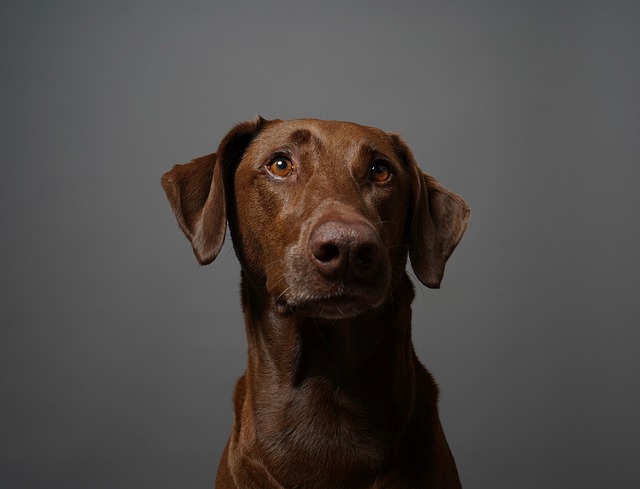
What is glaucoma in a dog?
You might notice your dog squinting more at mealtime or avoiding bright sunlight—these small changes could be early signs of a serious eye condition.
During the days spent with our dogs, we eagerly hope that they will always be healthy and happy, wagging their tails and staying by our side. However, the shadow of illness sometimes quietly looms, and infection is one of the common threats to a dog's health. When we notice that our dog is listless, has a decreased appetite, or shows some abnormal symptoms, and we suspect that it is infected, every dog lover's heart will be filled with worry and anxiety. At this moment, we are eager to know what is the best thing to give our dogs to fight the infection and help them regain their former vitality as soon as possible.
When a dog is infected, antibiotics are often the first choice for treatment. Antibiotics can inhibit or kill the bacteria causing the infection and have a remarkable therapeutic effect on bacterial infections. But the use of antibiotics is by no means arbitrary and must be carried out under the professional guidance of a veterinarian. Different types of bacteria have different sensitivities to various antibiotics. Veterinarians will accurately determine the type of bacteria infecting the dog through various examination methods, such as bacterial culture and drug sensitivity tests, so as to precisely select the most effective antibiotic. For example, for common skin infections, if they are caused by staphylococci, penicillins or cephalosporins may be selected; if it is a urinary tract infection caused by Escherichia coli, fluoroquinolone antibiotics may be more appropriate. During the period of giving antibiotics to the dog, we must administer the medicine strictly according to the dosage and course prescribed by the veterinarian. We should not stop the medicine without permission just because the dog's symptoms are slightly relieved. Otherwise, it may lead to the bacteria developing drug resistance, making subsequent treatment more difficult. Every time we give the dog medicine and see its somewhat reluctant but obedient appearance when taking it, our hearts are filled with both distress and the expectation that it will recover soon.
 In addition to antibiotics, nutritional supplements also play an indispensable role in a dog's fight against infection. When a healthy dog is infected, its body's metabolism will speed up, and its demand for nutrients will increase significantly. High-quality protein is crucial for repairing damaged tissues and enhancing immunity. We can choose dog food rich in high-quality animal protein, such as dog food products made mainly from chicken, beef, fish, etc. At the same time, add some nutritional supplements appropriately, such as pet-specific compound preparations of vitamins and minerals. Vitamin C has antioxidant effects, which can enhance the dog's immunity and help it better cope with the infection; the B vitamins are of great significance for maintaining the normal function of the dog's nervous system and metabolism. Zinc, among the minerals, is involved in the synthesis of many enzymes and plays a key role in the normal operation of the immune system. When preparing food for the dog, we can mix these nutritional supplements into the dog food according to the instructions. Watching the dog eat heartily, we seem to see its body gradually regaining its strength.
For a dog's infection, sometimes some adjuvant treatment methods are also needed to relieve the symptoms and improve its comfort. For example, when a dog coughs due to a respiratory tract infection, antitussive drugs can relieve its cough symptoms and allow it to breathe more smoothly. But again, the use of these drugs must follow the veterinarian's advice, and the dosage must be strictly controlled. If the dog has itching symptoms due to a skin infection, we can, under the guidance of the veterinarian, use some topical anti-itch ointments and gently apply them to the infected area to help the dog relieve the discomfort. During this process, we can truly feel the pain that the dog is suffering. Every time we apply the ointment and give the medicine to the dog, it is an expression of our deep love for it, and we hope that through these actions, we can ease its pain a little.
Water, a seemingly ordinary but extremely important substance, also plays a key role when a dog is fighting an infection. Infections often cause the dog to have a fever, and the body loses water more quickly. Adequate water intake can help the dog maintain its normal metabolism and promote the excretion of waste from the body. We should always ensure that the dog has clean and fresh drinking water available at any time. Some dogs may not be very interested in drinking water when they are sick. At this time, we can try some small tricks, such as using a shallow dish to hold the water so that the dog can lick it more easily; or slightly heating the water to make it emit a more attractive smell. Watching the dog take the initiative to drink water, we will also feel a trace of relief in our hearts, because it means that its body is trying to repair itself.
During this difficult period of the dog's infection, our company and love are irreplaceable. Dogs can keenly sense our emotions, and our company and gentle strokes can give them great spiritual comfort. When the dog is listlessly lying in its nest, we sit beside it, gently stroke its head, and talk to it softly, letting it know that it is not alone. This kind of emotional support can, to a certain extent, enhance the dog's confidence in defeating the disease. Every time we make eye contact with the dog, we can see its desire for health, and it also strengthens our determination to provide it with the best treatment.
When a dog is invaded by an infection, what we give it is a comprehensive "treatment package", including the precise use of antibiotics, sufficient nutritional supplements, appropriate adjuvant treatment, adequate water, and endless company and love. These are all the best things to give a dog to fight the infection. They cooperate with each other, like a carefully planned battle, jointly helping the dog to repel the disease and regain its former liveliness and happiness.
You might notice your dog squinting more at mealtime or avoiding bright sunlight—these small changes could be early signs of a serious eye condition.
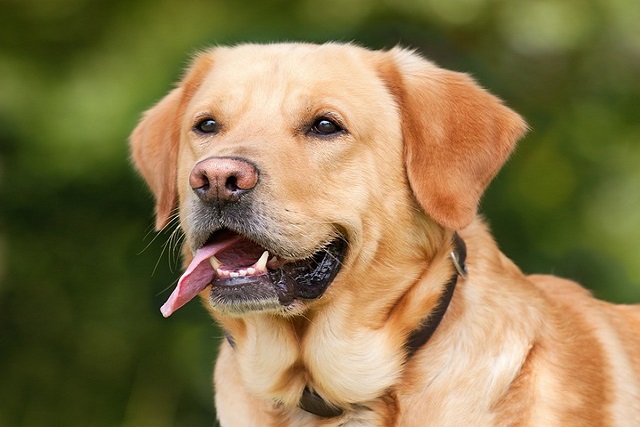
Let’s set the scene: It’s a sweltering Phoenix afternoon—105°F outside—and you rushed your 2-year-old Lab mix, Cooper, on a quick walk to “get it over with.”

Let’s get real: You’re in your Miami apartment, watching your 3-year-old Corgi, Loki, struggle to climb the stairs to your second-floor unit.
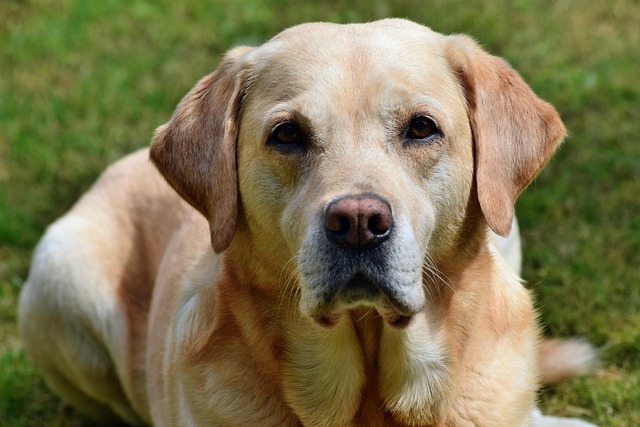
Many dog owners brush off occasional scratching as just “dog behavior,” but persistent itching often signals something more—like a food allergy.
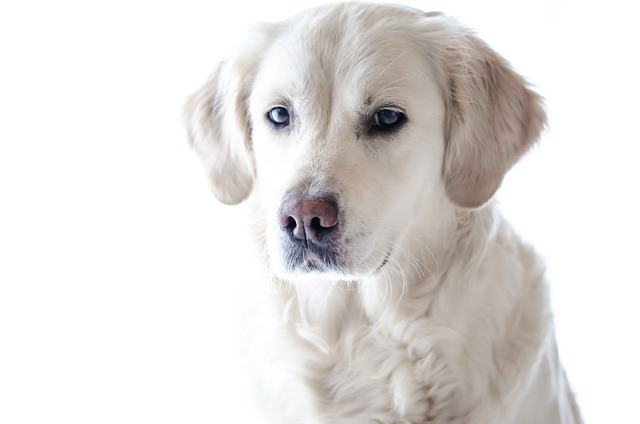
You might first notice your dog scratching more than usual—chewing at their paws until the fur looks thin, or rubbing their face against the couch nonstop.

Let’s be real: You’re standing in your Chicago apartment, watching your 3-year-old Beagle, Max, huff and puff just to climb onto the couch.