

How do i train my dog to be obedient?
Watching your dog dart across the park ignoring your calls isn’t just frustrating—it can put them at risk near busy streets or public spaces.
Training a dog to stay isn’t just about teaching a trick—it’s about building trust that keeps them safe, especially in busy neighborhoods where loose dogs might violate local leash laws. Start with short sessions in a quiet room, like your living room while you fold laundry, so there are fewer distractions. Hold a treat close to their nose, then slowly step back while saying “stay” in a calm, firm voice. If they stay even for a second, immediately give them the treat and lots of praise—positive reinforcement works way better than scolding here.
As they get better at staying for a few seconds, gradually extend the time and add small distractions, like dropping a toy nearby. But never push them too fast; if they break the stay, just gently guide them back to their spot and try again with a shorter time. It’s also important to practice in different places, like your backyard or a quiet park, so they learn to stay no matter where they are. Just remember, many areas have laws about keeping dogs under control in public spaces, so a reliable “stay” isn’t just helpful—it’s often required to stay compliant.

Always end training sessions on a good note, even if it means going back to a shorter stay they can handle. Dogs pick up on frustration, so keeping things fun helps them look forward to learning. If you’re struggling, try using a favorite toy instead of treats—some dogs respond better to play as a reward. And don’t forget, consistency is key: everyone in your household should use the same “stay” command and rules, so your dog doesn’t get confused.
Keep in mind that every dog learns at their own pace. A young puppy might only stay for a few seconds at first, while an older dog might catch on more quickly. Be patient and celebrate every small win, whether it’s a 10-second stay or ignoring a passing squirrel. Following local laws isn’t just about avoiding fines—it’s about keeping your dog, other people, and other pets safe. A well-trained “stay” can prevent your dog from running into the street or approaching someone who isn’t comfortable around dogs.
By focusing on positive reinforcement, consistency, and gradual practice, you’ll build a strong “stay” command that works in any situation. Not only will this make daily life easier—like when you’re grabbing the mail or greeting a neighbor—it will also give you peace of mind knowing your dog is safe and compliant with local rules. Training should be a bonding experience, so take the time to enjoy those little moments when your dog nails that stay and looks up at you proudly. That trust and connection are just as important as the command itself.
Watching your dog dart across the park ignoring your calls isn’t just frustrating—it can put them at risk near busy streets or public spaces.

New puppy owners often find themselves rushing to clean up accidents before they set in, and that’s where puppy pad training becomes a game-changer.

If you've noticed your dog's waistline disappearing and your veterinarian has mentioned those few extra pounds, your first instinct might be to simply reduce the amount of food in their bowl.

Training a dog to use a designated spot indoors isn’t as daunting as many new owners fear, but it does take consistency and an understanding of your pet’s needs.

That moment of dread on a walk is all too familiar for many new dog owners. You see another dog approaching down the sidewalk of your neighborhood
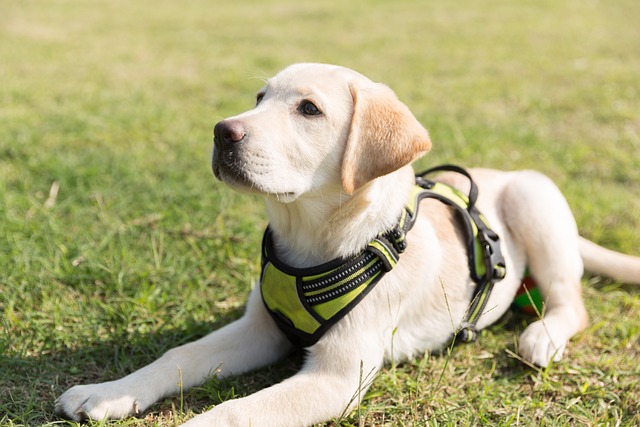
If the sight of another dog on your neighborhood walk makes your heart sink as your own dog erupts into a frenzy of barking and lunging, you're not alone.