
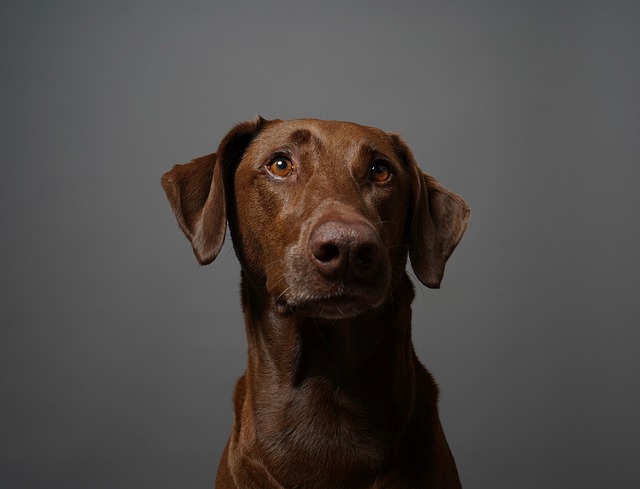
What is glaucoma in a dog?
You might notice your dog squinting more at mealtime or avoiding bright sunlight—these small changes could be early signs of a serious eye condition.
When you see a dog that is usually lively and active suddenly limping, or frequently lifting its hind legs and not daring to touch the ground, the owner's heart often tightens instantly. After being diagnosed with patellar luxation, the worry and heartache are even more difficult to express in words. Patellar luxation is a common joint disease in dogs, especially in small dogs. Faced with this question, "What is the best way to treat patellar luxation in dogs" has become the most urgent answer for the owner to know. This is not only about whether the dog can get rid of the pain, but also carries the owner's earnest expectation for their health and happiness.
Before discussing the best treatment method, we need to understand the grading of patellar luxation, because different degrees of severity correspond to different treatment strategies. According to the grading standards commonly used in veterinary clinics, patellar luxation can be divided into four levels. The first-grade patellar dislocation has the mildest symptoms. The dog will occasionally have a slight lameness. The patella will only occasionally move out of its normal position and can be reset by itself. When the patella is dislocated in the second grade, the dog will lame more frequently, and the patella needs external help to reset after dislocation. Dogs with third-grade patellar dislocation have obvious lameness symptoms, the muscles around the knee joint begin to atrophy, and the patellar dislocation occurs more frequently. The fourth-grade patellar dislocation is the most serious. The patella is in a dislocated state for a long time, and the structure of the knee joint has changed significantly. The dog can hardly walk normally, which seriously affects the quality of life.
For dogs with first-grade and some second-grade patellar dislocation, non-surgical treatment is a more appropriate initial choice. The core of non-surgical treatment is to reduce the burden on joints, increase muscle strength and relieve pain. Weight control is the top priority, because obesity will put more pressure on already fragile joints and aggravate the symptoms of dislocation. The owner needs to strictly manage the dog's diet, choose low-calorie, high-nutrition professional prescription food, accurately control the amount of food per meal, and reduce the feeding of snacks. Imagine that the owner carefully weighs the food every day just to help the dog lose weight and relieve joint pressure. Behind this persistence is full of love.
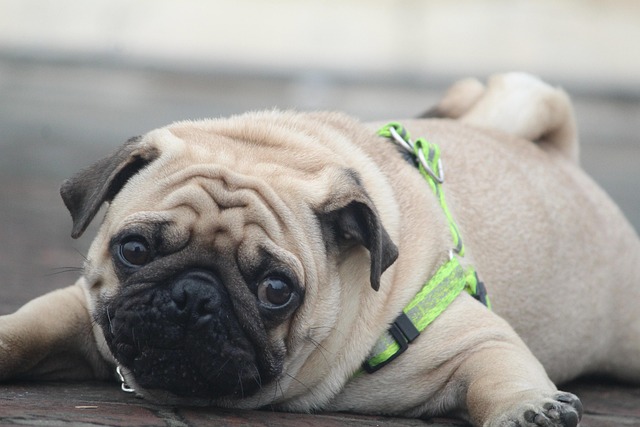 Moderate exercise is also very important for such dogs, but avoid strenuous exercise, such as long-term running, jumping, and going up and down stairs. Gentle exercise, such as slow walking on soft grass and swimming in the water, can help dogs exercise their leg muscles. Strong muscles can better fix joints and share the pressure of joints, just like putting on a layer of solid armor for the joints. In addition, physical therapy such as hot compresses and massage can also play a positive role. Hot compresses can promote blood circulation around the joints and relieve muscle tension; massage can enhance muscle flexibility and relieve pain and discomfort in dogs. The owner gently massages the dog's leg joints with warm hands, and every touch is a care and love for them. In the process of non-surgical treatment, drug assistance is also indispensable. The veterinarian may prescribe painkillers and chondroprotectants to help dogs relieve pain and repair damaged joint cartilage.
However, for dogs with grade III and IV patellar luxation, and grade II patellar luxation whose symptoms do not improve after non-surgical treatment, surgical treatment is usually a better choice and the hope for them to return to normal life. The purpose of surgery is to correct the position of the patella and restore the normal structure and function of the knee joint through various technical means, such as trochlear groove deepening, medial joint capsule tightening, tibial tubercle displacement, etc. Trochlear groove deepening is like re-building a more suitable "track" for the patella so that the patella can slide stably in it; medial joint capsule tightening increases the stability of the joint by tightening the loose joint capsule; tibial tubercle displacement can adjust the pulling direction of the muscle to return the patella to the correct position. The surgical procedure is complex and delicate, and requires experienced veterinarians to perform.
In addition to the treatment method itself, the owner's companionship and care throughout the treatment process also plays a vital role in the dog's recovery. Whether choosing non-surgical treatment or surgical treatment, dogs need the owner to give enough patience and care. During the non-surgical treatment period, the owner should help the dog control its weight, do moderate exercise and physical therapy day after day; after the surgical treatment, the owner should take good care of the dog during the recovery period, closely observe its physical condition, and promptly discover and deal with possible problems. When the owner sees the dog gradually recover from the pain under his careful care, smiles happily again, and can walk and play normally, all the efforts of the owner become extremely worthwhile.
There is no absolutely unified "best way" to treat dog patellar luxation. Instead, it is necessary to comprehensively consider the specific condition, physical condition and actual situation of the dog and choose the most suitable plan. Whether it is the long-term persistence of non-surgical treatment or the decisive decision of surgical treatment, the owner's deep love for the dog is condensed behind it. In this fight against the disease, the owner and the dog always fight side by side. As long as you don't give up and use scientific methods and full of love to take good care of the dog, you will definitely be able to help the dog overcome the disease and embrace a healthy and happy life again.
You might notice your dog squinting more at mealtime or avoiding bright sunlight—these small changes could be early signs of a serious eye condition.
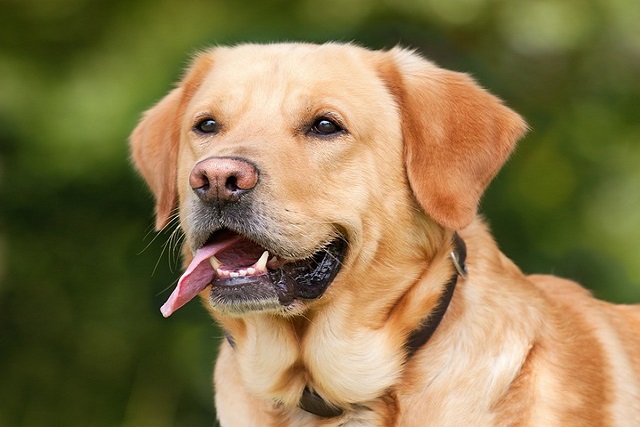
Let’s set the scene: It’s a sweltering Phoenix afternoon—105°F outside—and you rushed your 2-year-old Lab mix, Cooper, on a quick walk to “get it over with.”
Let’s get real: You’re in your Miami apartment, watching your 3-year-old Corgi, Loki, struggle to climb the stairs to your second-floor unit.
Many dog owners brush off occasional scratching as just “dog behavior,” but persistent itching often signals something more—like a food allergy.
You might first notice your dog scratching more than usual—chewing at their paws until the fur looks thin, or rubbing their face against the couch nonstop.
Let’s be real: You’re standing in your Chicago apartment, watching your 3-year-old Beagle, Max, huff and puff just to climb onto the couch.