
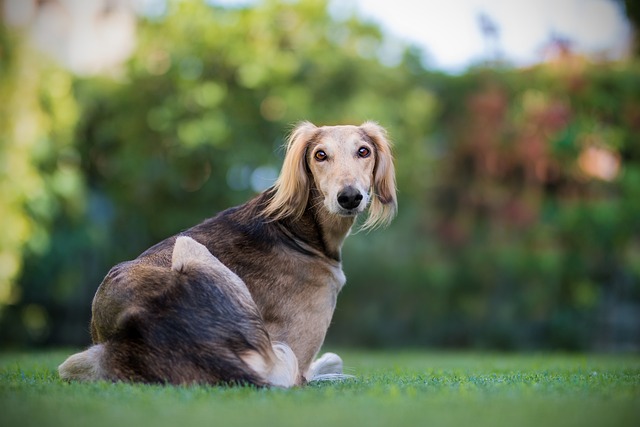
How do i train my dog to be obedient?
Watching your dog dart across the park ignoring your calls isn’t just frustrating—it can put them at risk near busy streets or public spaces.
Dreaming of a puppy that trots straight to the designated potty spot? While every furball is unique, some breeds come pre-wired for quick house training wins. Skip the endless carpet clean-ups and chewed-up pee pads—let’s explore which pups are naturals at mastering the art of indoor cleanliness.
Breeds bred for intelligence and eagerness to please often top the list. Border Collies, known for their herding prowess, thrive on routine and positive reinforcement. They pick up cues in no time, whether it’s a specific potty word or a bell system by the door. Just remember, these high-energy dogs need plenty of mental and physical exercise—neglecting that can lead to unwanted indoor accidents.
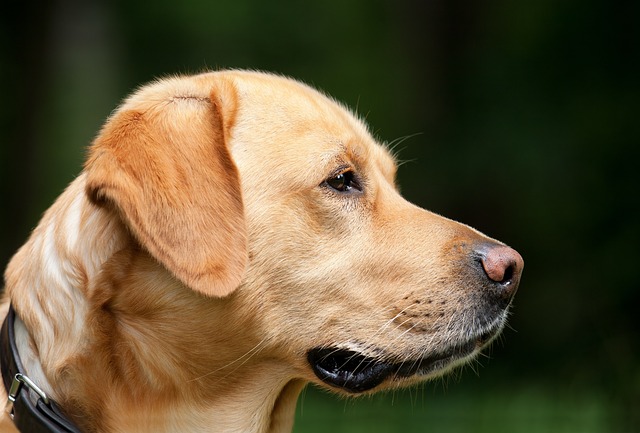
Labrador Retrievers, America’s favorite pooch for a reason, are gentle giants with a people-pleasing streak. Their laid-back nature makes them receptive to consistent training methods. Establishing a strict feeding and bathroom schedule from day one usually does the trick. And don’t forget—positive reinforcement like treats and belly rubs work wonders on these affectionate companions.
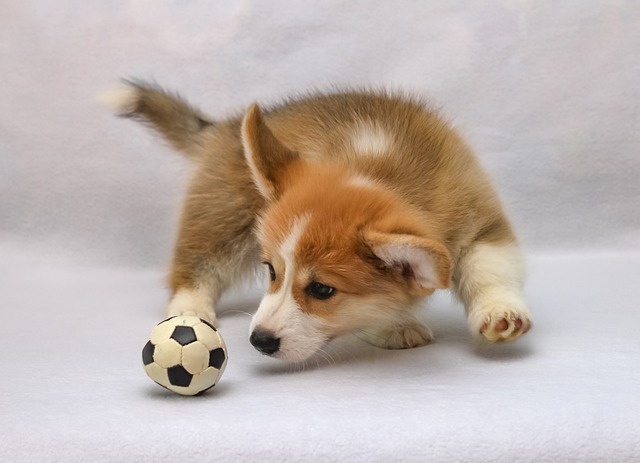 Poodles aren’t just for fancy haircuts; their hypoallergenic coats and sharp minds make them ideal candidates for easy housebreaking. Whether standard, miniature, or toy, these dogs respond well to clicker training. Pair short, frequent training sessions with clear commands, and you’ll have a potty-trained pro in no time. Just be cautious of any regional breed-specific regulations that might impact ownership.
Before choosing a breed based on trainability alone, consider local animal welfare laws. Some regions restrict certain breeds or require additional permits. Adoption shelters often have mixed-breed puppies with excellent temperaments—these mutts can surprise you with their adaptability and eagerness to learn. Plus, giving a rescue pup a home comes with its own unique rewards.
Consistency trumps breed every time. Regardless of which puppy steals your heart, maintaining a regular routine is key. Take them outside every hour, after naps, playtime, and meals. Celebrate successes immediately, and avoid scolding accidents—dogs learn best through positive associations. If you’re struggling, consult a certified dog trainer who follows humane, reward-based methods.
Finding the “easiest” puppy for house training isn’t about breed perfection—it’s about compatibility. Whether you opt for a brainy Border Collie or a cuddly Lab mix, remember that patience and love go a long way. With the right approach, your new furry family member will quickly become a model indoor citizen, filling your home with joy instead of messes.
Watching your dog dart across the park ignoring your calls isn’t just frustrating—it can put them at risk near busy streets or public spaces.
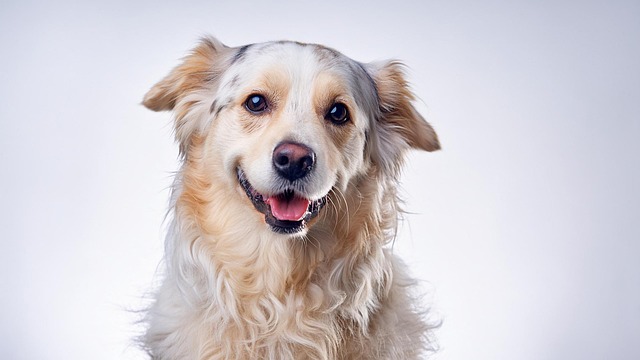
New puppy owners often find themselves rushing to clean up accidents before they set in, and that’s where puppy pad training becomes a game-changer.
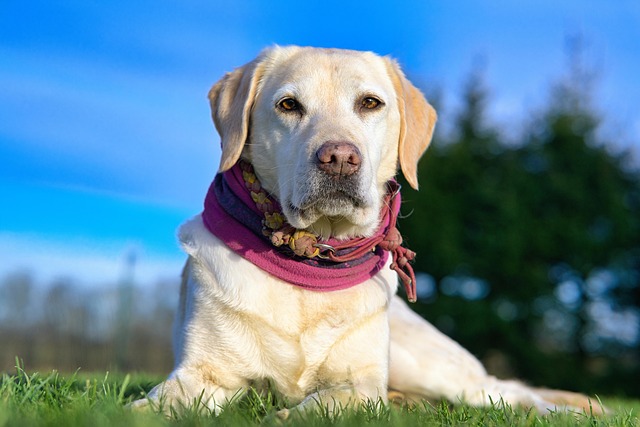
If you've noticed your dog's waistline disappearing and your veterinarian has mentioned those few extra pounds, your first instinct might be to simply reduce the amount of food in their bowl.

Training a dog to use a designated spot indoors isn’t as daunting as many new owners fear, but it does take consistency and an understanding of your pet’s needs.
That moment of dread on a walk is all too familiar for many new dog owners. You see another dog approaching down the sidewalk of your neighborhood
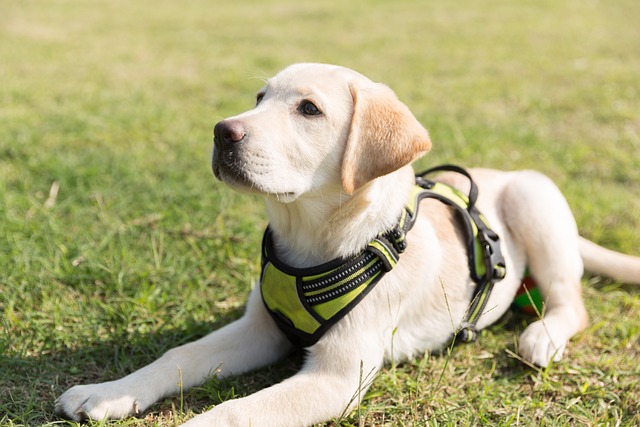
If the sight of another dog on your neighborhood walk makes your heart sink as your own dog erupts into a frenzy of barking and lunging, you're not alone.