
How do i train my dog to be obedient?
Watching your dog dart across the park ignoring your calls isn’t just frustrating—it can put them at risk near busy streets or public spaces.
Everyone wants the fastest way to potty train their new puppy, and while no method is truly instant, the most efficient path to success is a combination of intense supervision, a predictable schedule, and relentless positive reinforcement. The secret isn't a magic product; it's your commitment to being observant and consistent, turning your puppy's natural instincts into good habits that stick. Think of it less as "training" and more about proactively managing their biology before an accident has a chance to happen.
The science behind speed is understanding your puppy's internal clock. They have a primal instinct not to soil their den (or crate), but their bladder muscles are still developing, giving them very little warning. The fastest method leverages this by using a crate for short, supervised naps and implementing a strict schedule that preempts their need to go. This entire process is built on a foundation of positive reinforcement—rewarding the exact behavior you want. It is non-negotiable to avoid any form of punishment for accidents. Yelling, rubbing their nose in it, or showing frustration are not only culturally unacceptable and potentially reportable in many communities, but they are also scientifically proven to be counterproductive, often leading to a fearful dog who hides to eliminate.

Your action plan is a minute-by-minute strategy for the first few weeks. Your puppy must go out immediately upon waking up, after every meal, after every play session, and at least every 45 minutes to an hour in between. Take them to the exact same spot in your yard or on your walk; the scent will trigger their need to go. The moment they finish eliminating, mark it with a cheerful "Yes!" and reward them with an ultra-high-value treat they only get for this. For apartment dwellers, this means setting phone alarms and being prepared for multiple trips downstairs, even at night. This upfront effort protects your hardwood floors and apartment security deposit and is far faster than constantly cleaning up accidents.
This intensive training exists within a framework of legal and community responsibility. Adhering to your puppy's vaccination schedule is paramount; until your vet gives the all-clear, avoid public dog parks and high-traffic pet areas to protect them from parvovirus. And the moment you step into the public sphere, your civic duty begins. This means always, without exception, carrying a roll of biodegradable bags. Cleaning up after your dog immediately is not just a courtesy; it is a strict legal requirement in virtually every U.S. city and European municipality. Being the neighbor who always scoops is the fastest way to ensure that all dogs—and their owners—remain welcome in the community.
Watching your dog dart across the park ignoring your calls isn’t just frustrating—it can put them at risk near busy streets or public spaces.
New puppy owners often find themselves rushing to clean up accidents before they set in, and that’s where puppy pad training becomes a game-changer.
If you've noticed your dog's waistline disappearing and your veterinarian has mentioned those few extra pounds, your first instinct might be to simply reduce the amount of food in their bowl.

Training a dog to use a designated spot indoors isn’t as daunting as many new owners fear, but it does take consistency and an understanding of your pet’s needs.
That moment of dread on a walk is all too familiar for many new dog owners. You see another dog approaching down the sidewalk of your neighborhood
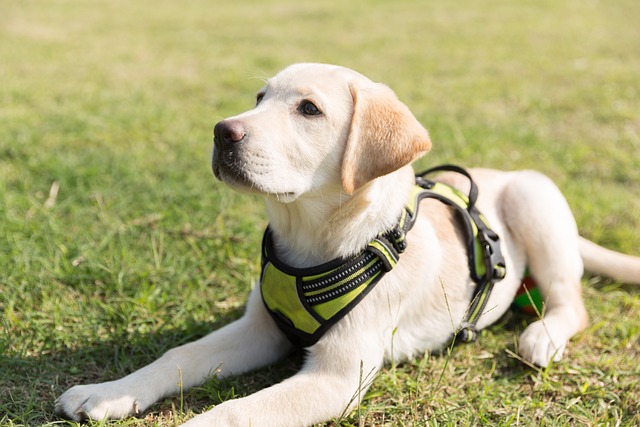
If the sight of another dog on your neighborhood walk makes your heart sink as your own dog erupts into a frenzy of barking and lunging, you're not alone.