

How do i train my dog to be obedient?
Watching your dog dart across the park ignoring your calls isn’t just frustrating—it can put them at risk near busy streets or public spaces.
Bringing home a wiggly puppy means endless tail wags, chewed slippers, and a million questions—especially when it comes to training. New owners often fixate on "sit" or "stay," but there’s one command that lays the groundwork for safety, trust, and even legal compliance. It’s the one that could stop your pup from darting into a busy street, chasing a stray cat into a neighbor’s yard, or wandering too far in an off-leash park. That command? "Come."
Think about it: A reliable "come" can turn a heart-stopping moment into a quick, easy recall. Whether you’re at the park, hiking a trail, or simply unloading groceries, having your puppy race back to you on cue isn’t just convenient—it’s critical. Many local laws require dogs to be under control in public spaces, and a dog that ignores a recall might land you in hot water, not to mention putting them at risk. A squirrel, a passing bike, or a sudden loud noise could send them bolting; being able to call them back instantly keeps everyone safer.
Starting with "come" makes sense because it builds a foundation of communication. Puppies thrive on connection, and this command teaches them that running to you means good things—treats, pets, maybe a game of tug. Begin small: call their name, say "come" in a bright, excited tone, and reward them crazy with their favorite treat when they reach you. Do this during quiet moments at home first—maybe while they’re exploring the living room or after a nap.
 As they get the hang of it, mix in distractions. Try calling them when they’re sniffing a new toy or when you’re across the backyard. Keep the energy positive; if they hesitate, take a step back and clap softly to spark their curiosity. Never scold them for taking their time—you want "come" to feel like an invitation, not a punishment. Over time, they’ll learn that racing to you means good stuff, even when the world around them is full of interesting things.
This isn’t just about obedience. It’s about building a bond that keeps them safe. Picture a bustling sidewalk where a door slams, startling your pup—if they know to come when you call, you avoid a scramble. Or a picnic in the park where someone drops a hot dog bun—recalling them quickly prevents begging (and potential stomachaches). In many areas, being able to reliably call your dog is part of being a responsible owner, aligning with community guidelines that keep public spaces enjoyable for everyone.
Training takes patience, of course. Some days they’ll zoom right over; other days, a blade of grass will seem far more interesting. That’s okay. Keep sessions short—two or three minutes, a few times a day—and end on a high note. The goal isn’t perfection; it’s a consistent understanding that your voice means "let’s stick together."
Mastering "come" turns every walk, every play session, into a chance to strengthen your bond. It’s the first step in a language only the two of you share—one that keeps them safe, keeps you compliant, and makes every adventure feel a little more secure.
Watching your dog dart across the park ignoring your calls isn’t just frustrating—it can put them at risk near busy streets or public spaces.

New puppy owners often find themselves rushing to clean up accidents before they set in, and that’s where puppy pad training becomes a game-changer.

If you've noticed your dog's waistline disappearing and your veterinarian has mentioned those few extra pounds, your first instinct might be to simply reduce the amount of food in their bowl.

Training a dog to use a designated spot indoors isn’t as daunting as many new owners fear, but it does take consistency and an understanding of your pet’s needs.

That moment of dread on a walk is all too familiar for many new dog owners. You see another dog approaching down the sidewalk of your neighborhood
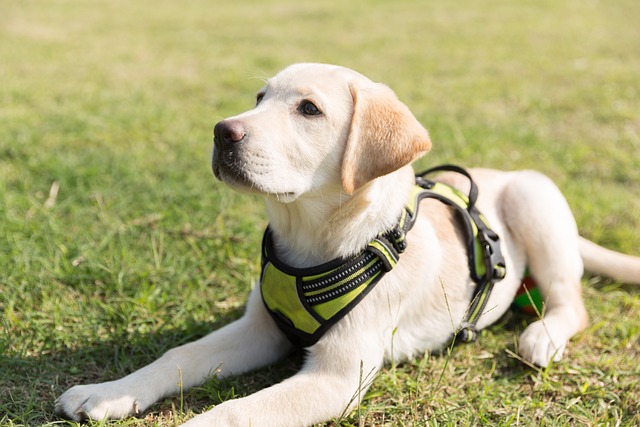
If the sight of another dog on your neighborhood walk makes your heart sink as your own dog erupts into a frenzy of barking and lunging, you're not alone.