
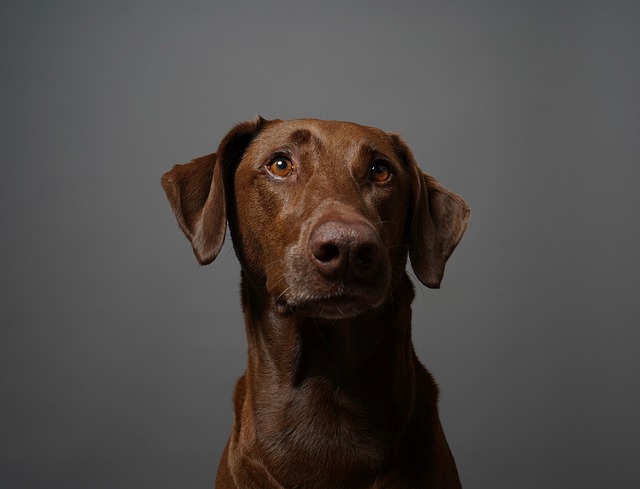
What is glaucoma in a dog?
You might notice your dog squinting more at mealtime or avoiding bright sunlight—these small changes could be early signs of a serious eye condition.
Spotting the early signs of parvovirus in your dog can feel like deciphering a scary puzzle. This highly contagious virus preys on unvaccinated or immunocompromised pups, and catching it early can be the difference between a fight and a heartbreaking loss. Trust your gut—if something feels “off” about your dog, you’re probably right.
Most cases start with subtle changes in behavior. A usually energetic dog might suddenly seem listless, curling up in a corner instead of greeting you at the door. They may lose interest in playtime or ignore their favorite toys. This lethargy isn’t just a case of laziness; it’s your dog’s body signaling that something serious is wrong.
Digestive distress often follows closely behind. Watch for sudden vomiting, especially if it persists or happens after eating even small amounts. Diarrhea is another red flag—parvo typically causes foul-smelling, bloody stools that can quickly lead to dehydration. These symptoms not only indicate infection but also pose a public health risk; parvovirus can survive in soil and on surfaces for months, putting other dogs in the neighborhood at risk.
 In many regions, local animal control laws require pet owners to isolate sick animals promptly to prevent disease spread. If you suspect parvo, keeping your dog away from public parks, doggy daycares, and other pets isn’t just responsible—it’s the law. Contact your vet immediately; they’ll likely recommend an in-person exam and diagnostic tests, like a fecal analysis or rapid antigen test.
Don’t dismiss a slight fever as a passing thing. A temperature above 103°F (39.4°C) in dogs is cause for concern, especially when paired with other symptoms. Shivering, weakness, or a refusal to drink water are also early warning signs that shouldn’t be ignored. Remember, puppies and senior dogs are particularly vulnerable, so extra vigilance is crucial.
While home remedies might seem tempting, parvo demands professional treatment. IV fluids to combat dehydration, antibiotics to fight secondary infections, and strict isolation are standard protocols. Some areas offer financial assistance programs or low-cost veterinary clinics for pet emergencies, so don’t hesitate to ask if cost is a barrier.
Preventing parvo is far easier than treating it. Ensuring your dog’s vaccinations are up to date isn’t just a good idea—it’s often a legal requirement in many communities. Puppies typically need a series of shots starting at six weeks old, with boosters throughout their life. Regularly cleaning your dog’s bowls, toys, and bedding also helps reduce the risk of exposure.
Catching parvo early gives your dog the best chance at recovery. Every minute counts, so don’t second-guess yourself. Your dog depends on you to be their advocate, and seeking veterinary care at the first sign of trouble could save their life. The road to recovery might be tough, but with proper treatment and lots of love, many dogs beat this vicious virus and bounce back stronger than ever.
You might notice your dog squinting more at mealtime or avoiding bright sunlight—these small changes could be early signs of a serious eye condition.
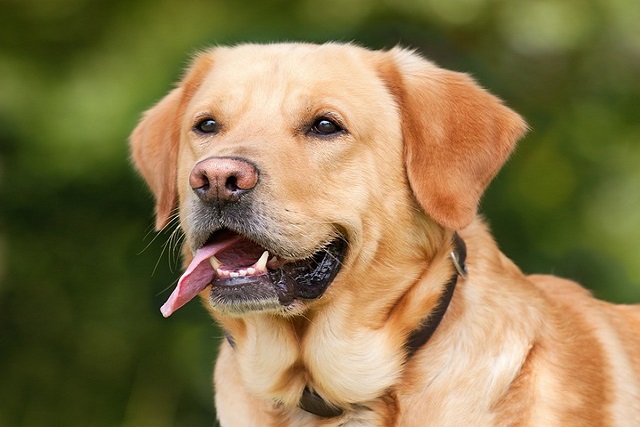
Let’s set the scene: It’s a sweltering Phoenix afternoon—105°F outside—and you rushed your 2-year-old Lab mix, Cooper, on a quick walk to “get it over with.”
Let’s get real: You’re in your Miami apartment, watching your 3-year-old Corgi, Loki, struggle to climb the stairs to your second-floor unit.
Many dog owners brush off occasional scratching as just “dog behavior,” but persistent itching often signals something more—like a food allergy.
You might first notice your dog scratching more than usual—chewing at their paws until the fur looks thin, or rubbing their face against the couch nonstop.
Let’s be real: You’re standing in your Chicago apartment, watching your 3-year-old Beagle, Max, huff and puff just to climb onto the couch.