

How can I tell if my dog's heatstroke is serious
Let’s be real: It’s a sticky August morning in Los Angeles, and you took your 2-year-old Golden Retriever, Max, for a walk a little later than usual
To understand what affects our older dogs most deeply, we need to look at the quiet changes that come with time. As dogs enter their senior years—usually around 7 or 8 for larger breeds, later for smaller ones—their bodies start to slow down, just like ours. What ends up being the biggest threat? Organ failure, particularly in the kidneys and heart. It’s a reality that vets see daily, and one that hits close to home for anyone who’s watched a gray-muzzled companion slow down.
These organs work overtime through a dog’s life, filtering toxins, pumping blood, keeping everything in balance. By the time a dog is senior, years of wear and tear start to show. Kidneys lose their ability to concentrate urine, leading to increased thirst and fatigue. Hearts, after decades of beating, may weaken, making it harder to keep up on walks or even lie comfortably. These issues don’t happen overnight; they creep in, often so gradually that it’s easy to mistake them for “just getting old.”
That’s the tricky part. A senior dog sleeping more isn’t always a sign of age—it could be a kidney struggling to keep up. Panting after short walks might feel normal, but it might signal a heart working too hard. Many owners brush these off, thinking it’s just part of aging, but that delay can make all the difference. Catching these changes early gives vets a chance to manage the condition, sometimes extending quality life for months or even years.
 Regular vet checkups aren’t just a good idea—they’re a cornerstone of responsible care. Most places require certain health checks to keep pets healthy, and staying on top of these appointments helps catch organ issues before they become critical. A simple blood test can show kidney function; a stethoscope might pick up a heart murmur that’s easy to miss at home. Skipping these visits isn’t just risky for your dog—it can run against guidelines that prioritize animal welfare, which matter for both your pet’s health and staying on the right side of local regulations.
Cancer gets a lot of attention, and rightfully so—it’s a leading cause too. But organ failure edges it out as the most common, partly because it’s more closely tied to the natural aging process. Cancer can strike suddenly, but kidneys and hearts degrade over time, making them the silent majority in senior dog health struggles. Even so, both underscore the same truth: noticing the small shifts in behavior is key.
Watching for those shifts becomes second nature when you’ve shared years with a dog. Does he hesitate before jumping on the couch? Is her food bowl left half-full more often? These aren’t just signs of slowing down—they’re clues. Sharing them with your vet, sticking to recommended checkups, and adjusting care as needed can turn those clues into extra time together.
Our senior dogs give us so much—unwavering loyalty, quiet comfort, endless joy. Understanding what threatens their later years isn’t about fear; it’s about love. It’s about showing up, noticing, and doing what we can to keep them by our side a little longer. That’s the best way to honor the life they’ve shared with us.
Let’s be real: It’s a sticky August morning in Los Angeles, and you took your 2-year-old Golden Retriever, Max, for a walk a little later than usual

You're enjoying a summer afternoon at the park when you notice your dog has stopped panting and appears disoriented - their gums are bright red

Let’s paint the picture: You’re in your Denver apartment, watching your 4-year-old Boston Terrier, Ruby, plop down mid-play session with her favorite toy

Many dog owners notice their pets nails seem shorter after regular walks,but how much does this daily activity actually help?The answer depends on where you walk—concrete sidewalks or asphalt streets gently file nails as a dog's paws hit the ground
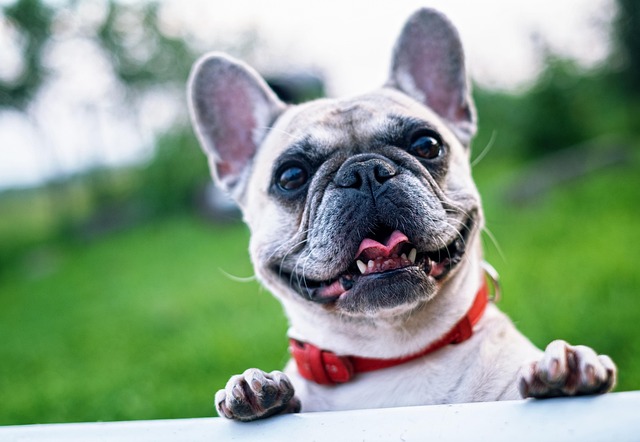
Most dog owners notice their pup scooting across the carpet at some point, but few connect it to impacted anal glands. These small sacs near a dog’s rectum secrete a scent for marking territory

Most vets agree that regular dog teeth cleaning is key to avoiding painful dental issues later. For healthy adult dogs, a professional cleaning at the vet’s office every 12 to 18 months usually works well.