
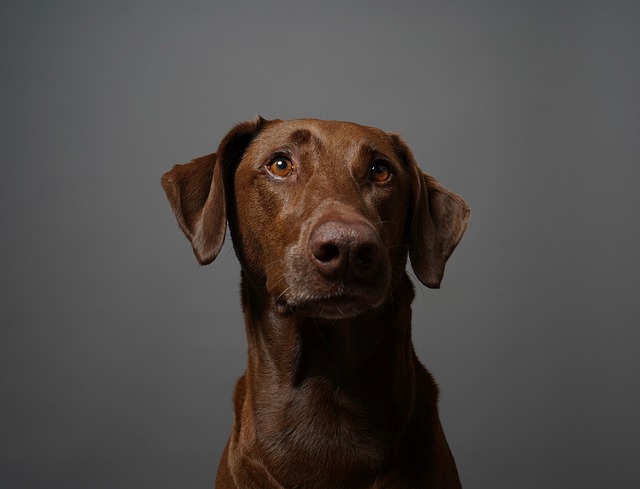
What is glaucoma in a dog?
You might notice your dog squinting more at mealtime or avoiding bright sunlight—these small changes could be early signs of a serious eye condition.
You’ve just caught your retriever puppy, Luna, shredding your favorite sneakers in your Seattle apartment. As you rescue the mangled remains, you wonder: "What can I give her to chew that actually cleans her teeth?" The pet store aisle overwhelms – from Himalayan yak chews to neon rubber toys. Not all chews are created equal, and some popular choices risk cracked teeth or blockages. Let’s cut through the noise with science-backed solutions.
Chewing mechanically scrubs plaque off teeth – but only if the texture and resistance are just right. Effective canine dental chews must be softer than enamel yet firm enough to reach gumlines. Veterinary Oral Health Council (VOHC) approval is your gold standard; these products undergo clinical trials proving they reduce tartar by 15-20%. Avoid anything harder than your fingernail: antlers, bones, and hooves fracture molars, leading to painful root canals. Similarly, rawhide poses choking and intestinal blockage risks, especially in eager chewers. Ideal options balance safety and efficacy: rubber toys with nubs (like Kong Dental Stick), enzymatic dental chews (CET VeggieDent), or fibrous vegetables like chilled carrot sticks for small dogs.
Start smartly with Luna. For puppies under 6 months, choose flexible rubber toys – their developing teeth are fragile. Introduce VOHC-approved chews like Purina Dentalife after adult teeth erupt. Supervise every chew session: a piece breaking off in your Chicago high-rise could mean an emergency vet trip. Size matters too; a chew smaller than Luna’s muzzle risks choking. Freeze rubber toys with dog-safe peanut butter for gum-soothing relief during teething. If she loses interest quickly, rotate chews weekly to maintain novelty – dogs, like humans, get bored with repetition.

Beyond safety, responsible dog chew selection ties into US pet ownership norms. Luna’s chewing obsession might stem from pent-up energy – fulfilling her legal exercise requirements (like leashed walks in Portland’s parks) reduces destructive chewing. Always carry waste bags; remnants of dental chews left on sidewalks violate local ordinances. Culturally, never punish Luna for grabbing forbidden items – redirect her to an appropriate chew and praise enthusiastically. In apartments, avoid noisy hard chews; neighbors in NYC thin-walled buildings won’t appreciate midnight antler gnawing. Store chews securely – a determined Lab could tear through containers, ingesting dangerous chunks while you’re grocery shopping.
Ultimately, choosing teeth-cleaning chews aligns with modern animal welfare: preventing pain trumps convenience. Pair VOHC-approved products with annual vet dental checks (required under anesthesia in all states with current rabies vaccines) and gentle brushing. Whether Luna’s chasing balls in Austin backyards or napping in Boston studios, smart chewing habits protect her smile and your peace of mind. When in doubt? Your vet knows Luna’s bite best.
You might notice your dog squinting more at mealtime or avoiding bright sunlight—these small changes could be early signs of a serious eye condition.
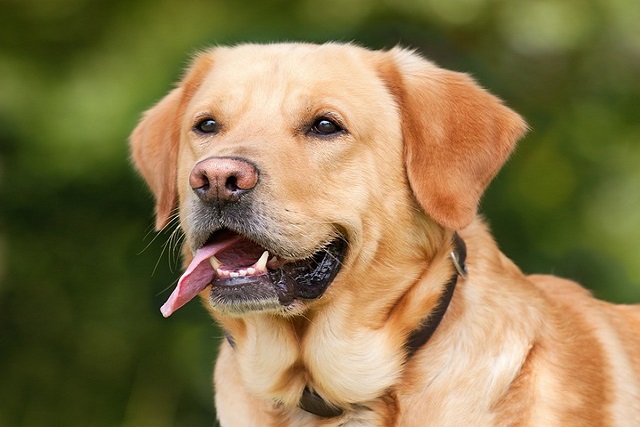
Let’s set the scene: It’s a sweltering Phoenix afternoon—105°F outside—and you rushed your 2-year-old Lab mix, Cooper, on a quick walk to “get it over with.”

Let’s get real: You’re in your Miami apartment, watching your 3-year-old Corgi, Loki, struggle to climb the stairs to your second-floor unit.

Many dog owners brush off occasional scratching as just “dog behavior,” but persistent itching often signals something more—like a food allergy.
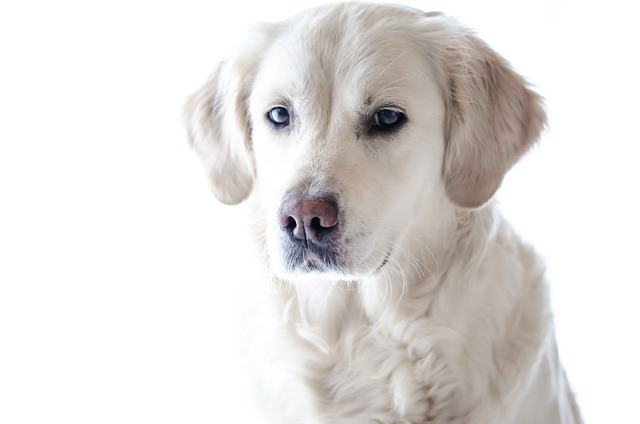
You might first notice your dog scratching more than usual—chewing at their paws until the fur looks thin, or rubbing their face against the couch nonstop.

Let’s be real: You’re standing in your Chicago apartment, watching your 3-year-old Beagle, Max, huff and puff just to climb onto the couch.