
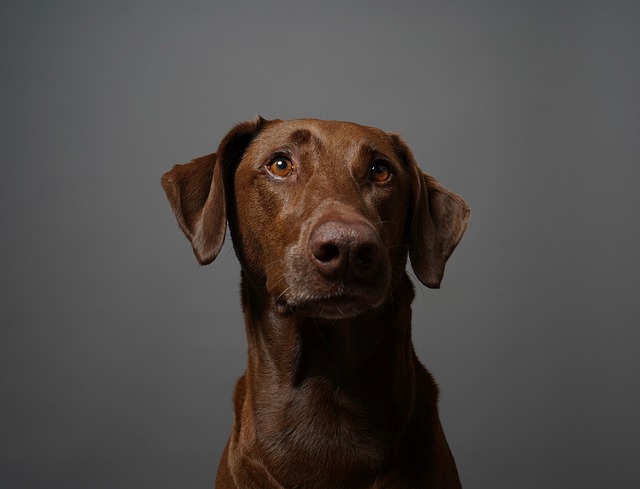
What is glaucoma in a dog?
You might notice your dog squinting more at mealtime or avoiding bright sunlight—these small changes could be early signs of a serious eye condition.
Arthritis in dogs creeps in quietly, turning once-easy movements into stiff, painful efforts. That slow limp up the stairs, the hesitation before jumping on the couch—these aren’t just signs of aging. They’re often clues to a condition that affects millions of pups, and understanding its root can make all the difference in keeping your companion comfortable.
The single biggest culprit behind canine arthritis is chronic joint wear and tear, a slow, cumulative process that grinds down cartilage over time. Cartilage acts as a cushion between bones, and when it breaks down, bones rub against each other, causing inflammation, pain, and stiffness. This isn’t a sudden injury but a gradual erosion, often worsened by everyday pressures we might overlook.
Excess weight accelerates this breakdown more than anything else. It’s easy to slip into giving extra treats during cozy evenings or skipping a walk on busy days, but those small choices add up. A few extra pounds puts massive strain on joints—each additional kilo increases pressure on hips, knees, and elbows by three to five times. In neighborhoods where outdoor spaces vary, from city apartments to suburban yards, ensuring regular activity while monitoring portions matters; even a 10% weight reduction can cut joint stress dramatically.
Breed and genetics play a role, but they’re rarely the main driver. Large breeds like Labradors or German Shepherds have more joint mass to support, making them prone to wear, but even small dogs aren’t immune. What connects them is the slow, steady damage from carrying more weight than their joints can handle, compounded by years of movement without proper support.
 Acute injuries—like a twisted knee during a park chase or a hard fall—can also plant the seeds for arthritis later. If a joint heals improperly, the cartilage never fully regains its strength, leaving it vulnerable to future breakdown. That’s why prompt vet care after an injury isn’t just about easing immediate pain; it’s about protecting their mobility for years to come, a step many local guidelines encourage as part of responsible pet ownership.
Prevention starts with small, daily choices. Keeping portion sizes in check, even when those puppy eyes beg for more, reduces unnecessary strain. Regular, low-impact exercise—like gentle walks or swimming, popular in many communities—keeps joints flexible without overdoing it. Annual vet check-ups, a standard part of pet care in most regions, can catch early signs of wear before pain sets in, allowing for adjustments in diet or activity.
Watching your dog struggle with arthritis is heart-wrenching, but knowing the root cause empowers you to act. It’s not about blame—it’s about love: choosing that extra walk over a second treat, scheduling that check-up, and noticing when their step isn’t quite right. Their joints carry more than their weight—they carry the joy of every fetch, every cuddle, every adventure. Protecting them means preserving those moments for years to come.
You might notice your dog squinting more at mealtime or avoiding bright sunlight—these small changes could be early signs of a serious eye condition.
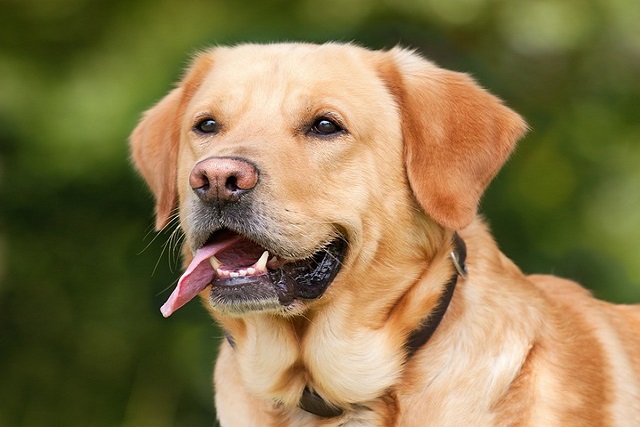
Let’s set the scene: It’s a sweltering Phoenix afternoon—105°F outside—and you rushed your 2-year-old Lab mix, Cooper, on a quick walk to “get it over with.”
Let’s get real: You’re in your Miami apartment, watching your 3-year-old Corgi, Loki, struggle to climb the stairs to your second-floor unit.
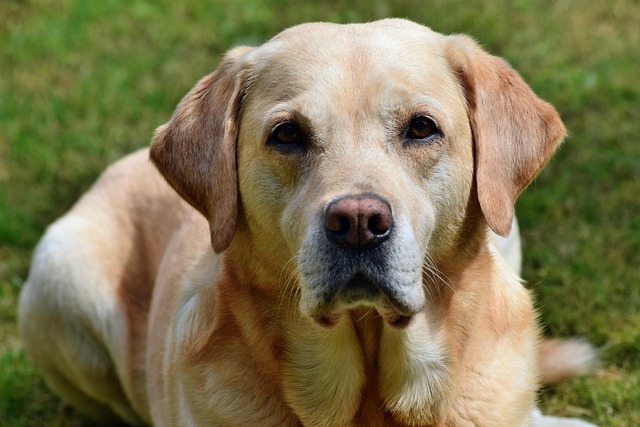
Many dog owners brush off occasional scratching as just “dog behavior,” but persistent itching often signals something more—like a food allergy.
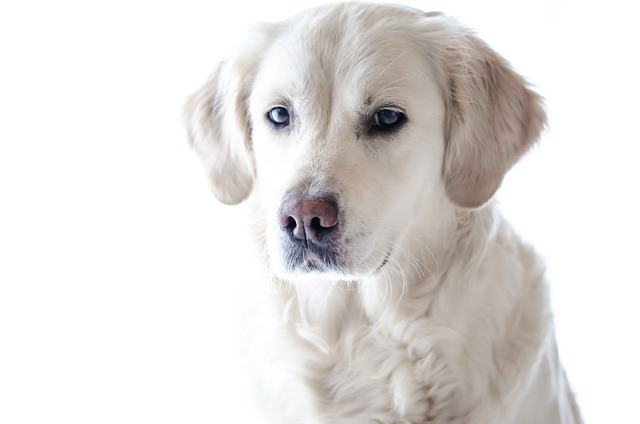
You might first notice your dog scratching more than usual—chewing at their paws until the fur looks thin, or rubbing their face against the couch nonstop.
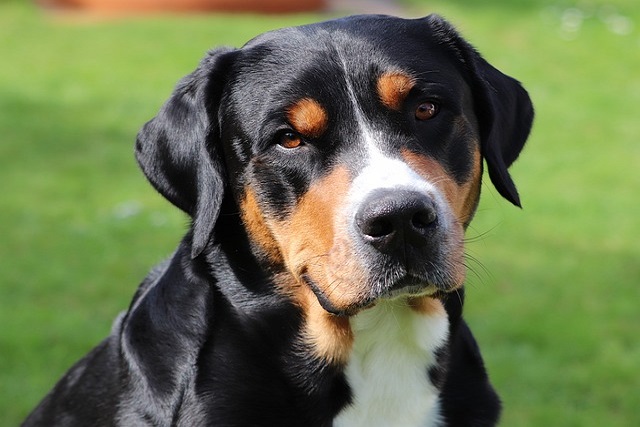
Let’s be real: You’re standing in your Chicago apartment, watching your 3-year-old Beagle, Max, huff and puff just to climb onto the couch.