

How can I tell if my dog's heatstroke is serious
Let’s be real: It’s a sticky August morning in Los Angeles, and you took your 2-year-old Golden Retriever, Max, for a walk a little later than usual
We’ve all been there—watching your Beagle, Daisy, shake her head violently after a splash in the pond, and that urge to grab a cotton swab hits hard. Hold it right there. What seems like a quick fix could rupture her eardrum or shove debris deeper into her delicate ear canal. That J-shaped tunnel isn’t just quirky anatomy; it’s a dirt trap that demands gentle know-how. Understanding common missteps protects Daisy from pain and your wallet from vet bills.
First up: never invade the ear canal. Cotton swabs, tweezers, or even your fingernail risk puncturing tissue or packing wax against the eardrum. Instead, master safe ear handling. Lift the ear flap gently under bright light. Spot redness, dark gunk, swelling, or a sour odor? Skip DIY—this means infection. For harmless wax near the visible opening, use a gauze pad barely dampened with warm water (avoid alcohol or vinegar—they strip natural oils). Wrap it around your finger, wipe only what you see, and move outward. If Daisy pulls away, stop. Wrestling her builds fear, turning ear checks into nightmares. That’s where positive reinforcement grooming saves the day: pair every calm touch with chicken bits, making inspections a happy ritual.
Apartment life adds twists. That "emergency wipe" with a baby wipe after a rainy walk in Seattle? Resist it. Fragrances and alcohol sting sensitive ears. Tuck vet-approved wipes in your dog-walking bag instead. Do a visual sweep outside your building post-walk—it prevents frantic ear-shaking in shared hallways (your neighbors will thank you!). Community rules tie directly to health: scooping poop isn’t just polite; it’s law in cities like Portland ($300 fines!), and using a short leash near sidewalk cafes prevents tangles. Yanking Daisy’s collar when she lunges? That jerks her neck and strains ear tissue. Lure her back with treats. Culturally, remember that rough handling isn’t just frowned upon—in states like Colorado, forcing a terrified dog during grooming could violate animal welfare statutes. Patience is non-negotiable.

Over-cleaning is another silent offender. Scrubbing healthy ears weekly strips protective wax, causing irritation. Stick to monitoring and wiping only visible dirt. Ignoring moisture is equally risky—after beach trips in Miami, towel-dry the outer ear thoroughly. Humid air turns damp ears into yeast factories. And never self-prescribe. That "homemade garlic oil remedy" from a forum? It can worsen infections. Trust only vet-approved solutions.
Being a responsible U.S. owner means blending smart home care with legal basics: keep rabies vaccines current (federally mandated), license Daisy locally, and obey leash laws. Knowing these dog ear cleaning risks shields Daisy’s health and keeps you compliant. When ears seem "off," skipping the vet is the ultimate mistake—what looks mild could hide a raging infection. Your veterinarian? They’re your co-pilot in ear health.
Let’s be real: It’s a sticky August morning in Los Angeles, and you took your 2-year-old Golden Retriever, Max, for a walk a little later than usual

You're enjoying a summer afternoon at the park when you notice your dog has stopped panting and appears disoriented - their gums are bright red

Let’s paint the picture: You’re in your Denver apartment, watching your 4-year-old Boston Terrier, Ruby, plop down mid-play session with her favorite toy

Many dog owners notice their pets nails seem shorter after regular walks,but how much does this daily activity actually help?The answer depends on where you walk—concrete sidewalks or asphalt streets gently file nails as a dog's paws hit the ground
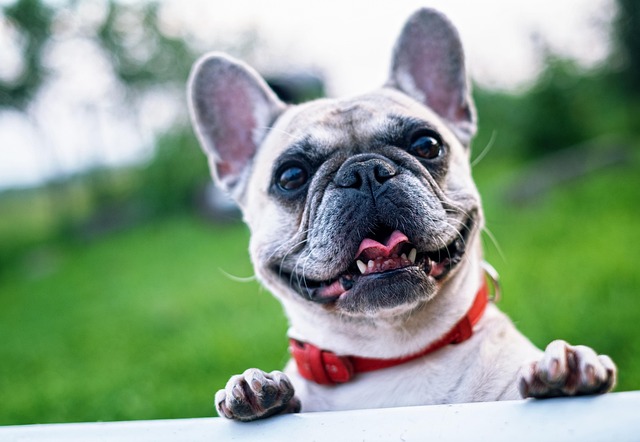
Most dog owners notice their pup scooting across the carpet at some point, but few connect it to impacted anal glands. These small sacs near a dog’s rectum secrete a scent for marking territory

Most vets agree that regular dog teeth cleaning is key to avoiding painful dental issues later. For healthy adult dogs, a professional cleaning at the vet’s office every 12 to 18 months usually works well.