

How do i train my dog to be obedient?
Watching your dog dart across the park ignoring your calls isn’t just frustrating—it can put them at risk near busy streets or public spaces.
Bringing your new puppy home is all excitement and cuddles until you realize you're responsible for teaching this tiny, furry tornado how to live in your world. With so many behaviors to teach, it's easy to feel overwhelmed. The absolute first thing you should train isn't a fancy trick; it's their name. This is the foundational building block for all future communication. A puppy who reliably responds to their name is a puppy you can call away from danger, engage with for training, and build a focused relationship with. The science behind this is simple: you're creating a powerful positive association. Every time they hear that sound and look at you, something wonderful happens. This builds value for paying attention to you, which is the single most important skill you can instill.
The training process is straightforward but requires consistency. Keep a stash of ultra-high-value treats—something small and smelly like diced chicken or cheese—on hand throughout the day. Say your puppy’s name in a clear, happy tone just once. The moment they turn their head or make eye contact, mark that behavior with a enthusiastic "Yes!" and immediately give them the treat. Practice this in short, 30-second sessions dozens of times a day, gradually adding very slight distractions, like when they're sniffing the floor a few feet away. The goal is to make their name the most interesting sound in their environment. This entire method is rooted in positive reinforcement, which is the modern, culturally expected standard for ethical training. It builds trust and willingness, establishing you as the source of all good things, not someone to be feared.
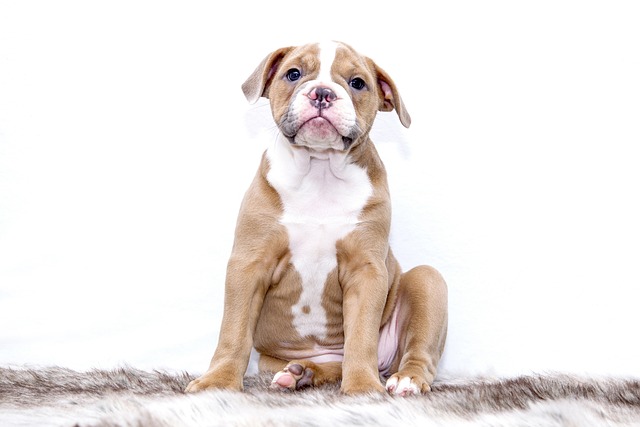
This fundamental training seamlessly integrates into the bigger picture of responsible puppy ownership. A puppy who knows their name will be easier to manage during their crucial socialization period before they are fully vaccinated. You can use their name to gently redirect them from chewing the furniture or to call them to you for a potty break, accelerating the house-training process. This management is especially key for apartment dwellers, where preventing nuisance behaviors like barking is part of being a good neighbor. Furthermore, this positive, reward-based approach to training reflects the same mindful attitude required for your legal duties: ensuring your puppy’s vaccinations, including the legally mandated rabies shot, are kept current, and always carrying waste bags to immediately clean up during potty outings. By starting with their name, you're not just teaching a cue; you're laying the groundwork for a well-mannered dog who is a joy to live with and a respectful member of your community.
Watching your dog dart across the park ignoring your calls isn’t just frustrating—it can put them at risk near busy streets or public spaces.
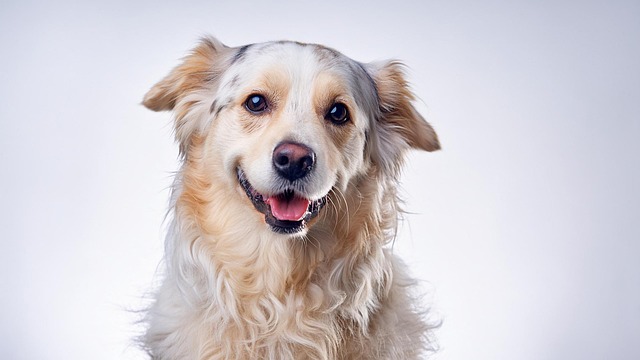
New puppy owners often find themselves rushing to clean up accidents before they set in, and that’s where puppy pad training becomes a game-changer.

If you've noticed your dog's waistline disappearing and your veterinarian has mentioned those few extra pounds, your first instinct might be to simply reduce the amount of food in their bowl.

Training a dog to use a designated spot indoors isn’t as daunting as many new owners fear, but it does take consistency and an understanding of your pet’s needs.
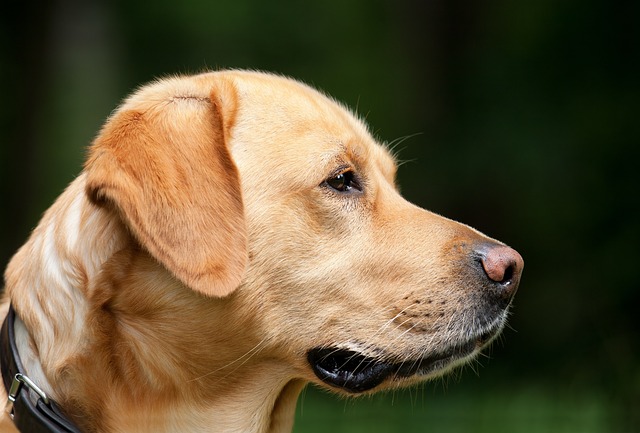
That moment of dread on a walk is all too familiar for many new dog owners. You see another dog approaching down the sidewalk of your neighborhood
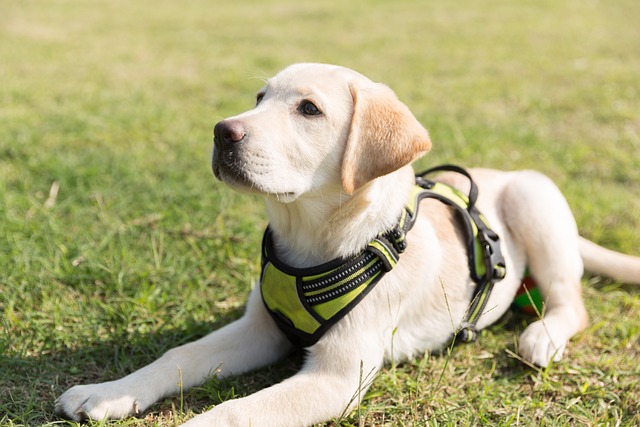
If the sight of another dog on your neighborhood walk makes your heart sink as your own dog erupts into a frenzy of barking and lunging, you're not alone.