

How can I tell if my dog's heatstroke is serious
Let’s be real: It’s a sticky August morning in Los Angeles, and you took your 2-year-old Golden Retriever, Max, for a walk a little later than usual
Dogs possess an extraordinary sense of smell that's approximately 10,000 to 100,000 times more sensitive than humans. This remarkable ability stems from having over 300 million olfactory receptors compared to our mere 6 million, plus a specialized organ called the vomeronasal organ that processes chemical information. Understanding which scents dogs naturally avoid can help pet owners create boundaries, protect valuable items, and manage behavioral issues without resorting to harsh training methods.
The smell dogs hate the most typically falls into the citrus family, with lemon, lime, and orange topping the list. Research conducted by veterinary behaviorists has consistently shown that most dogs exhibit strong avoidance behaviors when exposed to citrus scents. This aversion likely developed as an evolutionary protective mechanism, since many citrus fruits contain compounds that can be mildly toxic to canines in large quantities. The limonene and citric acid in these fruits create an overwhelming sensory experience that dogs instinctively want to escape.
Vinegar ranks as another universally disliked scent among dogs. The acetic acid produces a sharp, penetrating odor that can be detected by dogs from considerable distances. White vinegar, apple cider vinegar, and other varieties all trigger similar responses. What makes vinegar particularly effective as a deterrent is its persistence – the smell lingers much longer than many other scents, providing extended protection for areas where you don't want your dog to venture.
Essential oils present a more complex category of scents dogs dislike scientifically. Eucalyptus, peppermint, and tea tree oils consistently rank high on the list of dog-repelling fragrances. However, pet owners must exercise extreme caution with essential oils, as many can be toxic to dogs even in small amounts. The American Society for the Prevention of Cruelty to Animals warns that concentrated essential oils can cause respiratory irritation, skin reactions, and even liver damage in some cases.
Alcohol-based products also trigger strong negative reactions in most dogs. The sharp, medicinal smell of rubbing alcohol or hand sanitizer creates an immediate avoidance response. This makes sense from a survival perspective, as alcohol can be highly dangerous for dogs to consume. Even small amounts can cause vomiting, diarrhea, difficulty breathing, and in severe cases, coma or death.
Despite widespread belief, several common myths about dog smells need addressing. Many people assume that coffee grounds repel dogs, but this isn't consistently supported by scientific evidence. While some dogs may dislike the bitter smell of coffee, others show no aversion whatsoever. Additionally, the caffeine in coffee grounds poses serious health risks if ingested by dogs, making this a dangerous choice for a deterrent.
Another persistent myth involves using mothballs to keep dogs away from certain areas. This practice is not only ineffective for many dogs but also extremely dangerous. Mothballs contain chemicals like naphthalene or paradichlorobenzene, which can cause severe toxicity in pets, including anemia, liver damage, and neurological problems. The Environmental Protection Agency has issued warnings about using mothballs anywhere pets might access them.
The belief that dogs hate all perfumes and colognes is also oversimplified. While many dogs do react negatively to strong artificial fragrances, their responses vary significantly based on individual sensitivity and the specific compounds involved. Some dogs may be curious about certain perfumes, while others show indifference rather than active avoidance.
When implementing what smells repel dogs as part of your pet management strategy, safety should always be the primary concern. Dog-safe scent deterrents can be incredibly effective when used properly. Creating a citrus spray using fresh lemon or orange peels steeped in water provides a natural, non-toxic option. Simply boil the peels in water for 10-15 minutes, strain the liquid, and spray it on areas you want to protect.
White vinegar diluted with water in a 1:1 ratio creates another safe and effective deterrent. This solution works particularly well for preventing dogs from digging in gardens or accessing certain rooms. The smell dissipates for humans relatively quickly but remains detectable to dogs for much longer periods.
For outdoor applications, consider planting citrus-scented herbs like lemon balm or citronella around areas you want to keep dog-free. These plants provide natural, ongoing protection while adding beauty to your landscape. However, always research any plants thoroughly before introducing them to areas where your dog might have access, as some can be toxic if consumed.
Commercial dog repellent sprays offer convenience but require careful label reading. Look for products specifically formulated as dog-safe scent deterrents, avoiding anything containing essential oils in high concentrations. Many commercial products use natural citrus extracts or vinegar as their active ingredients, providing the effectiveness you need without the risks associated with homemade solutions using concentrated oils.
Understanding your individual dog's sensitivities is crucial for success. Some dogs may be more sensitive to certain scents than others, and what works for one dog might not work for another. Start with small amounts of any deterrent and observe your dog's reaction. If you notice excessive drooling, pawing at the nose, or respiratory distress, discontinue use immediately and consult your veterinarian.
Remember that scent deterrents work best as part of a comprehensive training approach rather than standalone solutions. Combining positive reinforcement training with strategic use of scents dogs naturally dislike creates the most effective and humane method for managing unwanted behaviors. Always ensure adequate ventilation when using any scent-based deterrents indoors, and never apply them directly to your dog's fur or skin.
By understanding the science behind canine olfactory preferences and implementing safe, effective strategies, American dog owners can successfully use natural scent deterrents to create harmonious living environments while keeping their four-legged family members safe and healthy.
Let’s be real: It’s a sticky August morning in Los Angeles, and you took your 2-year-old Golden Retriever, Max, for a walk a little later than usual

You're enjoying a summer afternoon at the park when you notice your dog has stopped panting and appears disoriented - their gums are bright red

Let’s paint the picture: You’re in your Denver apartment, watching your 4-year-old Boston Terrier, Ruby, plop down mid-play session with her favorite toy

Many dog owners notice their pets nails seem shorter after regular walks,but how much does this daily activity actually help?The answer depends on where you walk—concrete sidewalks or asphalt streets gently file nails as a dog's paws hit the ground
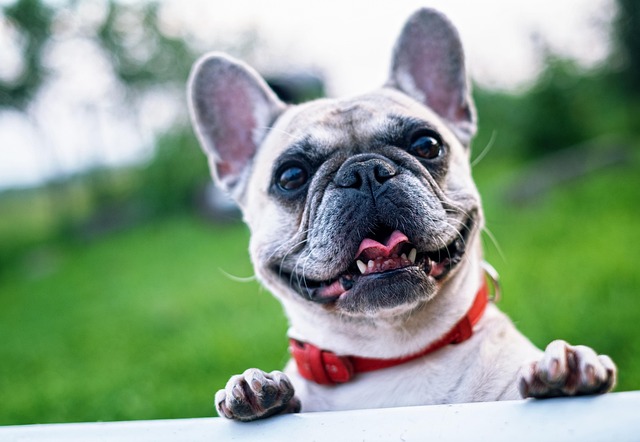
Most dog owners notice their pup scooting across the carpet at some point, but few connect it to impacted anal glands. These small sacs near a dog’s rectum secrete a scent for marking territory

Most vets agree that regular dog teeth cleaning is key to avoiding painful dental issues later. For healthy adult dogs, a professional cleaning at the vet’s office every 12 to 18 months usually works well.