
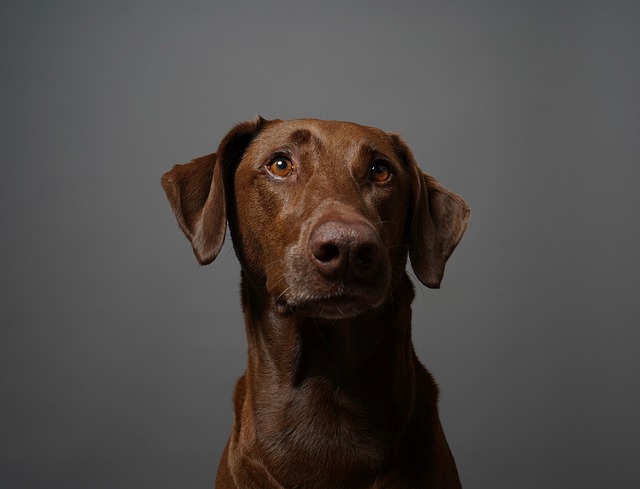
What is glaucoma in a dog?
You might notice your dog squinting more at mealtime or avoiding bright sunlight—these small changes could be early signs of a serious eye condition.
You're playing fetch with your golden retriever on a sunny afternoon when suddenly he collapses in the grass, vomiting a yellowish foam. His tongue hangs sideways as he pants uncontrollably - classic dog overheating symptoms that many owners mistake for normal tiredness. Unlike humans, dogs can't sweat through their skin; they rely on panting and limited sweat glands in their paws to regulate temperature. When this system fails, their core temperature rises dangerously fast, sometimes reaching 109°F (43°C) - hot enough to cook organs.
Early signs of dog heatstroke often get overlooked because they mimic regular exertion. Watch for brick-red gums instead of healthy pink, thick drool ropes hanging from the mouth, or a dazed expression where your dog seems to look right through you. Some breeds like bulldogs or pugs show these warning signs faster due to their shortened airways. Vomiting signals the body's emergency protocol - it's dumping stomach contents to redirect blood flow to vital organs. If you see undigested food or bile at this stage, the overheating has progressed beyond mild distress.
When you spot these red flags, move your dog to a tile floor or shaded grass immediately. Drape a cool (not ice-cold) towel over their neck and groin where major blood vessels sit - this cools the blood circulating through their body. Offer small licks of electrolyte-enhanced water or ice cubes to lick, but don't force drinking if they're disoriented. Many owners make the mistake of using ice baths, but sudden temperature drops can send dogs into shock. Instead, use a spray bottle with room-temperature water to mist their paw pads and ear flaps while fanning them gently.
Certain situations demand veterinary intervention regardless of home efforts. If your dog's vomit contains coffee-ground-like specks (digested blood), if they can't stand without swaying, or if their gums turn pale or purple, rush to the nearest animal ER. Heatstroke can trigger disseminated intravascular coagulation (DIC) where blood clots form abnormally - a condition requiring IV fluids and plasma transfusions. Don't waste time trying more home remedies for dog overheating when you see these critical signs; survival rates drop sharply after 90 minutes of sustained high fever.
Preventing heat-related vomiting starts with understanding your dog's limits. Schedule walks during early mornings or after sunset in summer months, and always carry a collapsible silicone bowl. Asphalt retains heat longer than air temperature - place your palm on pavement for seven seconds; if it's uncomfortable for you, it's burning your dog's paws. Create cool zones at home with elevated mesh beds and frozen Kong toys stuffed with wet kibble. For outdoor adventures, try cooling vests with evaporative technology, but remember these work best when paired with shade and airflow rather than direct sunlight exposure.
You might notice your dog squinting more at mealtime or avoiding bright sunlight—these small changes could be early signs of a serious eye condition.
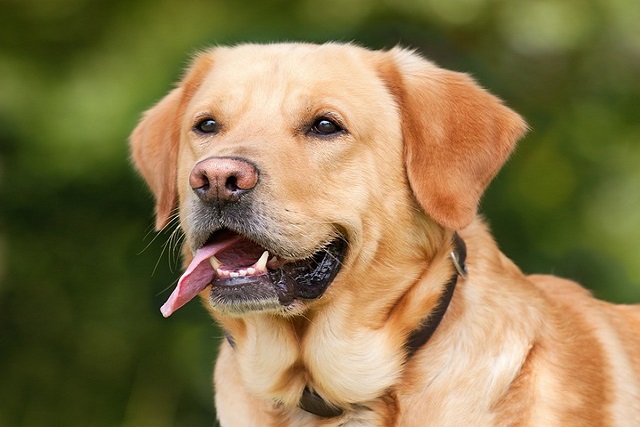
Let’s set the scene: It’s a sweltering Phoenix afternoon—105°F outside—and you rushed your 2-year-old Lab mix, Cooper, on a quick walk to “get it over with.”
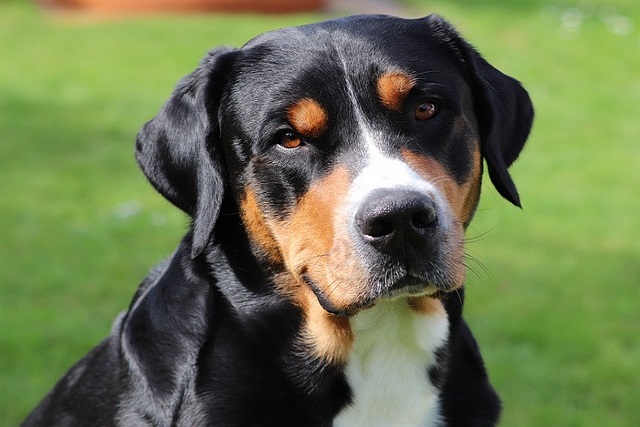
Let’s get real: You’re in your Miami apartment, watching your 3-year-old Corgi, Loki, struggle to climb the stairs to your second-floor unit.
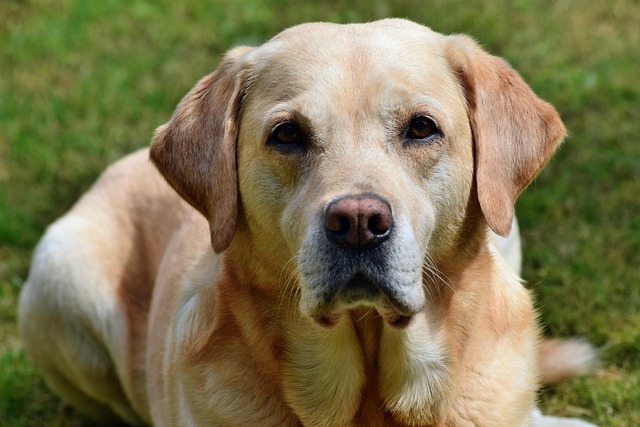
Many dog owners brush off occasional scratching as just “dog behavior,” but persistent itching often signals something more—like a food allergy.
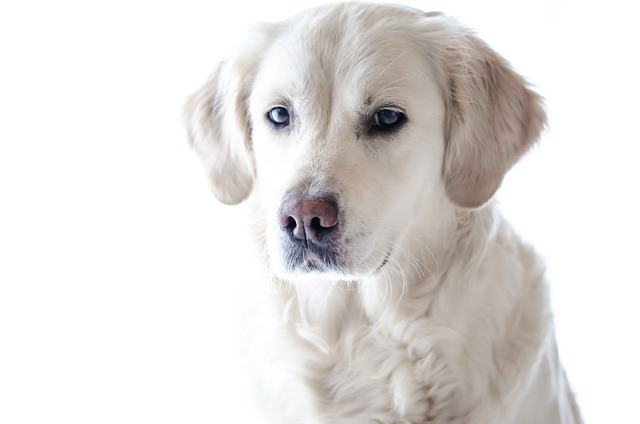
You might first notice your dog scratching more than usual—chewing at their paws until the fur looks thin, or rubbing their face against the couch nonstop.
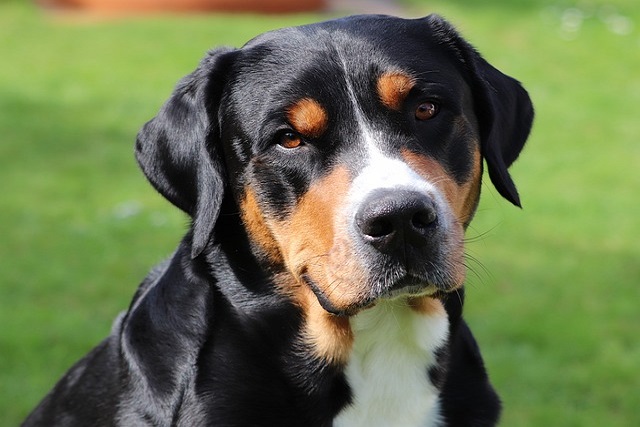
Let’s be real: You’re standing in your Chicago apartment, watching your 3-year-old Beagle, Max, huff and puff just to climb onto the couch.