

How can I tell if my dog's heatstroke is serious
Let’s be real: It’s a sticky August morning in Los Angeles, and you took your 2-year-old Golden Retriever, Max, for a walk a little later than usual
Watching your pup turn up their nose at medication can feel like a daily battle, especially when their health depends on it. Maybe they back away when they see the pill bottle, or spit out the tablet the second you think they’ve swallowed. It’s frustrating, but you’re not alone—vets across Europe and North America hear this complaint daily.
Start by checking the medication’s form. Many pills can be crushed and mixed into wet food, but always ask your vet first. Some coatings protect stomachs, and breaking them could reduce effectiveness. In the UK, for example, vets often recommend hiding tablets in small chunks of cheese or peanut butter—just avoid xylitol, which is toxic to dogs and banned in some EU countries.
Timing matters too. Offer medicine when your dog is relaxed, not right after play or a walk. A calm moment, maybe after a short cuddle, makes them less likely to resist. And never chase them around the house—that only turns it into a stressful game they’ll want to repeat.
 If your dog still refuses, consider a pill pocket. These treats are designed to hide medication, and they’re widely available in pet stores across the US and Europe. Just make sure the size matches your dog—small breeds need smaller pockets to avoid choking risks, a point emphasized in EU pet safety guidelines.
Remember, forcing a dog to take medicine can damage trust and even lead to accidental injury. If they clamp their mouth shut, prying it open might cause them to bite out of fear. Instead, take a break and try again later. For liquid meds, use a syringe to squirt the dose gently into the side of their mouth, aiming for the gap between cheek and teeth—this avoids triggering their gag reflex.
Always check local regulations too. Some medications require a vet’s prescription in certain countries, and sharing meds between dogs is illegal in many places, including most US states and EU nations. Your vet can also suggest alternative forms, like chewable tablets or transdermal gels, which might be easier for your pup to accept.
At the end of the day, patience is key. Every dog is different, and what works for a golden retriever in Canada might not work for a terrier in Germany. Stay calm, keep trying different methods, and consult your vet if you’re stuck—their expertise can turn a frustrating routine into a quick, stress-free task for both you and your furry friend.
Let’s be real: It’s a sticky August morning in Los Angeles, and you took your 2-year-old Golden Retriever, Max, for a walk a little later than usual

You're enjoying a summer afternoon at the park when you notice your dog has stopped panting and appears disoriented - their gums are bright red

Let’s paint the picture: You’re in your Denver apartment, watching your 4-year-old Boston Terrier, Ruby, plop down mid-play session with her favorite toy

Many dog owners notice their pets nails seem shorter after regular walks,but how much does this daily activity actually help?The answer depends on where you walk—concrete sidewalks or asphalt streets gently file nails as a dog's paws hit the ground
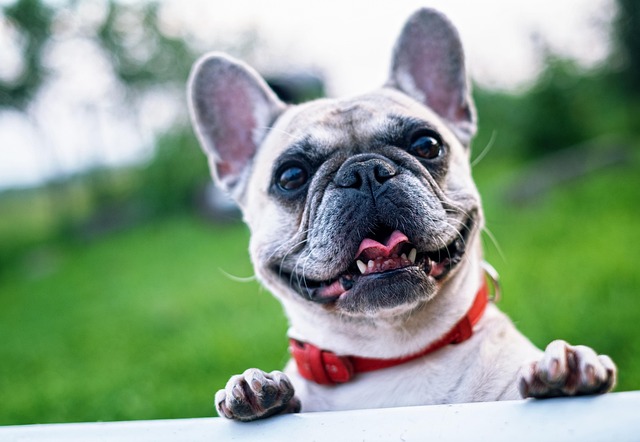
Most dog owners notice their pup scooting across the carpet at some point, but few connect it to impacted anal glands. These small sacs near a dog’s rectum secrete a scent for marking territory

Most vets agree that regular dog teeth cleaning is key to avoiding painful dental issues later. For healthy adult dogs, a professional cleaning at the vet’s office every 12 to 18 months usually works well.