

How can I tell if my dog's heatstroke is serious
Let’s be real: It’s a sticky August morning in Los Angeles, and you took your 2-year-old Golden Retriever, Max, for a walk a little later than usual
For German Shepherd owners in Europe and North America, a suddenly picky pup can spark major worry. Let’s break down the common causes, legal musts, and vet-approved solutions—no fluff, just practical advice to get your canine companion eating again.
First, why appetite loss matters in GSDs. These active working dogs need robust nutrition to support their muscular build and high energy. The American Kennel Club (AKC) warns that prolonged anorexia in German Shepherds can lead to muscle wasting, weakened immune function, or even organ damage. Plus, their breed-specific health risks (hello, bloat!) make timely action crucial.
Legal landscapes add urgency. In Germany, the Tierschutzgesetz mandates "immediate veterinary care" for sick animals—neglecting a loss of appetite can result in fines up to €25,000. The UK’s Animal Welfare Act 2006 similarly requires owners to address health issues promptly, with RSPCA guidelines listing anorexia as a "red flag" for urgent care. In the U.S., states like California consider neglecting medical needs a misdemeanor.
Medical causes top the list. Dental issues are a common culprit; a Berlin vet told me about a GSD who stopped eating due to a cracked molar. Other possibilities: gastrointestinal infections, kidney disease, or even cancer. I remember a Denver owner whose GSD refused food—turns out she had pancreatitis, which required immediate treatment. Always start with a vet check; blood work and imaging often reveal hidden issues.

Dietary factors play a role. German Shepherds can be sensitive to food changes. A Munich trainer shared how switching her GSD from kibble to raw too quickly caused stomach upset. The WSAVA recommends transitioning diets over 7-10 days, mixing old and new food gradually. Some GSDs also develop allergies; a LA vet noticed many cases linked to chicken or grain ingredients.
Environmental stress is another trigger. Moving homes, new family members, or even loud construction can spook a GSD. A Parisian owner saw her GSD stop eating when a neighbor’s dog started barking daily—creating a quiet eating space helped. Remember, these dogs thrive on routine; sudden schedule shifts can affect appetite.
Breed-specific considerations. GSDs are prone to "bloat" (GDV), where the stomach twists, causing severe pain and loss of appetite. Symptoms like restlessness or dry heaving need emergency care. A Toronto vet stressed, "If your GSD refuses food and is pacing, get to an emergency clinic immediately—it could be life-threatening."
Common mistakes to avoid: force-feeding or self-medicating. I met a Seattle owner who tried giving their GSD human antacids, worsening the issue. Experts at the Royal Veterinary College warn that over-the-counter meds can interact dangerously with canine physiology.
Alternative approaches for sensitive eaters. Some European vets recommend warming kibble with low-sodium chicken broth (no onions!) to enhance aroma. A Berlin naturopath suggests adding pumpkin puree for fiber or probiotics to aid digestion. Just ensure any additions align with your vet’s advice.
Behavioral tricks can help too. In Scandinavia, many owners use "food puzzles" to stimulate a GSD’s mind while eating. A Swedish shepherd owner told me, "My GSD loves solving a Kong filled with wet food—it turns mealtime into a game." Positive reinforcement (no scolding!) also reduces eating stress.
Signs it’s time for emergency care: appetite loss lasting over 24 hours, vomiting, diarrhea, or weight loss. A Vancouver GSD owner waited too long—her pup’s anorexia was due to a blocked intestine, requiring surgery. Trust your gut; if something feels off, call your vet.
The bottom line? For German Shepherds, losing appetite is never "just a phase." From legal obligations to breed-specific risks, prompt action is non-negotiable. Start with a vet exam, rule out medical issues, then adjust diet and environment as needed. Our loyal working dogs deserve more than a full bowl—they need a proactive owner who treats appetite changes as the warning sign they are.
Let’s be real: It’s a sticky August morning in Los Angeles, and you took your 2-year-old Golden Retriever, Max, for a walk a little later than usual
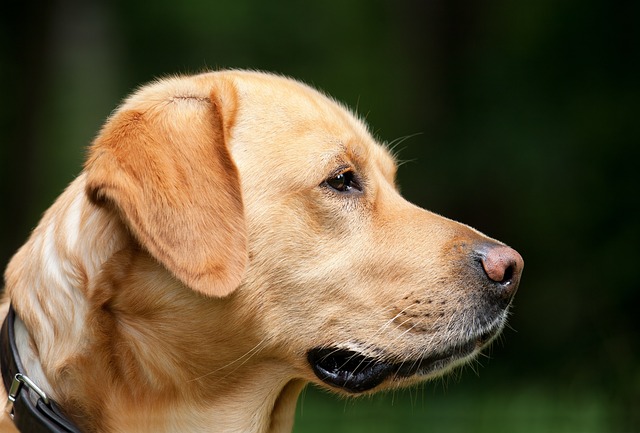
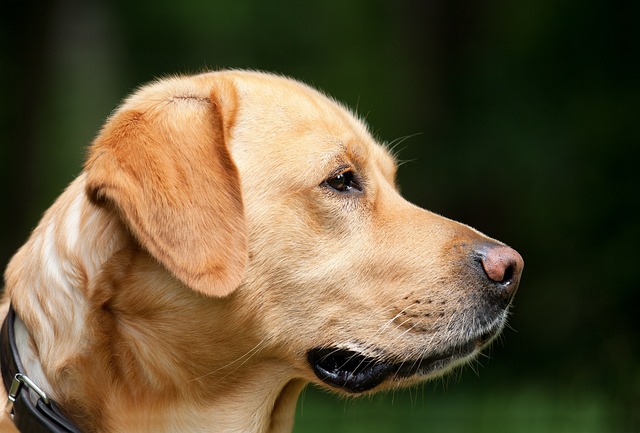
You're enjoying a summer afternoon at the park when you notice your dog has stopped panting and appears disoriented - their gums are bright red
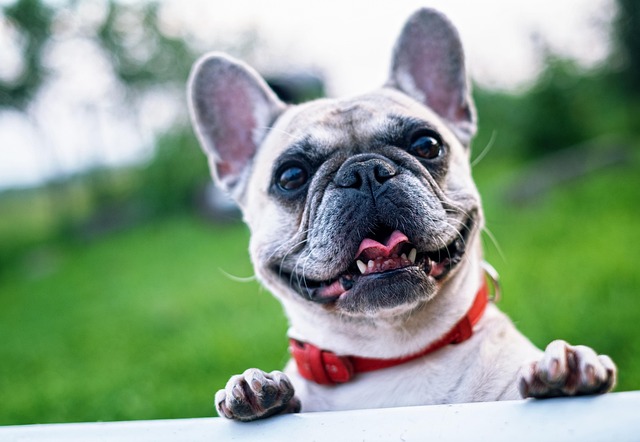
Let’s paint the picture: You’re in your Denver apartment, watching your 4-year-old Boston Terrier, Ruby, plop down mid-play session with her favorite toy

Many dog owners notice their pets nails seem shorter after regular walks,but how much does this daily activity actually help?The answer depends on where you walk—concrete sidewalks or asphalt streets gently file nails as a dog's paws hit the ground
Most dog owners notice their pup scooting across the carpet at some point, but few connect it to impacted anal glands. These small sacs near a dog’s rectum secrete a scent for marking territory
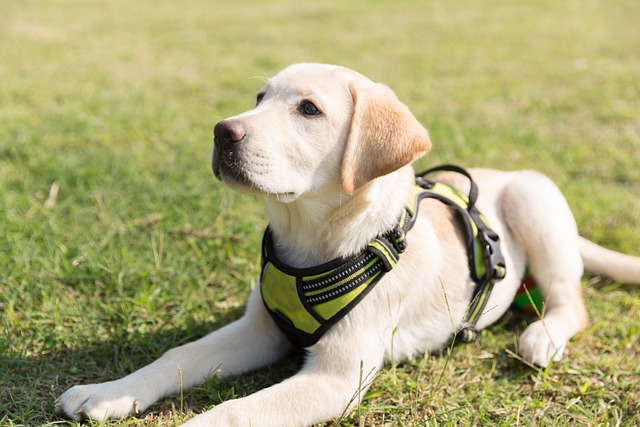
Most vets agree that regular dog teeth cleaning is key to avoiding painful dental issues later. For healthy adult dogs, a professional cleaning at the vet’s office every 12 to 18 months usually works well.