

How can I tell if my dog's heatstroke is serious
Let’s be real: It’s a sticky August morning in Los Angeles, and you took your 2-year-old Golden Retriever, Max, for a walk a little later than usual
Dogs are the warmest companions in our lives, and their presence adds endless joy and warmth to our days. However, when a dog suffers from esophagitis, the heartache it brings grips our hearts tightly. Watching them in pain while eating, we owners wish we could take the suffering for them. In this battle against the disease, making the right dietary choices is undoubtedly a powerful weapon to help dogs overcome the illness.
Esophagitis makes the esophageal mucosa of dogs fragile and sensitive, and the process of swallowing food is filled with pain. Therefore, the texture of the food is the key factor to be considered first. Soft and easily swallowable foods are like opening up a smooth "eating passage" for dogs. Baby rice cereal, with its fine texture that melts in the mouth, doesn't require the dog to chew hard. It can slide down the esophagus easily, reducing the burden on the esophagus. Pasty canned foods are also a good choice. For example, the wet food cans specially designed for sick pets are rich in various nutrients and have a soft texture, allowing dogs to enjoy them without any pressure. I still remember when my dog was sick. Every time I saw its distressed expression due to difficulty swallowing, my heart would ache. But when I offered the mixed baby rice cereal to its mouth and watched it eat it slowly, at that moment, my worried heart eased a little.
The temperature of the food is equally crucial for dogs with esophagitis. Food that is too hot can scald the already inflamed esophageal mucosa and exacerbate the inflammation; food that is too cold may cause esophageal spasms, making the dog feel even more uncomfortable. Precisely controlling the food temperature at around 38°C, which is close to the dog's body temperature, is the most ideal state. Before each feeding, I would, like treating a precious treasure, gently feel the temperature of the food with my hand to ensure that it won't cause additional pain to the dog. When the dog eats food at an appropriate temperature, the look of contentment on its face makes me feel that all the careful preparations are worthwhile.
Low-fat and easily digestible foods are an important part of the diet for dogs with esophagitis. High-fat foods require a longer digestion process, which will increase the burden on the stomach and intestines. Since the stomach and intestines are closely connected to the esophagus, it will indirectly affect the recovery of the esophagus. White meats such as chicken and fish not only contain high-quality protein, which is helpful for the dog's body to recover, but also have a low fat content and are easily digested and absorbed. After steaming or boiling the chicken and fish, make them into fine meat purees or minced meats, which are easier for dogs to eat. Paired with vegetables rich in dietary fiber, such as pumpkins and carrots, it is simply a perfect combination of nutrition and health. Pumpkins are rich in pectin, which can protect the gastrointestinal mucosa; carrots are rich in carotene and various vitamins, which are of great benefit to the dog's body recovery. Cook these vegetables and puree them, then mix them with the minced meat. This can not only enrich the taste but also provide comprehensive nutrition. Watching the dog gobble up these carefully prepared foods, we are full of anticipation that they will recover soon and become lively again.
When choosing ingredients, it is advisable to consider some foods with special effects. Oatmeal is a standout among them. It is rich in β-glucan, a substance with the magical effects of anti-inflammation and mucosal protection, which can effectively relieve the inflammation of the esophagus. Cook the oatmeal into a soft and mushy oatmeal porridge and use it as one of the dog's staple foods, which is both nutritious and delicious. In addition, pet-specific nutritional pastes are also good supplements. These nutritional pastes are rich in various vitamins and minerals, which can quickly supplement the nutrients needed by the dog's body. Moreover, they are easily absorbed and won't put too much pressure on the esophagus. When the dog is weak and has a poor appetite, the nutritional paste is like a timely rain, providing them with the necessary energy support.
In terms of the feeding frequency, feeding small meals frequently is the best choice. Eating too much at one time will put a huge pressure on the esophagus, which is not conducive to the recovery of the condition. Feed the dog 4 to 6 times a day and control the amount of food each time. This can not only ensure that the dog intakes enough nutrients but also allow the esophagus to have sufficient rest. Every time I feed the dog, I will patiently stay by its side and carefully observe its eating situation. If the dog stops after eating a few bites, I will never force it. Instead, I will wait for it to rest for a while and then try again after it adjusts its state. Because I know that the dog is suffering from the illness, and we need to give it more understanding and patience.
In addition to the food itself, the feeding method cannot be ignored. Letting the dog eat in a semi-sitting or semi-lying position can slow down the speed of food passing through the esophagus and reduce the irritation to the esophagus. Avoid letting the dog eat while standing or lying on its stomach to prevent the food from impacting the esophagus quickly due to the force of gravity. After feeding, don't let the dog exercise immediately. Let it rest quietly for a period of time to avoid food regurgitation. Every detail is related to the dog's recovery, and we can't afford to be the slightest bit careless.
Taking care of a dog with esophagitis is a long-lasting battle full of love and responsibility. Every time we carefully prepare the food and every time we patiently feed the dog, it reflects our deep love for the dog. Although dogs can't express their pain verbally, their trusting eyes make us understand that we are their strongest support. Let's accompany the dog through this difficult time with love and patience, and look forward to its early recovery so that it can continue to accompany us through every beautiful moment in the future.
Let’s be real: It’s a sticky August morning in Los Angeles, and you took your 2-year-old Golden Retriever, Max, for a walk a little later than usual
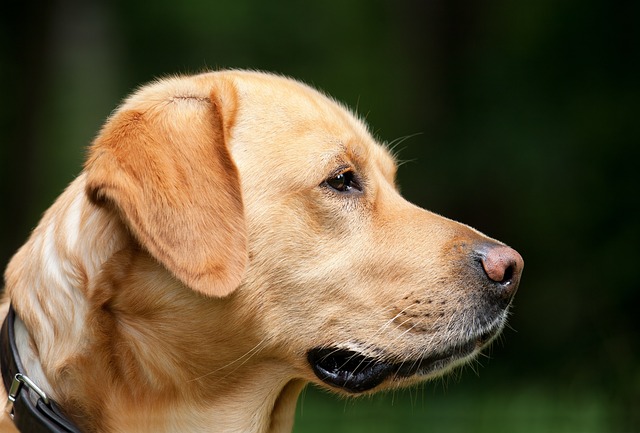
You're enjoying a summer afternoon at the park when you notice your dog has stopped panting and appears disoriented - their gums are bright red
Let’s paint the picture: You’re in your Denver apartment, watching your 4-year-old Boston Terrier, Ruby, plop down mid-play session with her favorite toy

Many dog owners notice their pets nails seem shorter after regular walks,but how much does this daily activity actually help?The answer depends on where you walk—concrete sidewalks or asphalt streets gently file nails as a dog's paws hit the ground
Most dog owners notice their pup scooting across the carpet at some point, but few connect it to impacted anal glands. These small sacs near a dog’s rectum secrete a scent for marking territory

Most vets agree that regular dog teeth cleaning is key to avoiding painful dental issues later. For healthy adult dogs, a professional cleaning at the vet’s office every 12 to 18 months usually works well.