

How can I tell if my dog's heatstroke is serious
Let’s be real: It’s a sticky August morning in Los Angeles, and you took your 2-year-old Golden Retriever, Max, for a walk a little later than usual
Walking into any pet store in America, you're immediately overwhelmed by walls of colorful toys promising to be your dog's new favorite. But here's what most dog owners discover after countless purchases: that expensive squeaky hamburger gathering dust in the corner while your pup happily demolishes your favorite sneaker. The truth is, understanding what toys dogs love the most isn't about the flashiest marketing or cutest design—it's about tapping into their deepest instincts and behavioral needs.
After working with hundreds of American dog owners over the past decade, I've noticed a fascinating pattern. The toys that truly captivate our canine companions aren't necessarily the ones we think they'll love. Instead, the toys that dogs genuinely adore are those that satisfy their primal drives: the need to chew, hunt, problem-solve, and yes, even destroy things in a controlled way.
Most pet parents fall into the same trap when selecting toys. They gravitate toward traditional tennis balls, rope toys, or squeaky plushies—the classics that have dominated pet store shelves for decades. While these certainly have their place, they often fail to provide the deep, sustained engagement that modern dogs desperately need.
Think about it this way: your dog's ancestors spent their days hunting, foraging, and solving complex problems to survive. Today's house dogs still carry those same instincts, but we've given them a tennis ball and expected them to be satisfied. It's like offering a crossword puzzle enthusiast a single word search and wondering why they're still restless.
Traditional fetch toys typically engage dogs for brief bursts of physical activity, but they rarely challenge the mind. A tennis ball might provide fifteen minutes of running, but once your dog brings it back a few times, the novelty wears off. Even squeaky toys, while initially exciting, lose their appeal once dogs figure out the simple cause-and-effect relationship.
Recent research in canine behavior has revealed something remarkable about how dogs interact with their environment. Dr. Sarah Wilson from the University of Pennsylvania's veterinary behavioral program found that dogs show significantly longer engagement periods with toys that provide variable rewards and require problem-solving skills. This isn't just academic theory—it's backed by measurable changes in cortisol levels and behavioral observations.
Interactive dog toys for American dogs have evolved to meet these psychological needs. These aren't just upgraded versions of old favorites; they're completely different approaches to canine entertainment. Puzzle feeders, for instance, transform mealtime into a hunting expedition. Instead of gulping down food in thirty seconds, dogs spend twenty to thirty minutes working for each piece of kibble, engaging the same mental pathways their ancestors used when tracking prey.
The science behind chew-resistant dog toys benefits goes even deeper. Chewing releases endorphins in dogs—it's literally a natural stress reliever and mood booster. But not all chewing is created equal. Destructive chewing on furniture or shoes often stems from anxiety or boredom, while purposeful chewing on appropriate toys serves a therapeutic function.
What makes certain toys irresistible to dogs lies in their unpredictability and texture variety. The best interactive toys incorporate multiple sensory experiences: different textures, varying resistance levels, and hidden rewards that appear at irregular intervals. This variability keeps dogs guessing and engaged for extended periods.
Among the standout favorites in American households, KONG Classic toys consistently rank highest in both veterinary recommendations and owner satisfaction surveys. What makes them so beloved isn't just their durability—it's their versatility. Stuff one with peanut butter, freeze it overnight, and you've created a challenging puzzle that can occupy even the most energetic dogs for an hour or more.
Nina Ottosson puzzle toys represent another category that dogs absolutely adore. These Swedish-designed interactive feeders require dogs to slide panels, lift flaps, or manipulate pieces to access treats. I've watched countless dogs become completely absorbed in these challenges, their tails wagging with genuine excitement as they work through each level of difficulty.
For aggressive chewers—and American dogs seem particularly fond of intensive chewing—antler chews and specially designed nylon bones provide the resistance they crave without the splinters or digestive risks of traditional rawhide. These durable options satisfy the deep-seated need to gnaw while lasting weeks or even months under regular use.
Rope toys with hidden treat compartments have also gained tremendous popularity among American pet owners. Unlike simple rope toys that dogs quickly unravel, these hybrid designs combine the satisfying texture of rope with the mental challenge of extracting hidden rewards.
The transformative power of choosing appropriate toys extends far beyond simple entertainment. Owners consistently report dramatic reductions in destructive behaviors when they introduce best dog toys for mental stimulation into their pets' daily routines. One client, Maria from Denver, told me her Golden Retriever stopped chewing furniture legs entirely after she started rotating challenging puzzle toys throughout the week.
Mental stimulation through toys provides what trainers call "calm tiredness"—the deep satisfaction that comes from meaningful work rather than just physical exertion. A dog who's spent thirty minutes working through a puzzle feeder will settle into rest more completely than one who's simply run around the yard for the same duration.
Durable dog toys for aggressive chewers also serve important dental health functions. The mechanical action of chewing on appropriate surfaces helps remove plaque and tartar, potentially reducing the need for professional dental cleanings. However, it's crucial to choose toys specifically designed for heavy chewing—inappropriate items can damage teeth or create intestinal blockages.
The bond between owners and dogs strengthens significantly when humans become active participants in toy-based activities. Interactive toys create opportunities for shared problem-solving experiences. Watching your dog figure out a new puzzle while you provide gentle encouragement builds mutual trust and communication.
Perhaps most importantly, the right toys provide dogs with a sense of accomplishment and control over their environment. In a world where most decisions are made for them—when to eat, when to go outside, when to sleep—challenging toys offer dogs opportunities to make choices and experience success through their own efforts.
Understanding what toys dogs love the most comes down to recognizing them as intelligent, problem-solving creatures who need mental challenges as much as physical exercise. The happiest dogs are those whose toys engage their natural instincts in positive ways, providing appropriate outlets for chewing, hunting, and exploring.
When selecting your next toy purchase, consider your dog's individual personality and energy level, but remember that virtually all dogs benefit from toys that offer variety, challenge, and durability. The investment in quality interactive and chew-resistant toys pays dividends in reduced destructive behavior, improved mental health, and a deeper, more satisfying relationship with your canine companion. Your dog's enthusiasm for the right toy isn't just entertainment—it's a window into their fundamental need for purposeful, engaging activity that honors their intelligent, curious nature.
Let’s be real: It’s a sticky August morning in Los Angeles, and you took your 2-year-old Golden Retriever, Max, for a walk a little later than usual

You're enjoying a summer afternoon at the park when you notice your dog has stopped panting and appears disoriented - their gums are bright red

Let’s paint the picture: You’re in your Denver apartment, watching your 4-year-old Boston Terrier, Ruby, plop down mid-play session with her favorite toy

Many dog owners notice their pets nails seem shorter after regular walks,but how much does this daily activity actually help?The answer depends on where you walk—concrete sidewalks or asphalt streets gently file nails as a dog's paws hit the ground
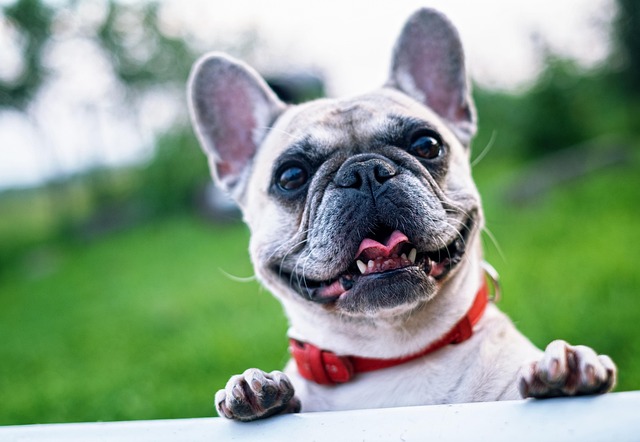
Most dog owners notice their pup scooting across the carpet at some point, but few connect it to impacted anal glands. These small sacs near a dog’s rectum secrete a scent for marking territory
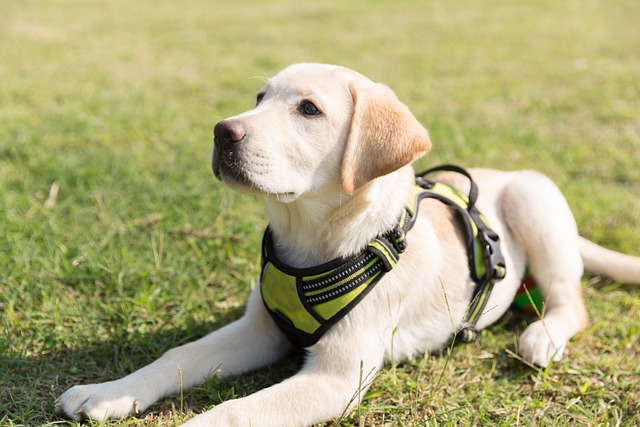
Most vets agree that regular dog teeth cleaning is key to avoiding painful dental issues later. For healthy adult dogs, a professional cleaning at the vet’s office every 12 to 18 months usually works well.