

How can I tell if my dog's heatstroke is serious
Let’s be real: It’s a sticky August morning in Los Angeles, and you took your 2-year-old Golden Retriever, Max, for a walk a little later than usual
Picture your Beagle happily gnawing on a squeaky toy after breakfast, only to greet you with breath that could wilt your houseplants. That telltale odor often signals plaque buildup, which can lead to painful gum disease and even heart issues if ignored. While veggies aren’t magic erasers, certain crunchy options act like nature’s toothbrushes. Before experimenting, schedule a vet check—combine it with Buddy’s legally required rabies vaccine renewal (mandatory in states like Texas) to rule out hidden dental problems.
Scientifically, fibrous vegetables clean teeth through mechanical abrasion. Imagine your dog crunching a raw carrot stick—its rough texture scrapes plaque off molars as they chew. Celery ribs act like dental floss, dislodging food particles between teeth. Green beans offer a satisfying snap that stimulates saliva, which naturally neutralizes bacteria. Even broccoli florets (in tiny amounts!) provide texture. But avoid onions, garlic, and grapes—these are toxic. Always serve veggies raw and chopped to prevent choking, and supervise closely. Remember, these are supplements, not replacements for vet cleanings or brushing.

Integrate tooth-friendly veggies smartly. Start small: dice a baby carrot into pea-sized pieces and mix it into Buddy’s dinner. Post-meal, offer a chilled celery stick—many dogs love the crunch on a warm Atlanta afternoon. Use these moments for positive reinforcement: when he gently takes veggies from your hand, reward him with praise. If he spits it out, try lightly steaming broccoli for a softer texture. Apartment dwellers, place a silicone mat under his veggie "chew station" to catch crumbs and avoid sticky floors in shared spaces. Store prepped veggies in airtight containers labeled "Buddy’s Snacks" to prevent fridge conflicts with roommate food.
Responsible dental care extends to community habits. After Buddy enjoys his carrot, leash him for a potty break—always carry compostable bags (required in cities like San Francisco) and scoop immediately, especially in apartment courtyards. If he guards veggies, trade for a treat instead of scolding, aligning with force-free training standards. Choose daytime veggie sessions to avoid noisy midnight crunching in thin-walled apartments. Seeing your dog happily munch celery while you responsibly manage cleanup reflects modern pet ownership at its best.
Monitor his gums monthly (pink = healthy; red = vet visit). For lasting results, pair vegetable dog dental chews with professional care. A carrot a day keeps the vet’s drill away—well, mostly!
Let’s be real: It’s a sticky August morning in Los Angeles, and you took your 2-year-old Golden Retriever, Max, for a walk a little later than usual

You're enjoying a summer afternoon at the park when you notice your dog has stopped panting and appears disoriented - their gums are bright red

Let’s paint the picture: You’re in your Denver apartment, watching your 4-year-old Boston Terrier, Ruby, plop down mid-play session with her favorite toy

Many dog owners notice their pets nails seem shorter after regular walks,but how much does this daily activity actually help?The answer depends on where you walk—concrete sidewalks or asphalt streets gently file nails as a dog's paws hit the ground
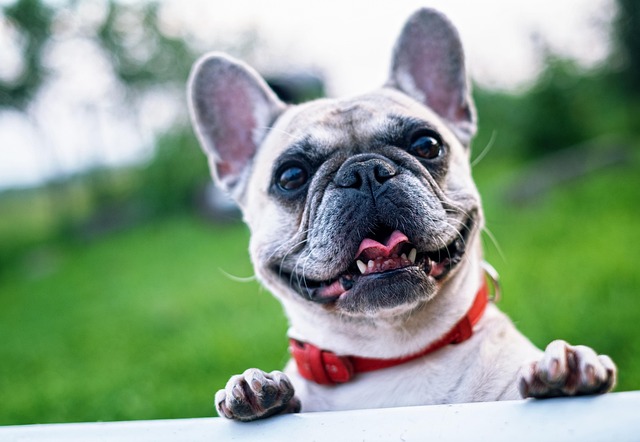
Most dog owners notice their pup scooting across the carpet at some point, but few connect it to impacted anal glands. These small sacs near a dog’s rectum secrete a scent for marking territory

Most vets agree that regular dog teeth cleaning is key to avoiding painful dental issues later. For healthy adult dogs, a professional cleaning at the vet’s office every 12 to 18 months usually works well.