
How can I tell if my dog's heatstroke is serious
Let’s be real: It’s a sticky August morning in Los Angeles, and you took your 2-year-old Golden Retriever, Max, for a walk a little later than usual
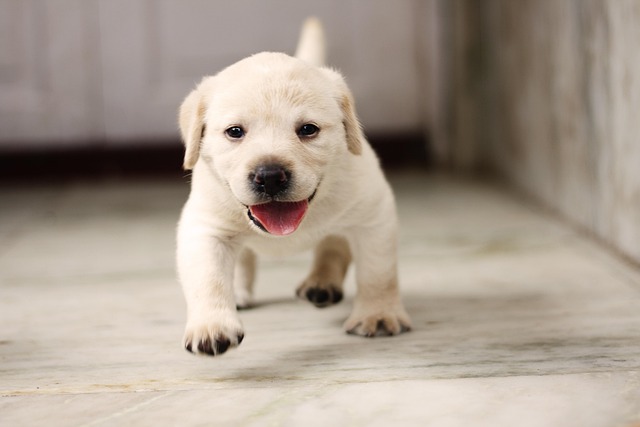
Labrador retrievers are known for their thick, water-resistant coats, but that signature look doesn’t arrive overnight. For new lab puppy owners, watching those soft, fluffy puppy hairs start to shift can be a bit confusing. When exactly does this transition happen? Typically, lab puppies begin losing their puppy coat around 4 to 6 months of age. It’s not a sudden shed—you’ll notice tufts of the lighter, downy fur sticking to your couch, your clothes, and even the corners of their favorite chew toy as the process kicks off.
This coat change is more than just a cosmetic shift. Underneath that puppy fluff, their adult coat is starting to come in—denser, coarser, and better equipped to handle the elements. By 12 to 18 months, most labs will have fully transitioned, though some may take a bit longer, especially if they’re on the larger side. During this period, you might notice patches where the new coat is shorter or darker, which is totally normal.
Grooming becomes key during these months. A rubber curry comb works wonders for loosening dead puppy fur without irritating their skin. Brushing two to three times a week can cut down on the amount of hair floating around your home and help the new coat grow in evenly. It’s also a good time to get them used to regular grooming sessions, which will make life easier when they start blowing their coat seasonally as adults.
 In many European countries and parts of the U.S., proper pet care—including grooming—is part of responsible ownership laws. For example, neglecting to manage excessive shedding that leads to unsanitary conditions could violate local animal welfare regulations. Keeping up with brushing isn’t just about keeping your lab looking neat; it’s a way to check for skin issues, ticks, or fleas that might hide under all that fur, ensuring you’re meeting legal standards for pet health.
Diet plays a role too. A high-quality food rich in omega-3 fatty acids helps support healthy skin and coat, which can make the transition smoother. Talk to your vet about supplements if you notice dryness or excessive shedding, as nutritional gaps can slow down the process. Remember, every lab is different—some will sail through the coat change with minimal fuss, while others might need a little extra care.
By the time your lab reaches adulthood, you’ll be used to their twice-yearly heavy sheds, often in spring and fall. But those early months of losing their puppy coat are a milestone, a sign that your little ball of fluff is growing up. Embrace the extra vacuuming, the grooming sessions that turn into cuddles, and the way their new coat shines in the sun. It’s all part of watching your lab become the sturdy, loyal companion they’re meant to be.
Let’s be real: It’s a sticky August morning in Los Angeles, and you took your 2-year-old Golden Retriever, Max, for a walk a little later than usual
You're enjoying a summer afternoon at the park when you notice your dog has stopped panting and appears disoriented - their gums are bright red
Let’s paint the picture: You’re in your Denver apartment, watching your 4-year-old Boston Terrier, Ruby, plop down mid-play session with her favorite toy

Many dog owners notice their pets nails seem shorter after regular walks,but how much does this daily activity actually help?The answer depends on where you walk—concrete sidewalks or asphalt streets gently file nails as a dog's paws hit the ground
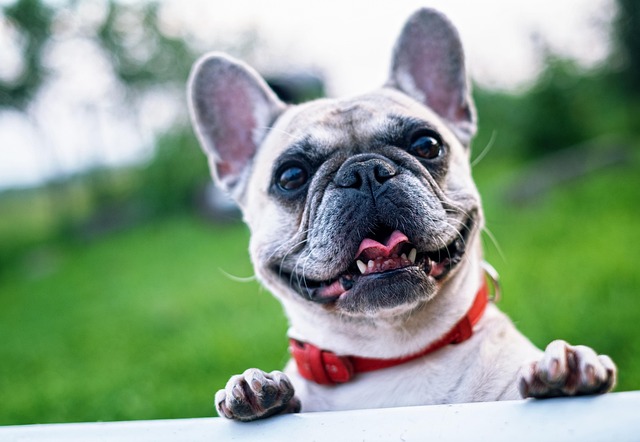
Most dog owners notice their pup scooting across the carpet at some point, but few connect it to impacted anal glands. These small sacs near a dog’s rectum secrete a scent for marking territory

Most vets agree that regular dog teeth cleaning is key to avoiding painful dental issues later. For healthy adult dogs, a professional cleaning at the vet’s office every 12 to 18 months usually works well.