
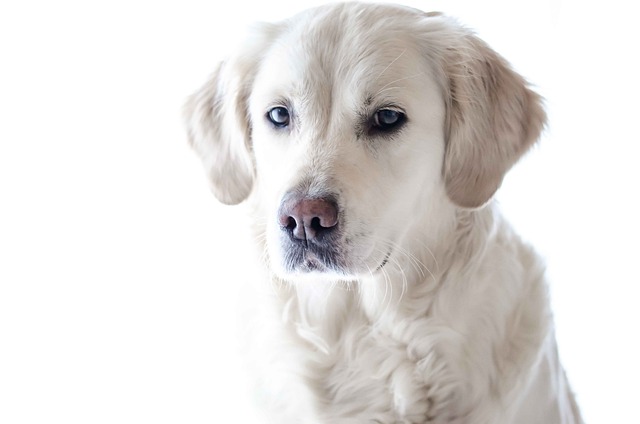
How can I tell if my dog's heatstroke is serious
Let’s be real: It’s a sticky August morning in Los Angeles, and you took your 2-year-old Golden Retriever, Max, for a walk a little later than usual
So, your magnificent Chow Chow companion is leaving tumbleweeds of fur around the house? Welcome to life with this gloriously plush breed! Understanding their shedding cycles isn't just about saving your sofa; it's key to keeping them comfortable, healthy, and looking their regal best. Let's unravel the mystery of when those thick coats decide to let go, and more importantly, how you can manage it smoothly, respecting their needs and your shared environment.
First off, forget the idea of a single "shedding season" like some breeds. Chow Chows are blessed (or cursed, depending on your vacuum cleaner's perspective) with a double coat. That dense, woolly undercoat is their insulation, protected by a harsher outer guard coat. This double-layered marvel means they experience significant blowing coat – a dramatic release of that undercoat – typically twice a year. Think of it as a major wardrobe change for the weather.
Spring's Grand Exit: As winter loosens its grip and temperatures begin to climb, your Chow starts preparing for warmer days. Usually starting in late spring or early summer, they'll shed that heavy winter undercoat in earnest. This isn't subtle; expect clouds of soft, downy fur coming out in clumps, especially around the neck, hindquarters, and tail. It's nature's air conditioning system kicking in.
Fall's Winter Prep: Just as predictably, as the days shorten and a chill returns to the air (think late fall or early winter), the process reverses. Your Chow sheds the lighter summer undercoat to make way for a fresh, dense winter layer. This fall shed is often just as intense as the spring one, ensuring they're properly insulated against the cold.
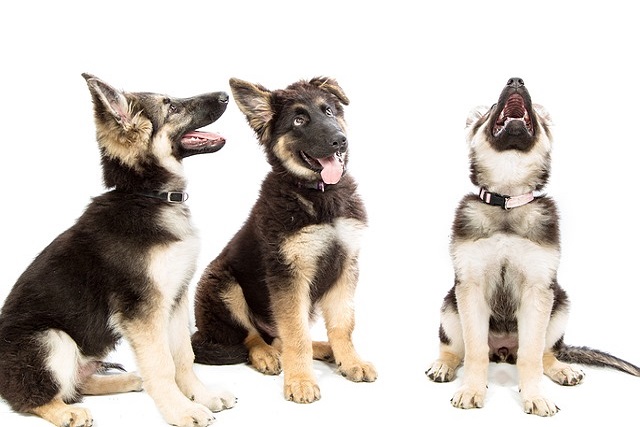
But here's the catch: While those two big blows are the main events, don't expect zero shedding the rest of the year. A low level of year-round shedding is perfectly normal. You'll likely find a few strands on your clothes or furniture consistently. Factors like central heating in winter (confusing their natural cycle), diet, overall health, stress levels, and even hormonal changes can influence this background shedding.
Now, let's talk management, because simply letting that fur fly isn't fair to your dog or your community. Regular, thorough grooming is absolutely non-negotiable for Chow Chow ownership. During the peak blowing coat periods, you'll likely need to brush them daily, or at least every other day. Invest in the right tools: an undercoat rake is your best friend for reaching that dense woolly layer, followed by a slicker brush or pin brush for the outer coat and finishing touches. Bathing can help loosen dead hair during a blowout, but always follow with a complete blow-dry (on cool/low heat) and brush-out – leaving a damp undercoat is a recipe for painful matting and skin problems.
Why is this grooming so crucial beyond fluff control? Matted fur isn't just unsightly; it's painful and dangerous. Tight mats pull on the skin, restrict movement, trap moisture and debris leading to hot spots and infections, and impair temperature regulation. In many parts of Europe and North America, allowing a dog to become severely matted can be considered neglect under animal welfare legislation. Regular grooming is a fundamental aspect of responsible ownership for this breed. Keeping public spaces fur-free is also part of being a good neighbour – always clean up loose fur after outdoor grooming sessions, respecting local ordinances.
Beyond the brush: While grooming is paramount, supporting their coat health from the inside matters too. Ensure they are on a high-quality diet rich in essential fatty acids (like Omega-3 and Omega-6), which promote skin health and a resilient coat. Always provide plenty of fresh water, especially important for skin hydration. Regular veterinary check-ups are vital to rule out underlying health issues (thyroid problems, allergies, parasites) that can cause excessive shedding outside the normal cycles. If your Chow seems itchy, has bald patches, or the shedding seems relentless and unseasonal, consult your vet promptly.
Living with the Fluff: Accept that Chow Chow fur will become part of your home's ecosystem! A powerful vacuum cleaner designed for pet hair is a wise investment. Covering furniture with washable throws makes life easier. Grooming outside (weather permitting) or in an easy-to-clean area like a utility room or bathroom minimizes indoor fur spread. Be patient and gentle during grooming sessions – make it a positive bonding experience with praise and maybe a small, healthy treat afterwards. Remember, they aren't shedding to annoy you; it's just their biology!
Understanding your Chow Chow's shedding rhythm transforms it from a chore into a manageable part of loving this unique, lion-like companion. By committing to consistent grooming, especially during those intense biannual coat blows, you ensure their comfort, prevent serious health issues, and uphold the standards of responsible pet guardianship expected in our communities. Embrace the fluff – with the right tools and routine, you and your magnificent Chow can weather every shedding season with grace (and slightly cleaner floors).
Let’s be real: It’s a sticky August morning in Los Angeles, and you took your 2-year-old Golden Retriever, Max, for a walk a little later than usual
You're enjoying a summer afternoon at the park when you notice your dog has stopped panting and appears disoriented - their gums are bright red
Let’s paint the picture: You’re in your Denver apartment, watching your 4-year-old Boston Terrier, Ruby, plop down mid-play session with her favorite toy

Many dog owners notice their pets nails seem shorter after regular walks,but how much does this daily activity actually help?The answer depends on where you walk—concrete sidewalks or asphalt streets gently file nails as a dog's paws hit the ground
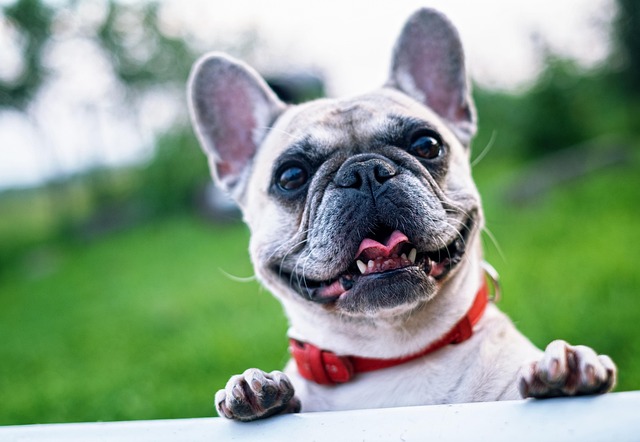
Most dog owners notice their pup scooting across the carpet at some point, but few connect it to impacted anal glands. These small sacs near a dog’s rectum secrete a scent for marking territory

Most vets agree that regular dog teeth cleaning is key to avoiding painful dental issues later. For healthy adult dogs, a professional cleaning at the vet’s office every 12 to 18 months usually works well.