
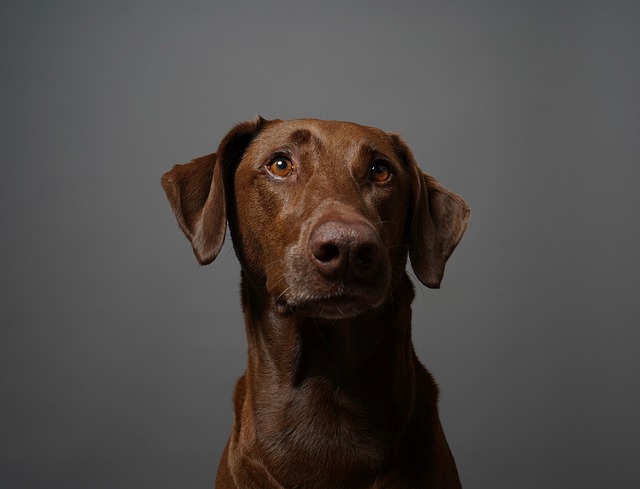
What is glaucoma in a dog?
You might notice your dog squinting more at mealtime or avoiding bright sunlight—these small changes could be early signs of a serious eye condition.
When the furry friend at home droops his ears, his originally cheerful steps become staggering, and even has symptoms of diarrhea and vomiting, every pet owner's heart will be in a knot. Dogs can't speak, they can only use physical discomfort to send out distress signals. As their most trusted guardians, how can we judge when to take them to the vet? This issue is related to life and health, and it cannot be sloppy.
There are many reasons for dog diarrhea and vomiting. Some cases can be observed and cared for at home, while others must be treated in time. Improper diet is one of the most common causes. Sudden changes in dog food, eating too much greasy food, and accidentally eating spoiled or toxic items may irritate the stomach and intestines and cause discomfort. When a dog vomits and has diarrhea because of greed for leftovers in the trash can, the owner is angry and distressed, and wishes that the dog could learn to take care of itself. Infectious factors should not be ignored either. Bacteria, viruses, and parasites invade the intestines, such as parvovirus and coronavirus, which will not only cause dogs to suffer severe pain, but may also endanger their lives. In addition, some potential diseases, such as gastroenteritis, pancreatitis, liver disease, etc., will also send out "distress signals" through diarrhea and vomiting. These invisible threats, like enemies hidden in the dark, keep the owner on edge.
When a dog has diarrhea and vomiting symptoms, observing its overall condition is the first step to determine whether it needs medical treatment. If the dog only vomits once in a while, the diarrhea is mild, the mental state is good, it is still interested in toys and food, and there are no other abnormal behaviors, it may be possible to observe at home first. At this time, the owner will temporarily breathe a sigh of relief, but still dare not slack off, and always pay attention to the dog's every move. However, once the dog becomes listless and loses appetite, the originally lively eyes become dull, and the tail no longer shakes happily, it is like a danger signal light, reminding the owner not to take it lightly.
 Continuous diarrhea and vomiting are even more dangerous signals that cannot be ignored. If a dog has diarrhea several times within 12 hours, the feces are watery, even with blood and mucus, and it vomits frequently and cannot eat or drink normally, this indicates that the dog's stomach and intestines may be seriously damaged and must be taken to the veterinarian immediately. Seeing the dog lying on the ground weakly due to dehydration, the owner is anxious and wants to take it to the hospital for treatment immediately. In addition, when the dog has diarrhea and vomiting, accompanied by fever, body temperature exceeding the normal range (the normal body temperature of a dog is generally 38℃ - 39℃), or abdominal pain, manifested as arched back, not allowing the abdomen to be touched, etc. it should also seek medical attention as soon as possible. Behind these symptoms, there may be more serious diseases, and every second of delay may cause the dog to suffer more pain.
For puppies and elderly dogs, diarrhea and vomiting should be treated with caution. The immune system of puppies is not fully developed, and the resistance is weak. After being infected with viruses or bacteria, the disease progresses rapidly. When the puppy whimpers weakly due to diarrhea and vomiting, and the small body trembles, the owner's heart is broken and he just wants to do his best to protect it. As the body functions of elderly dogs decline, they are more likely to suffer from potential diseases, and diarrhea and vomiting may be manifestations of other serious diseases.
In addition, if the dog tries to feed a small amount of easily digestible food, such as white rice porridge and chicken breast, after diarrhea and vomiting, but still continues to vomit and cannot absorb nutrients, this also means that the situation is not optimistic and requires diagnosis and treatment by a professional veterinarian.
When a dog has diarrhea and vomiting, judging when to seek medical treatment is a race against time, and it is also the owner's responsibility and commitment to the health of the dog. From the anxiety when discovering abnormalities, to the uneasiness during the observation process, to the determination to decisively send the dog to the doctor, every decision comes from the deep love for the dog. When we see the dog gradually regaining vitality under the treatment of the veterinarian and wagging its tail happily again, the joy and peace of mind of relief make us understand more clearly that timely medical treatment is not only to save lives, but also to continue the warm and precious companionship between us and the fur children.
You might notice your dog squinting more at mealtime or avoiding bright sunlight—these small changes could be early signs of a serious eye condition.

Let’s set the scene: It’s a sweltering Phoenix afternoon—105°F outside—and you rushed your 2-year-old Lab mix, Cooper, on a quick walk to “get it over with.”

Let’s get real: You’re in your Miami apartment, watching your 3-year-old Corgi, Loki, struggle to climb the stairs to your second-floor unit.

Many dog owners brush off occasional scratching as just “dog behavior,” but persistent itching often signals something more—like a food allergy.

You might first notice your dog scratching more than usual—chewing at their paws until the fur looks thin, or rubbing their face against the couch nonstop.

Let’s be real: You’re standing in your Chicago apartment, watching your 3-year-old Beagle, Max, huff and puff just to climb onto the couch.