

How do i train my dog to be obedient?
Watching your dog dart across the park ignoring your calls isn’t just frustrating—it can put them at risk near busy streets or public spaces.
If you’ve brought home a wiggly 8-week-old puppy and wondered, “When do I start teaching them not to chew my shoes?” you’re in good company. New dog owners across the U.S. often stress over training timing, but the answer is simpler than you might think: The earlier, the better—with a few key considerations.
Puppies have a critical socialization window between 3 and 14 weeks old, when their brains are like sponges, soaking up new experiences. This is when they learn to interact with other dogs, people, and environments without fear. A trainer in California explained, “I see puppies who start at 10 weeks versus 6 months—those early starters are calmer, less reactive, and faster to learn commands.” Most classes accept puppies once they’ve had their first round of vaccinations (usually around 8-10 weeks), to keep them safe from diseases in group settings.
But wait—what if your puppy is still getting vaccines? Many trainers offer “puppy socials” for unvaccinated pups in controlled, sanitized spaces. These short, 30-minute sessions let them meet other puppies without the risk of exposure, which is huge for building confidence. A friend in New York took her 9-week-old Lab to one: “He was shy at first, but by the end, he was wrestling with a Golden Retriever puppy. Now he loves the dog park!”
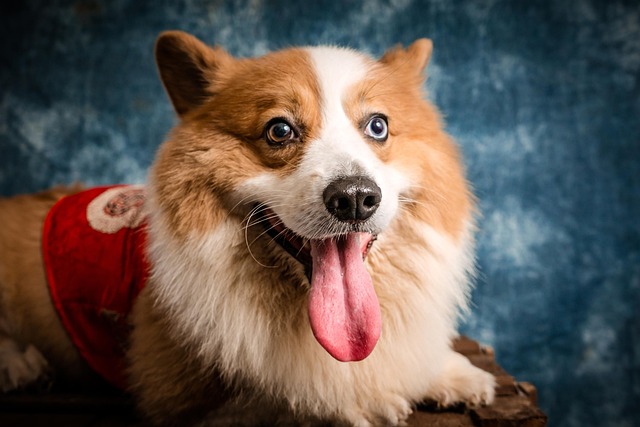
Basic obedience classes typically start around 12-16 weeks, once puppies have more vaccines. These focus on commands like “sit,” “stay,” and “come,” plus leash skills—vital for walks in busy cities like Chicago or Miami. Look for classes labeled “positive reinforcement” or “reward-based”—these use treats and praise, never punishment, which aligns with U.S. animal welfare standards. Avoid trainers who use shock collars or yelling—studies show kindness builds better behavior.
Practical tips for timing: Sign up for classes 2-3 weeks in advance, as popular ones fill up fast. Schedule sessions when your puppy is alert—not right after a nap or meal. If you live in an apartment, start at-home prep: Practice “sit” before meals, and reward with tiny treats (like freeze-dried chicken). This makes class easier, as they’ll already know basic concepts.
Culturally, training is seen as a bond-building activity, not a chore. American trainers emphasize that classes aren’t just for teaching commands—they help puppies learn to focus on you amid distractions, which is key for safety (like stopping at a busy street). Never compare your puppy to others in class—each learns at their own pace, and progress, not perfection, is the goal.
Compliance checks: While training isn’t legally required, keeping up with puppy vaccines (distemper, parvovirus, rabies) is mandatory. Most classes ask for proof of vaccinations to protect all attendees. And once your puppy learns “go potty” on command, remember the golden rule: Always carry poop bags. Cities like Seattle fine up to $75 for forgetting, even for tiny puppies.
In short, start socialization early (8-10 weeks) and obedience classes around 12 weeks. With consistency and kindness, you’ll have a well-behaved, happy adult dog in no time.
Watching your dog dart across the park ignoring your calls isn’t just frustrating—it can put them at risk near busy streets or public spaces.

New puppy owners often find themselves rushing to clean up accidents before they set in, and that’s where puppy pad training becomes a game-changer.
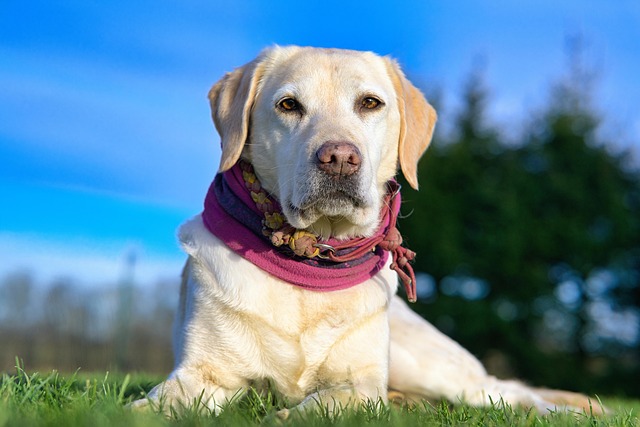
If you've noticed your dog's waistline disappearing and your veterinarian has mentioned those few extra pounds, your first instinct might be to simply reduce the amount of food in their bowl.

Training a dog to use a designated spot indoors isn’t as daunting as many new owners fear, but it does take consistency and an understanding of your pet’s needs.
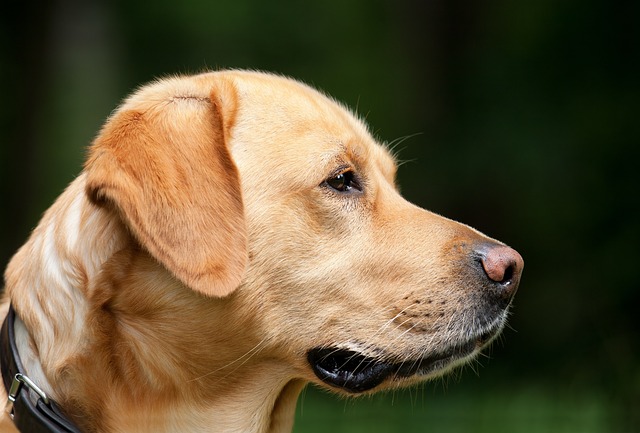
That moment of dread on a walk is all too familiar for many new dog owners. You see another dog approaching down the sidewalk of your neighborhood
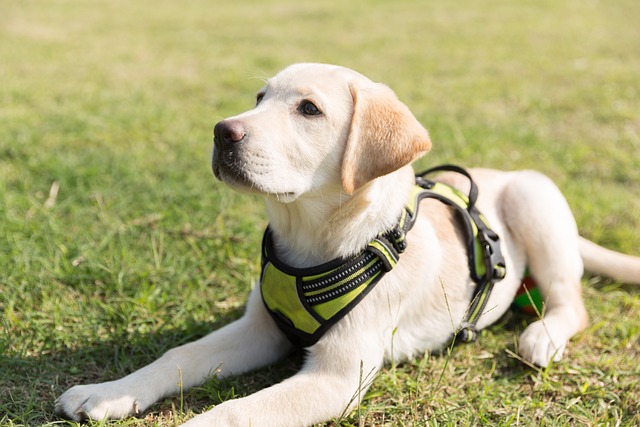
If the sight of another dog on your neighborhood walk makes your heart sink as your own dog erupts into a frenzy of barking and lunging, you're not alone.