

How can I tell if my dog's heatstroke is serious
Let’s be real: It’s a sticky August morning in Los Angeles, and you took your 2-year-old Golden Retriever, Max, for a walk a little later than usual
Your dog used to race to the door at the sound of the leash, but lately, they drag their paws, tail barely lifting. Or maybe they yelp softly when you lift their hind leg to trim nails—a sound you’ve never heard before. These small, quiet changes might be more than just “slowing down.” They could be signs that your dog needs physical therapy.
After an injury, even a minor one, dogs often develop habits to avoid pain—favoring one leg, hunching their back—that can lead to bigger issues later. A sprained ankle from chasing a squirrel, a torn muscle from jumping off the deck—these aren’t just “wait and see” moments. Physical therapy helps reset their movement, strengthening weak areas so they don’t compensate in ways that cause long-term strain. Vets often recommend it here, not just to heal the injury, but to keep their body balanced.
Arthritis creeps in slowly, especially in breeds prone to joint issues. You might notice them hesitating at the bottom of the stairs, or avoiding the couch they once leaped onto without a thought. It’s not just stiffness—it’s discomfort that makes daily life harder. Physical therapy here uses gentle stretches, underwater treadmills, and targeted exercises to keep joints mobile, reducing pain so they can still enjoy their walks or a lazy afternoon in the sun. It’s about quality, not just quantity of days.
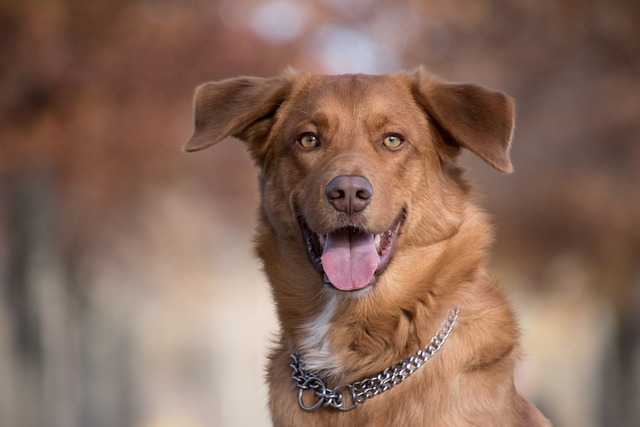 Neurological conditions, like a slipped disc or degenerative myelopathy, can leave dogs wobbly or struggling to control their limbs. It’s scary to watch, but physical therapy focuses on what they can do—building balance with stability exercises, strengthening muscles that support their spine, even teaching them new ways to move that feel safer. Over time, you might see them stand taller, take steadier steps, or even wag their tail more as frustration fades.
Older dogs, even without a specific diagnosis, often benefit too. Their muscles lose tone, their reflexes slow, and simple acts like getting up from the floor become a chore. Physical therapy here is like a tune-up—keeping their body active enough to maintain strength, flexibility, and independence. A few minutes of guided movement each day can mean the difference between a dog that waits by the door for walks and one that stays curled up, too tired to try.
It’s important to check with your vet before starting any physical therapy plan. Every dog’s body is different, and what helps one might hurt another. Many regions require a vet’s assessment to ensure therapy aligns with their health needs, keeping both you and your pup on the right side of local guidelines. A professional can spot subtle issues you might miss, tailoring exercises to your dog’s unique situation.
Those little signs—hesitation, quiet whimpers, a shift in how they move—are your dog’s way of telling you something’s off. Physical therapy isn’t just for “sick” dogs; it’s for any pup struggling to move comfortably. With the right care, you might just see that spark return—the eagerness to play, the spring in their step, the joy in being fully, happily themselves.
Let’s be real: It’s a sticky August morning in Los Angeles, and you took your 2-year-old Golden Retriever, Max, for a walk a little later than usual

You're enjoying a summer afternoon at the park when you notice your dog has stopped panting and appears disoriented - their gums are bright red

Let’s paint the picture: You’re in your Denver apartment, watching your 4-year-old Boston Terrier, Ruby, plop down mid-play session with her favorite toy

Many dog owners notice their pets nails seem shorter after regular walks,but how much does this daily activity actually help?The answer depends on where you walk—concrete sidewalks or asphalt streets gently file nails as a dog's paws hit the ground
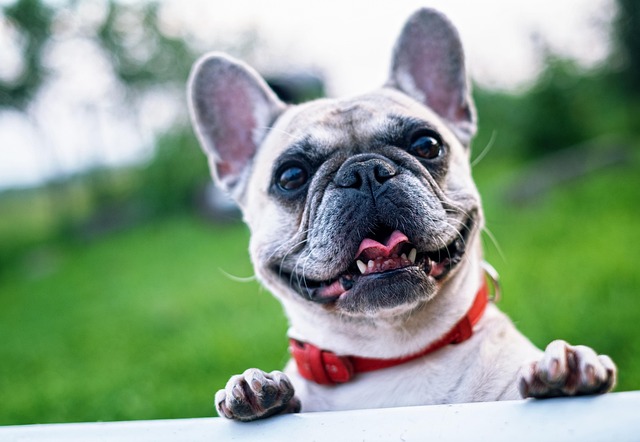
Most dog owners notice their pup scooting across the carpet at some point, but few connect it to impacted anal glands. These small sacs near a dog’s rectum secrete a scent for marking territory
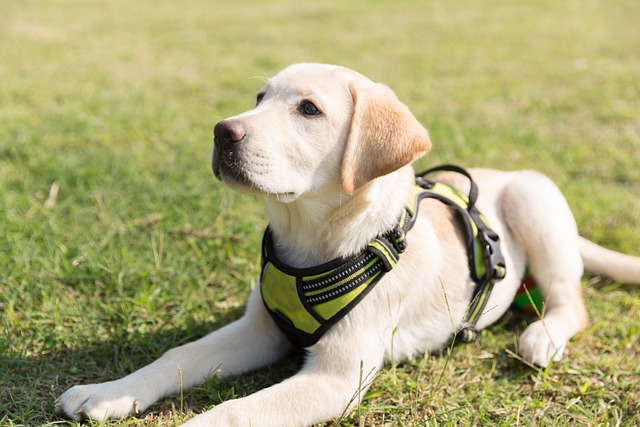
Most vets agree that regular dog teeth cleaning is key to avoiding painful dental issues later. For healthy adult dogs, a professional cleaning at the vet’s office every 12 to 18 months usually works well.